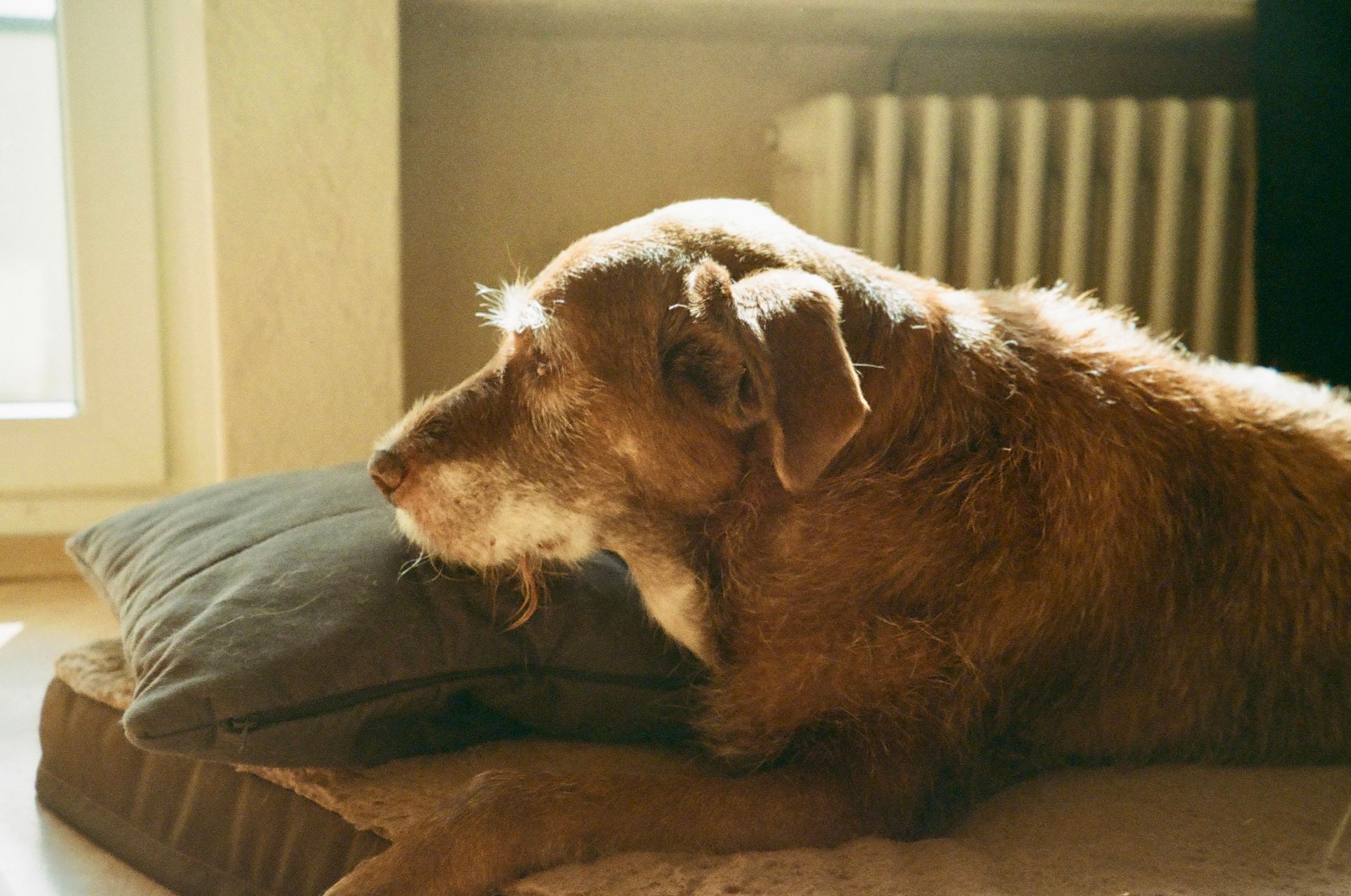
There is no single birthday when every dog suddenly becomes a senior. Unlike humans, dogs age at different rates depending on their size, breed, genetics, lifestyle, and overall health. A small dog may remain active well into its teenage years, while a large breed can show age-related changes much earlier.
The common idea that one dog year equals seven human years is too simplistic. Modern veterinary guidance recognizes that aging is not linear, and the transition into the senior stage depends more on biological changes than a fixed number. Understanding when a dog enters its senior years helps owners adjust nutrition, exercise, preventive care, and expectations.
Dog age categories are based on life stages, not just birthdays
Veterinarians generally describe dogs through several life stages: puppy, young adult, mature adult, senior, and geriatric. The exact timing varies because a Chihuahua and a Great Dane do not age at the same pace. The old assumption that larger dogs simply live shorter lives remains broadly true, although individual variation is significant.
| Dog size | Approximate transition into senior years | Common lifespan range |
|---|---|---|
| Small breeds | Around 10 to 12 years | Often 12 to 16+ years |
| Medium breeds | Around 8 to 10 years | Often 10 to 14 years |
| Large breeds | Around 7 to 8 years | Often 8 to 12 years |
| Giant breeds | Sometimes around 5 to 7 years | Often shorter than smaller breeds |
These ranges are guidelines, not strict rules. A healthy 10-year-old Labrador may have very different needs from a 10-year-old small companion breed.
Signs that your dog is entering the senior stage
Age-related changes often appear gradually. Owners may notice small differences before a dog is officially classified as senior.
- Reduced stamina: Your dog may tire faster during walks or play sessions.
- Changes in mobility: Difficulty climbing stairs, jumping, or standing can indicate joint or muscle changes.
- Changes in sleep patterns: Older dogs often sleep more and may become restless at night.
- Grey hair: Whitening around the muzzle and face is common but does not always indicate poor health.
- Weight changes: Older dogs may gain weight due to lower activity or lose weight because of medical conditions.
- Changes in behavior: Confusion, increased anxiety, or altered interaction patterns may require evaluation.
Not every change is simply a normal part of aging. Pain, dental disease, endocrine disorders, kidney problems, and other conditions can produce similar signs. Assuming every issue is “just old age” can delay useful treatment.
Why senior dogs need different care
Senior status does not mean a dog should stop being active. In fact, appropriate activity helps maintain muscle strength, mobility, and mental stimulation. The difference is that older dogs often need adjustments rather than the same routine they followed when younger.
Nutrition adjustments
Older dogs may have different calorie requirements because metabolism and activity levels can change. Some senior diets are formulated with adjusted calories, protein levels, fatty acids, antioxidants, or nutrients that support joint health. However, there is no universal senior diet that fits every dog.
A veterinarian can help determine whether a dietary change is appropriate based on body condition, medical history, and lifestyle.
Exercise modifications
Senior dogs usually benefit from regular movement, but intense exercise may need to be replaced with lower-impact activities. Shorter walks, swimming where appropriate, and gentle play can help maintain physical condition without excessive strain.
More frequent veterinary monitoring
Preventive care becomes increasingly important as dogs age. Veterinary visits may include more attention to dental health, mobility, weight management, blood tests, and early detection of age-related diseases.
Senior versus geriatric: what is the difference?
The terms senior and geriatric are often used interchangeably, but they describe different stages. A senior dog is generally an older adult that is beginning to experience age-related changes. A geriatric dog is typically in an advanced stage of aging and may have more significant health challenges.
A dog can be senior but still energetic, playful, and healthy. Age alone does not determine quality of life.
How breed and genetics influence aging
Breed plays a major role in how dogs age. Some breeds are more prone to certain health conditions, while others may maintain youthful behavior for longer periods.
Large dogs often experience age-related changes earlier because their bodies develop faster and place greater demands on joints and organs. Smaller breeds frequently have longer lifespans, although they can still develop chronic conditions as they age.
Genetics, preventive care, nutrition, dental health, body weight, and environment all influence how a dog experiences aging.
Common mistakes owners make with aging dogs
- Reducing activity too much: Protecting an older dog from all movement can accelerate muscle loss and stiffness.
- Ignoring subtle changes: Small changes in behavior or appetite may be early signs of health problems.
- Keeping the same routine forever: Senior dogs often need adjustments in food, exercise, and home environment.
- Assuming pain is unavoidable: Many mobility problems can be managed with veterinary support.
Supporting a healthy senior dog at home
- Maintain a healthy body weight through appropriate feeding and activity.
- Provide comfortable sleeping areas with support for joints.
- Use ramps, steps, or environmental adjustments when mobility declines.
- Continue mental enrichment through training, scent games, and interaction.
- Schedule regular veterinary checkups to identify problems early.
The real measure of aging is function, not the number of years
A dog becomes senior when age-related changes begin affecting the body and daily needs, not simply when a specific birthday arrives. Some dogs reach this stage earlier, while others remain active far beyond typical expectations.
The most useful approach is to monitor changes in mobility, behavior, appetite, and comfort. Aging is a natural process, but thoughtful care can help senior dogs maintain a good quality of life throughout their later years.