The search for the “best dog breed” often starts with a list of popular breeds. That is usually the wrong direction. A dog can be intelligent, affectionate, athletic, beautiful, and still be a poor match for the person bringing it home.
A more reliable approach is to eliminate breeds that conflict with your daily life before comparing the ones that remain. Exercise requirements, temperament tendencies, grooming, adult size, household composition, health risks, and the amount of training you genuinely want to do all matter more than popularity.
Breed does provide useful predictability about traits such as size, coat, historical working purpose, and some behavioral tendencies, but it cannot tell you exactly how an individual dog will behave. Environment, early experience, socialization, training, health, and individual genetics still matter.
Start by Eliminating Dogs You Cannot Realistically Support
Instead of asking, “Which breed do I like?” begin with, “Which types of dogs would struggle in my lifestyle?”
This approach prevents one of the most common mismatches: choosing a dog for its appearance and discovering later that its normal behavior requires substantially more time, activity, grooming, or management than expected.
Blue Cross specifically advises prospective owners to consider what a breed was originally developed to do because hunting, guarding, retrieving, and herding tendencies can remain relevant in modern companion dogs.
Filter One: How Much Daily Activity Do You Actually Want?
Do not estimate your future activity level based on what you hope dog ownership will motivate you to do. Use your current routine.
If you currently enjoy long walks, hiking, running, training, or outdoor activities several days each week, an active breed may integrate naturally into your life. If you prefer shorter walks and relaxed evenings, selecting a highly driven working dog because it looks impressive can create years of unnecessary conflict.
AKC guidance identifies activity level as one of the central factors when choosing a breed and notes that dogs selected for activities such as running or agility need to match the owner’s actual lifestyle.
| Your Typical Routine | What to Look For | What to Be Careful About |
|---|---|---|
| Very active | Athletic dogs that enjoy sustained physical activity and training | Choosing a dog whose anatomy or endurance does not suit your intended activities |
| Moderately active | Dogs comfortable with regular walks, play, and structured enrichment | Assuming every sporting or working breed will be satisfied with moderate exercise |
| Lower-activity lifestyle | An individually calmer adult dog with manageable exercise requirements | Selecting a high-drive dog and expecting age or training to remove its underlying needs |
A High-Energy Dog Needs More Than a Large Yard
Space and exercise are not the same thing.
A yard can make toileting and outdoor access easier, but many energetic dogs do not meaningfully exercise themselves simply because outdoor space exists. Working and herding breeds often benefit from structured walks, training, exploration, games, scent work, or other activities that involve their bodies and brains.
Blue Cross describes pastoral breeds such as Border Collies as highly active and mentally demanding because their original work required constant awareness and problem solving.
This can be a major strength for someone who wants dog training to become a serious hobby. It can be a substantial drawback for someone who mainly wants a relaxed household companion.
Filter Two: How Much Dog Training Do You Want in Your Life?
Trainability and ease of ownership are not interchangeable.
A dog capable of learning complex tasks quickly may also notice movement, become bored easily, invent unwanted behaviors, or demand substantial mental engagement. Intelligence can make training impressive, but it can also raise the amount of management the dog needs.
Consider whether you enjoy:
- regular obedience practice;
- teaching new behaviors;
- structured enrichment;
- dog sports;
- problem-solving games;
- managing strong working instincts.
If those activities sound appealing, a more demanding breed may suit you. If they sound like chores, prioritize dogs with less intensive behavioral requirements.
Do Not Use Size as a Shortcut for Difficulty
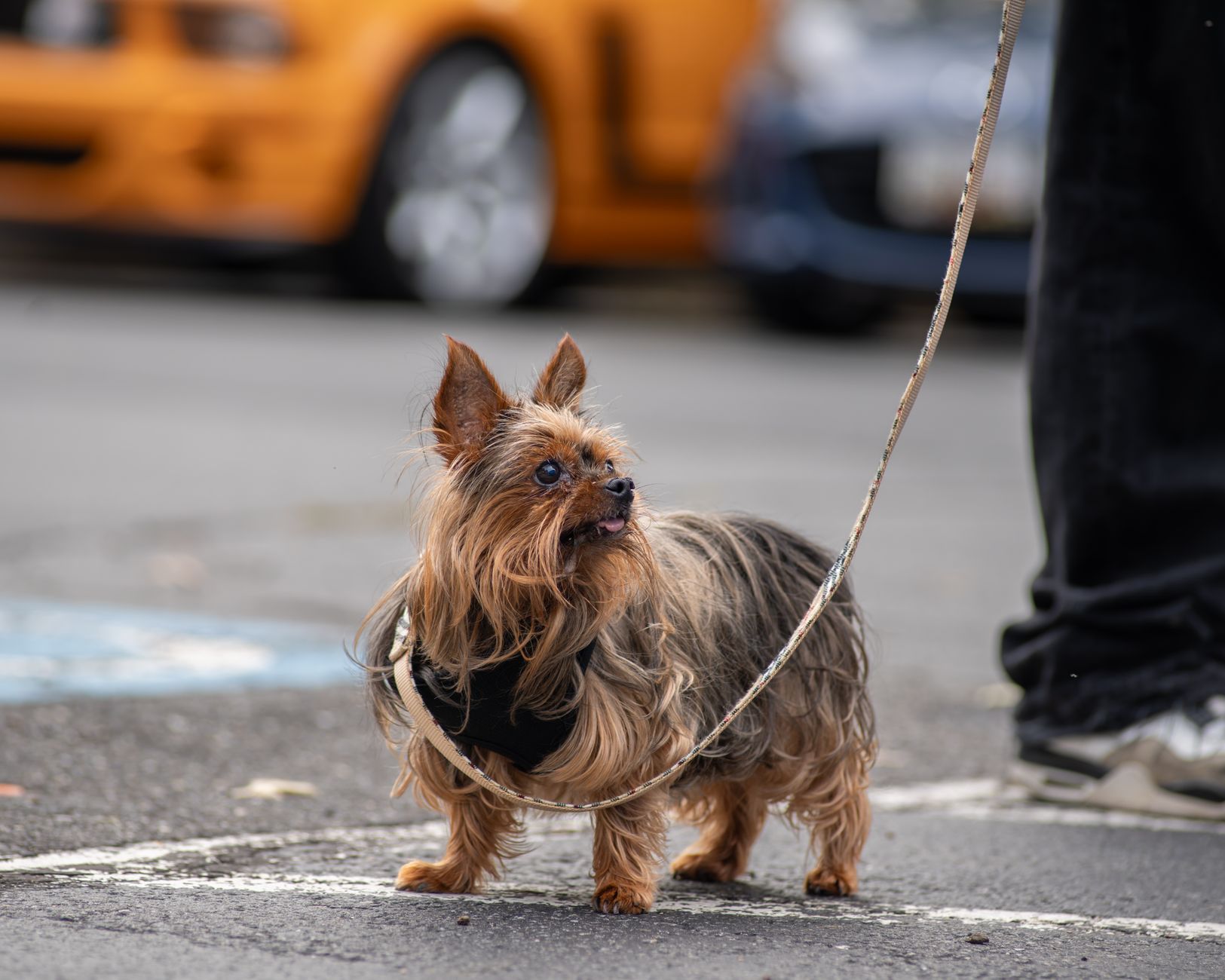
Small dogs are physically easier to carry and generally consume less food than much larger dogs, but small size does not automatically mean low exercise, low barking, easy training, or minimal grooming.
Some small breeds were developed as working dogs rather than passive companions. Blue Cross notes that even toy-group dogs can require substantial exercise, grooming, or training depending on breed history.
Likewise, a large dog may be relatively calm indoors while still requiring appropriate exercise and enough physical space for comfortable handling.
When comparing size, consider what adult dimensions affect in everyday life:
- strength on a leash;
- transportation;
- boarding and travel;
- food costs;
- medication doses and some veterinary expenses;
- ability to physically assist the dog if it becomes injured or elderly;
- rental or housing restrictions.
Filter Three: What Does Your Home Environment Demand?
Housing suitability is about more than square meters.
AKC guidance notes that living space alone does not determine whether a dog will fit successfully if its exercise needs are otherwise met.
If you live in an apartment
Look beyond body size. Vocalization, hallway reactivity, ability to settle indoors, exercise needs, and ease of moving through shared spaces may matter more.
A small dog that reacts to every hallway sound can be harder to manage in an apartment than a larger dog that rests quietly after appropriate exercise.
If you have a large home or yard
More space expands your options, but it does not automatically satisfy behavioral needs. Guarding, fence running, territorial barking, and under-stimulation can still become problems.
If you rent
Check restrictions before choosing a dog. Some properties impose rules based on breed, adult weight, number of animals, or other criteria.
Filter Four: Children and Other Pets Change the Decision
“Best family dog” is too broad to be a reliable category.
A household with two calm teenagers is different from a home with a toddler. A family with an elderly cat has different requirements from one without other animals.
Breed tendencies can help narrow possibilities, but the individual dog’s history and temperament remain critical.
When children are involved, consider:
- the dog’s adult strength;
- normal play intensity;
- sensitivity to sudden movement and noise;
- resource-guarding history;
- comfort with handling;
- previous experience around children;
- whether adults can supervise interactions consistently.
No breed label makes supervision unnecessary.
Prey Drive Matters More Than Many Buyers Expect
A dog’s historical purpose can become especially important in homes containing cats, rabbits, birds, or other small animals.
Terriers were often selected to pursue vermin, while many hounds were developed to chase or track prey. Herding breeds may attempt to control moving animals. These tendencies vary between individuals, but breed background can increase or decrease the probability of encountering particular behaviors.
If living peacefully with an existing small pet is essential, evaluate the individual dog’s history rather than relying exclusively on claims that a breed is generally “good with pets.”
Filter Five: Decide How Much Grooming You Will Actually Do
Coat maintenance can turn a seemingly easy dog into a major time commitment.
Some dogs need simple brushing and occasional bathing. Others require frequent brushing, detangling, clipping, trimming, or professional grooming to prevent matting and maintain skin and coat health.
AKC specifically recommends factoring grooming requirements and shedding into breed selection.
| Coat Consideration | What It Can Mean for You |
|---|---|
| Heavy shedding | More hair on clothing, furniture, and floors |
| Long coat | Potentially frequent brushing and mat prevention |
| Curly or continuously growing coat | Regular clipping or professional grooming may be necessary |
| Skin folds or specialized anatomy | May require additional routine cleaning and health monitoring |
A low-shedding dog is therefore not automatically a low-maintenance dog.
Filter Six: Health Should Be Considered Before Appearance
Breed selection becomes more responsible when health is considered at the beginning instead of after a puppy has already been chosen.
Different breeds have different inherited risks, and some physical characteristics themselves can impair normal function.
RSPCA warns that exaggerated conformational features can cause significant welfare problems. Dogs with very flat faces, for example, can experience restricted breathing, while extremely large and heavy dogs can face increased musculoskeletal and other health burdens.
Before selecting a breed, investigate:
- common inherited disorders;
- recommended health screening for breeding animals;
- breathing and heat tolerance;
- eye problems;
- joint disease;
- neurological disorders;
- cardiac conditions;
- other breed-associated health concerns.
A distinctive appearance should not outweigh a dog’s ability to breathe, move, reproduce, exercise, and live comfortably.
Breed Predictability Is Useful, but It Has Limits
One practical benefit of established breeds is that adult size, coat type, general working background, and some behavioral tendencies can be more predictable than they are in a young dog of uncertain ancestry. AKC specifically identifies predictability as an advantage owners may gain when choosing a well-established purebred dog.
That predictability is probabilistic rather than absolute.
Two Labradors can have noticeably different energy levels. Two Border Collies can differ in sociability. Two dogs from the same litter can respond differently to strangers.
Breed tells you what is more likely. The individual dog tells you what you actually have.
An Adult Dog Can Reduce Some of the Guesswork
Puppies are appealing partly because owners imagine shaping the dog from the beginning. The tradeoff is uncertainty.
With an adult dog, several characteristics may already be visible:
- adult size;
- coat type;
- general energy level;
- social behavior;
- response to other animals;
- some established training and behavior patterns.
This can make a carefully assessed adult rescue dog an attractive option for someone with specific compatibility requirements.
The limitation is that rescue histories may be incomplete, and behavior can change after a dog settles into a new home. Adult adoption reduces some uncertainty rather than eliminating it.
If You Are Very Active, Consider More Than Athletic Ability
People who hike, run, participate in dog sports, or enjoy frequent outdoor activity often have a broad range of energetic breeds available to them.
Border Collies are one example frequently suggested for highly active people interested in intensive training or agility, while AKC also highlights the Papillon as a smaller option for owners who want an active, trainable dog.
The important tradeoff is that athletic capacity often comes bundled with behavioral needs. A dog capable of working intensively may expect considerably more engagement than an owner seeking a weekend hiking companion anticipates.
Ask whether you want:
- an athletic companion;
- a dog-training hobby;
- a competitive sport dog;
- or simply a pet capable of accompanying you occasionally.
Those are different requirements.
If You Want a Relaxed Companion, Age May Matter More Than Breed
People looking for a quieter dog often search for a supposedly low-energy breed. A mature dog’s known temperament can sometimes be more useful than a breed generalization.
An adult or senior dog whose daily behavior has already been assessed may provide greater confidence about activity level than a puppy whose eventual personality is still developing.
This is especially useful for people who prioritize predictable household behavior over a particular pedigree.
If This Is Your First Dog, Avoid Choosing by Intelligence Alone
First-time dog owners do not necessarily need a tiny dog or a particular “beginner” breed. They need a dog whose requirements they can comfortably manage while developing their own handling and training skills.
AKC lists several breeds that can suit first-time owners, but even those breeds come with different grooming, exercise, and behavioral requirements.
A first-time owner should pay particular attention to:
- adult strength;
- exercise requirements;
- trainability;
- grooming;
- guarding tendencies;
- prey drive;
- vocalization;
- health management;
- ability to afford training assistance if problems emerge.
What About Popular Family Breeds?
Labrador Retrievers and Golden Retrievers are frequently considered family companions because of their historical relationship with people and their generally social, trainable reputations. Blue Cross describes gundog breeds as typically active and intelligent, and lists Labradors and Golden Retrievers among popular examples.
The important limitation is that “family dog” does not mean “effortless dog.”
Many retrievers are energetic, physically strong, food-motivated, and capable of remaining exuberant during adolescence. They require training and exercise just as other breeds do.
A family wanting a calm dog should therefore evaluate the specific individual rather than assuming a popular family breed will arrive naturally settled.
Working Breeds Can Be Outstanding Dogs for the Right Owner
Working breeds often attract people because they appear confident, capable, and impressive.
Those same characteristics can create substantial responsibility. Blue Cross notes that many working breeds combine intelligence, significant exercise requirements, large body size, and guarding tendencies.
For an experienced owner who enjoys training and understands management, those traits can be valuable. For someone who wants minimal involvement beyond walks and companionship, they may be unnecessary complications.
Do Not Let Social Media Decide Which Breed Is Best
Short videos are exceptionally good at showing unusual appearances and entertaining behaviors. They are much worse at showing the ordinary workload associated with living with a breed.
A 30-second clip rarely shows:
- daily exercise;
- training setbacks;
- grooming;
- vet appointments;
- separation management;
- prey drive;
- adolescent behavior;
- health problems;
- the cost of maintaining the dog for many years.
RSPCA has specifically raised concerns about the growing popularity of animals with exaggerated physical traits promoted through media and social platforms despite associated welfare problems.
Use Breed Groups to Narrow the Field, Not Make the Final Decision
| Broad Breed Type | Typical Historical Role | Ownership Consideration |
|---|---|---|
| Herding or pastoral | Managing livestock | Often benefits from substantial physical and mental engagement |
| Sporting or gundog | Locating or retrieving game | Often active, trainable, and accustomed to cooperating with people |
| Terrier | Vermin control | May bring persistent chasing, digging, and independent behavior |
| Hound | Tracking or pursuing game | Scent or visual pursuit can influence recall and outdoor management |
| Working | Guarding, pulling, protection, and other jobs | Strength, exercise, and guarding traits may require substantial management |
| Toy | Varied, including companionship and some working origins | Small size does not remove training, exercise, or grooming requirements |
Breed groups provide useful historical context, but Blue Cross cautions that characteristics can vary substantially even within a group.
Use a Shortlist Instead of Hunting for One Perfect Breed
A practical selection process should produce several candidates rather than immediately declaring one winner.
- Define your real activity level.
- Set an acceptable adult size range.
- Decide how much grooming you will do.
- Identify children and animals the dog must live with.
- Decide how much training you genuinely enjoy.
- Remove breeds whose major behavioral tendencies conflict with your lifestyle.
- Research health and recommended screening.
- Create a shortlist of several breeds or dog types.
- Meet adult examples when possible.
- Evaluate the individual dog before committing.
Questions to Ask Before Choosing the Actual Dog
Once you have narrowed the breed or type, shift your attention away from general breed descriptions and toward the individual animal.
Useful questions include:
- How does this dog react to unfamiliar people?
- How does it behave around dogs?
- Has it lived with children or other pets?
- What is its normal activity level?
- Can it settle indoors?
- How much grooming is actually required?
- What health testing applies to its breed or parents?
- Are there known medical problems?
- How does it respond to handling?
- Has it shown separation distress, guarding, or significant fear?
If buying a puppy, Blue Cross and RSPCA both emphasize researching breed health and asking about appropriate health testing of the parents.
The Best Breed Is the One Whose Drawbacks You Can Live With
Every breed has advantages, but advantages are easy to fall in love with. The more revealing question is whether you can tolerate the disadvantages.
An athletic breed may be an outstanding adventure companion but require more exercise. A heavily coated dog may have the appearance you want but require frequent grooming. A protective breed may offer the qualities you admire while also demanding careful socialization and management. A tiny companion may fit easily into your home while still being vocal, active, or grooming-intensive.
Choosing well therefore means evaluating the complete package rather than selecting the most attractive positive trait.
There Is No Universal Best Dog Breed
The best breed for a runner is not necessarily the best breed for an older adult. The best dog for an experienced trainer may overwhelm someone getting a first puppy. The ideal breed for a rural household may be frustrating in a busy apartment building.
Breed information is most useful when treated as a forecasting tool. It can tell you what size, coat, activity level, working instincts, and behavioral tendencies are more likely. It cannot guarantee the personality of the individual dog.
The strongest match is therefore not the breed that appears most often on “best dog” lists. It is the dog whose normal needs fit your ordinary routine, whose health risks you understand, whose behavior you can responsibly manage, and whose less convenient traits you are still prepared to live with years after the novelty has disappeared.