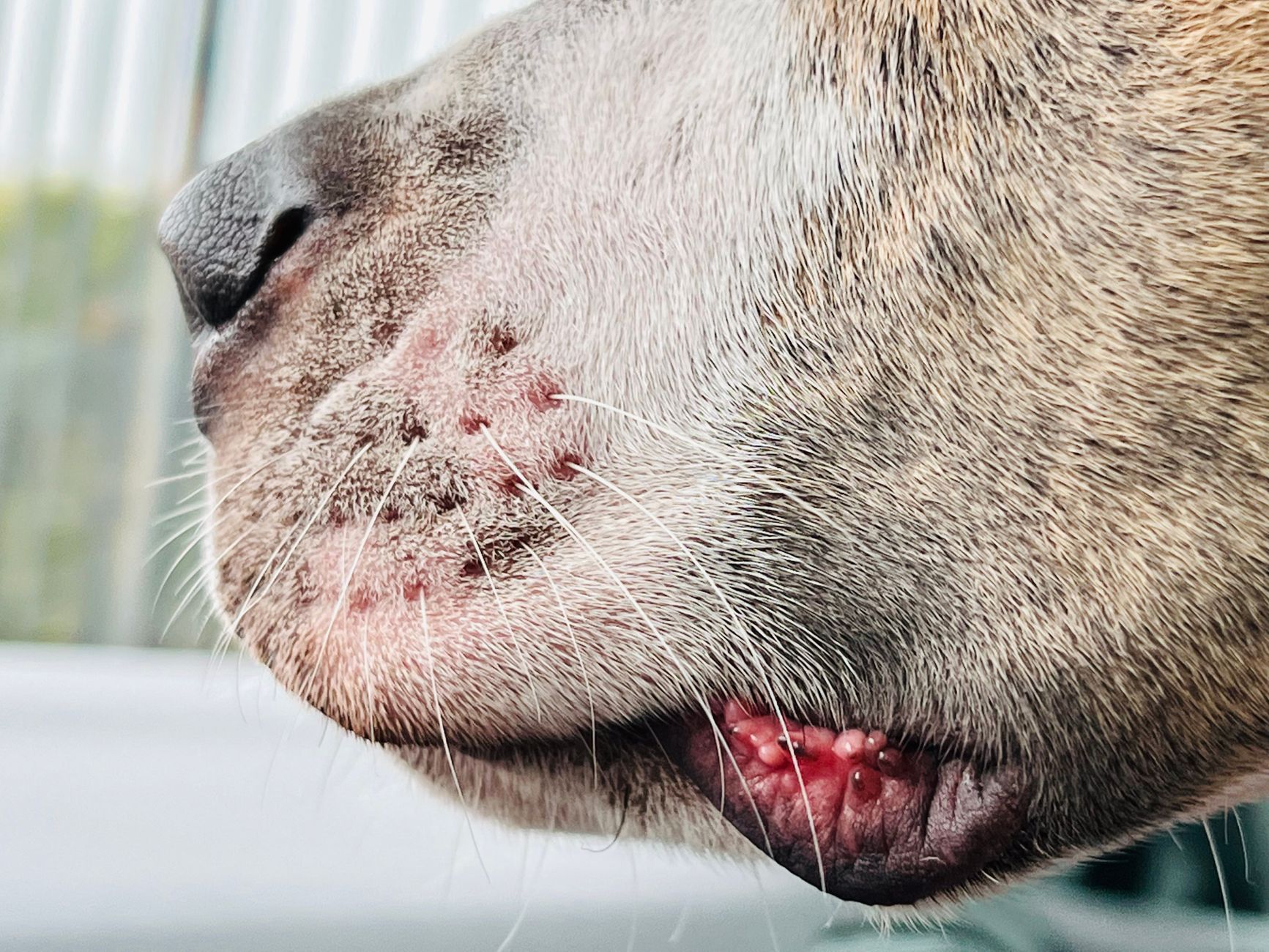
When people notice a blister, sore, or unusual mark around their dog’s mouth, it is natural to wonder whether dogs can get the same cold sores that affect humans. The short answer is that dogs do not typically get human cold sores caused by the herpes simplex virus. However, dogs can develop other types of sores, bumps, ulcers, and skin changes that may look similar.
Understanding the difference between human cold sores and canine mouth or skin problems is important because the appearance of a lesion does not always reveal its cause. A small spot around a dog’s lips may result from irritation, allergies, infection, dental problems, immune-related conditions, or other medical issues that require different approaches to treatment.
Do Dogs Get Human Cold Sores?
Dogs do not generally catch human cold sores. The cold sores people experience are most commonly caused by herpes simplex virus type 1, a virus adapted to infect humans. Dogs are not natural hosts for this virus, which means your dog is very unlikely to develop the same condition after contact with a person who has a cold sore.
While dogs cannot usually get human cold sores, they can carry and develop infections from other viruses that belong to the herpesvirus family. Canine herpesvirus, for example, affects dogs but is a different virus from the one responsible for human cold sores.
Why a Dog May Have a Sore Around the Mouth
A sore near a dog’s mouth can have many explanations. The lips, gums, and surrounding skin are exposed to food, environmental materials, bacteria, and everyday wear, making this area vulnerable to irritation and infection.
| Possible Cause | Common Signs |
|---|---|
| Skin irritation or contact reaction | Redness, itching, swelling, or irritation around the lips. |
| Bacterial or fungal infection | Sores, crusting, odor, discharge, or inflamed skin. |
| Dental disease | Mouth discomfort, bad breath, difficulty eating, or gum changes. |
| Allergies | Recurring skin problems, itching, licking, or inflammation. |
| Immune-related conditions | Persistent sores or unusual lesions that do not heal normally. |
Can Dogs Get Canine Herpesvirus?
Dogs can be infected with canine herpesvirus, but it is not the same condition as human cold sores. Canine herpesvirus is particularly important in breeding environments because young puppies can be vulnerable to severe illness. Adult dogs may carry the virus with few or no obvious symptoms.
Because canine herpesvirus behaves differently from human herpes infections, a dog showing a mouth sore should not automatically be assumed to have herpes. Veterinary evaluation is often needed to determine the actual cause.
Signs That a Mouth or Skin Sore Needs Attention
Some minor irritations may resolve naturally, but changes around the mouth can sometimes indicate a deeper problem. Owners should monitor whether the sore changes in size, appearance, or severity.
- Persistent sores: Lesions that do not improve or continue returning should be examined.
- Bleeding or discharge: Fluid, pus, or bleeding may indicate infection or another condition.
- Difficulty eating: Pain while chewing can point to dental or oral problems.
- Swelling: Sudden swelling around the face or mouth may require prompt attention.
- Behavior changes: Reduced appetite, tiredness, or discomfort can signal illness.
Are Dog Mouth Sores Contagious to People?
Most causes of mouth sores in dogs are not the same as human cold sores and do not spread between dogs and people. However, some infections that affect animals can potentially have health implications for humans, especially for people with weakened immune systems.
Good hygiene remains a sensible precaution. Washing hands after handling a dog’s affected area and avoiding contact with open wounds can help reduce the risk of spreading germs.
How Veterinarians Diagnose Dog Sores
Because many different conditions can create similar-looking sores, veterinarians typically consider the dog’s overall health, age, symptoms, and medical history. A physical examination may be enough for minor issues, while persistent or unusual lesions may require additional testing.
Possible diagnostic approaches can include examining the affected area, checking for dental problems, collecting samples for laboratory testing, or investigating allergies and immune conditions. Accurate diagnosis matters because treatments vary significantly depending on the underlying cause.
What You Should Avoid Doing at Home
Owners should avoid applying human cold sore creams, antiviral products, or other medications unless a veterinarian specifically recommends them. Products designed for people may contain ingredients that are unsafe for dogs if swallowed or absorbed through the skin.
It is also important not to pick at sores or attempt to remove crusts. This can worsen irritation, introduce bacteria, and slow healing.
Keeping Your Dog’s Mouth Healthy
Preventive care can reduce the chance of many oral and skin-related problems. Regular dental care, appropriate nutrition, and routine veterinary checkups help identify issues before they become more serious.
- Brush your dog’s teeth using products made specifically for dogs.
- Check the mouth and lips regularly for unusual changes.
- Address persistent itching, licking, or skin irritation.
- Maintain recommended veterinary examinations.
The Difference Between Human Cold Sores and Dog Sores
The confusion around dog cold sores comes from the fact that several unrelated conditions can look alike. A blister or sore on a person’s lip has a very specific common cause, while a similar-looking mark on a dog can result from many different problems.
Dogs do not typically get human cold sores, but they can develop their own viral infections, mouth ulcers, skin irritations, and other lesions. Paying attention to changes and seeking veterinary advice when something looks unusual is the best way to protect your dog’s health.