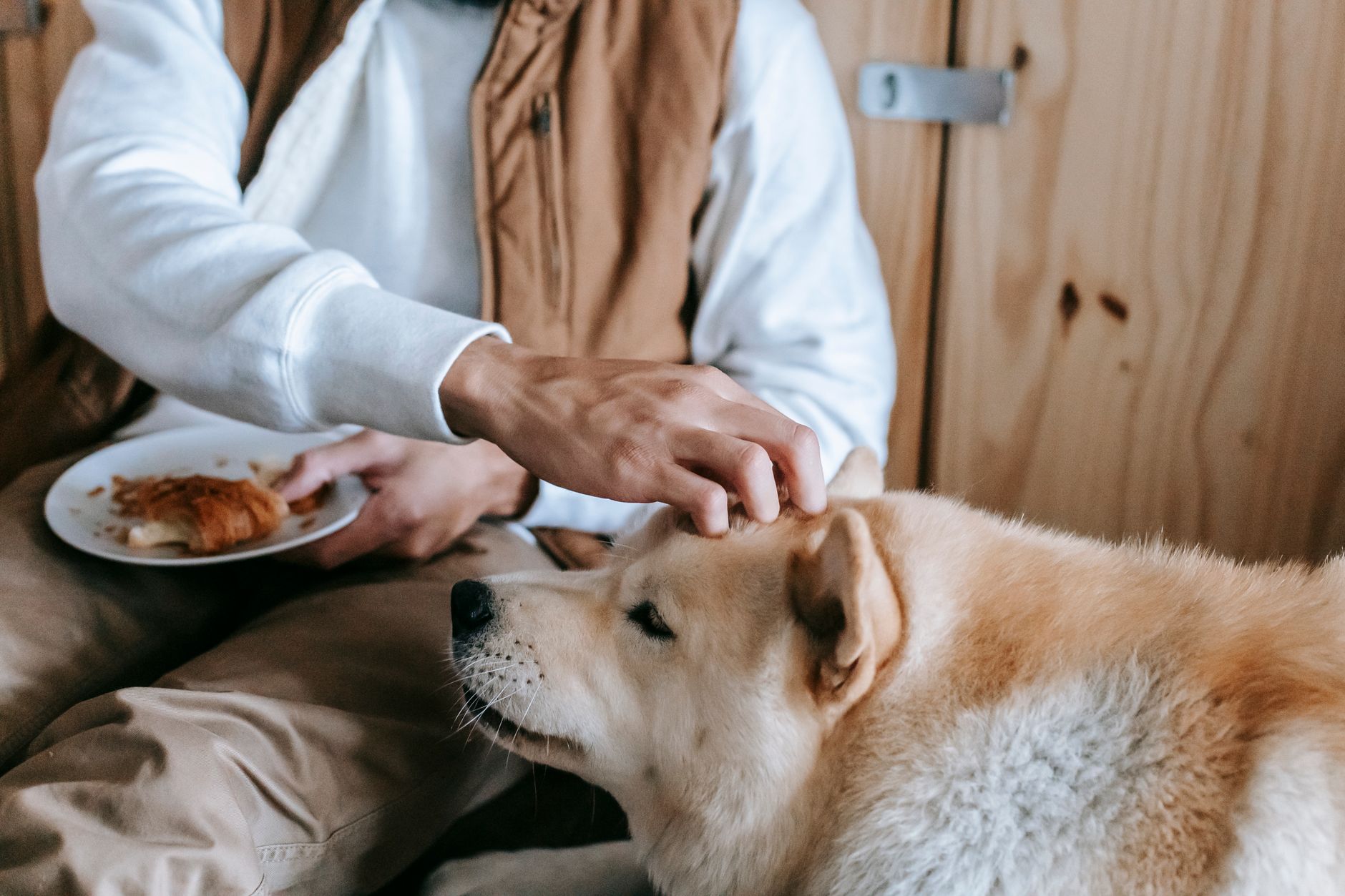
Sharing food with a dog is a common way owners express affection, but not every human food is safe for canine consumption. Some foods that are harmless to people can cause anything from mild digestive problems to life-threatening poisoning in dogs.
The challenge is that food-related risks are not always obvious. A small piece of a certain ingredient may cause no visible reaction in one dog but create a medical emergency in another, depending on the animal’s size, health, age, and the amount consumed.
Responsible feeding starts with understanding which foods dogs should never eat, which foods require caution, and what actions to take if accidental ingestion occurs.
Why Some Human Foods Are Dangerous for Dogs
Dogs have different metabolic processes from humans. Their digestive systems can handle many foods that people eat, but certain compounds can interfere with normal body functions.
Food-related problems in dogs usually occur because of several factors:
- Toxic compounds: Some foods contain substances that dogs cannot safely process.
- High fat content: Rich foods may trigger digestive upset or contribute to pancreatitis in susceptible dogs.
- Choking and obstruction risks: Certain foods can become dangerous because of size, shape, or texture.
- Individual sensitivity: Some dogs react more severely than others.
Foods Dogs Should Never Eat
| Food | Why It Is Dangerous | Possible Effects |
|---|---|---|
| Chocolate | Contains theobromine and caffeine, compounds dogs metabolize poorly. | Vomiting, rapid heart rate, tremors, seizures, or serious illness. |
| Grapes and raisins | Can cause severe kidney problems in some dogs. | Vomiting, lethargy, kidney failure. |
| Xylitol (a sugar substitute) | Can cause dangerous insulin release and low blood sugar. | Weakness, collapse, seizures, liver complications. |
| Onions, garlic, and related plants | May damage red blood cells. | Anemia, weakness, digestive issues. |
| Alcohol | Dogs are highly sensitive to alcohol toxicity. | Coordination problems, breathing difficulties, coma. |
| Caffeine | Acts as a stimulant that can be harmful to dogs. | Restlessness, elevated heart rate, seizures. |
Chocolate: A Common Household Risk
Chocolate is one of the most recognized foods that dogs should avoid. The danger comes from methylxanthines, especially theobromine and caffeine, which dogs break down much more slowly than humans.
The level of risk depends on factors such as the type of chocolate, the amount eaten, and the size of the dog. Dark chocolate and baking chocolate generally contain higher concentrations of harmful compounds than milk chocolate.
If a dog consumes chocolate, owners should contact a veterinarian promptly rather than waiting for symptoms to appear.
Grapes and Raisins: A Serious but Unpredictable Hazard
Grapes and raisins are unusual because scientists have not fully explained why they are toxic to some dogs. What is known is that ingestion can lead to acute kidney injury.
A major concern is that there is no reliable way to predict which dogs will become severely affected. Even small amounts may require veterinary advice.
Foods Containing Xylitol
Xylitol is a sugar substitute found in many products marketed as low-sugar or sugar-free. Common sources include chewing gum, candies, baked goods, toothpaste, and some dietary products.
In dogs, xylitol can cause a rapid drop in blood glucose levels and may contribute to severe complications. Because products containing xylitol are often found around the home, owners should check ingredient labels carefully.
Foods That Can Cause Digestive Problems or Health Complications
Not every risky food is immediately poisonous. Some foods can create significant health problems because they are difficult for dogs to digest or contain excessive amounts of certain nutrients.
High-Fat Foods
Foods such as fatty meat scraps, fried foods, and heavy leftovers can overwhelm a dog’s digestive system. In some dogs, excessive fat intake is associated with pancreatitis, an inflammation of the pancreas that can require veterinary treatment.
Bones and Fatty Meat Trimmings
Cooked bones can become brittle and splinter, creating risks of mouth injuries, choking, intestinal blockage, or internal damage. Fat trimmings may also contribute to digestive problems.
Dairy Products
Many adult dogs have limited ability to digest lactose. Milk, cheese, and other dairy products may cause diarrhea, gas, or stomach discomfort, although tolerance varies between individual dogs.
Raw Dough Containing Yeast
Unbaked yeast dough can expand inside a dog’s stomach. Fermentation may also produce alcohol, creating additional risks beyond simple stomach discomfort.
Foods That Require Extra Caution
Some foods are not automatically toxic but should only be given under appropriate circumstances.
- Avocado: Certain parts of the plant contain compounds that may be problematic, and the pit presents a choking and obstruction risk.
- Nuts: Some nuts are high in fat, and certain types can be particularly dangerous for dogs.
- Salty foods: Excessive salt intake can contribute to health problems.
- Spicy foods: They may cause digestive irritation.
What To Do If Your Dog Eats Something Dangerous
Quick action is important when a dog consumes a potentially harmful food.
- Identify what the dog ate, including the ingredient and approximate amount.
- Record when the ingestion occurred.
- Contact a veterinarian or animal poison support service for guidance.
- Do not attempt home treatments unless specifically instructed by a professional.
Waiting for symptoms can be risky because some toxins cause internal damage before visible signs appear.
Symptoms That May Indicate Food Poisoning
Signs of a food-related problem can vary depending on the substance involved. Possible warning signs include:
- Vomiting or diarrhea.
- Loss of appetite.
- Extreme tiredness or weakness.
- Difficulty walking or unusual coordination.
- Tremors or seizures.
- Changes in drinking or urination.
- Collapse or breathing difficulties.
Building Safer Feeding Habits
The safest approach is to treat human food as an occasional supplement rather than a replacement for balanced dog nutrition. Commercial dog foods are formulated to provide appropriate levels of nutrients, while table scraps can introduce unnecessary risks.
If owners want to offer treats, safer options often include veterinarian-approved dog treats or small portions of dog-friendly foods prepared without harmful ingredients.
The Bottom Line
Many dogs are eager to share whatever their owners are eating, but curiosity does not mean a food is safe. Understanding dangerous foods is one of the simplest ways to prevent avoidable emergencies.
A careful owner does not need to eliminate every human food from a dog’s life, but should recognize the difference between a harmless treat and a potential health threat. When uncertainty exists, professional veterinary advice is the safest choice.