Dogs were not invented in the way humans create tools, machines, or technology. They emerged through a long evolutionary process in which certain wolf populations gradually adapted to living alongside humans. The modern dog is the result of thousands of years of biological change, natural selection, and human-guided breeding rather than a single moment of creation.
Understanding when dogs appeared requires looking beyond the idea of invention and examining the history of domestication: a process that transformed wild wolves into animals capable of cooperating closely with human societies.
The origin of dogs began with ancient wolves
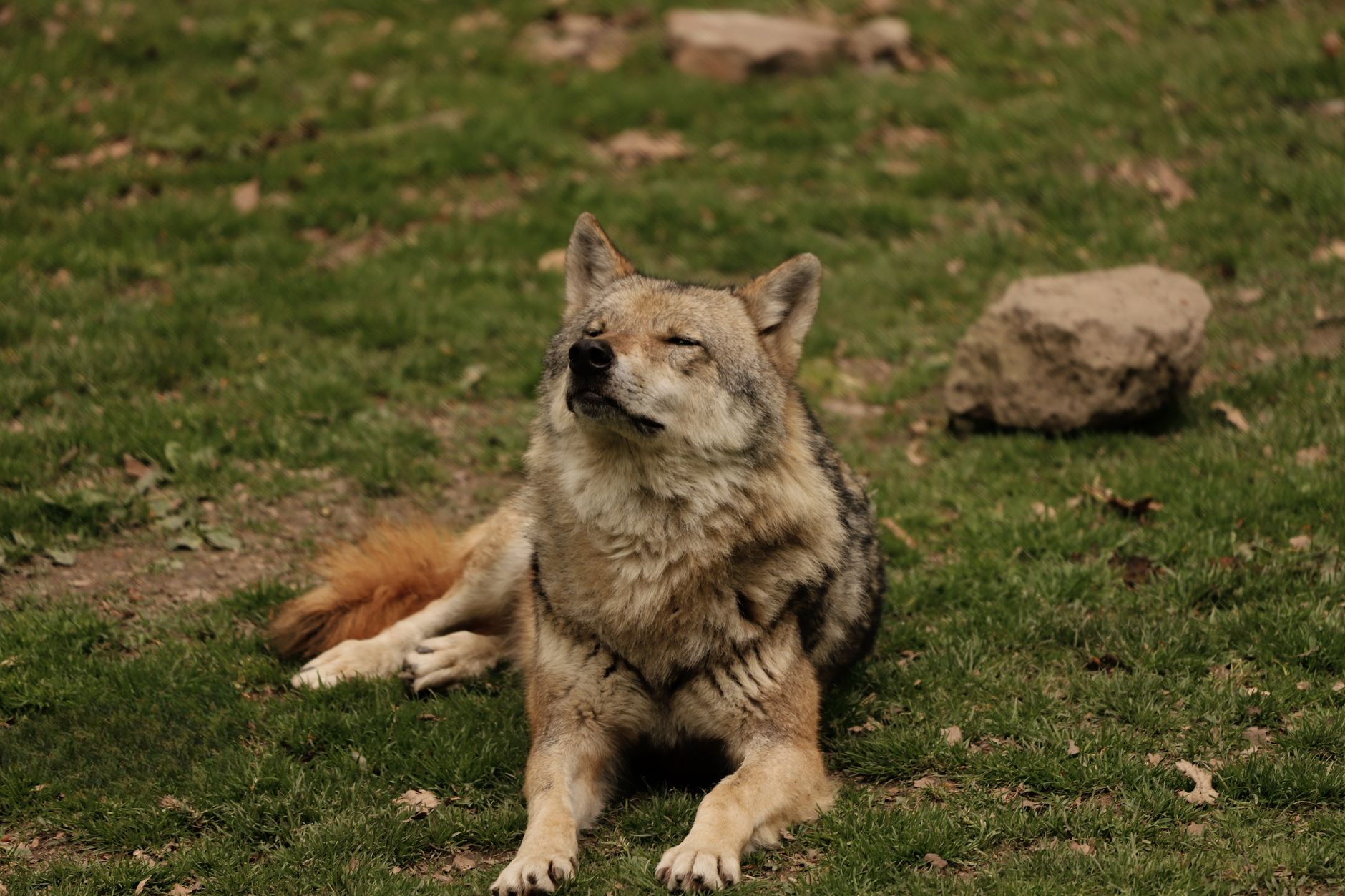
Scientists generally agree that domestic dogs descended from ancient wolf populations, although the exact details of when and where this transformation began remain the subject of ongoing research.
Genetic and archaeological evidence suggests that dogs separated from their wolf ancestors tens of thousands of years ago. Many researchers place the beginning of dog domestication somewhere between approximately 20,000 and 40,000 years ago, during a period when humans lived primarily as hunter-gatherers.
This means dogs existed long before agriculture, cities, and modern civilizations. Their relationship with humans began during some of the earliest stages of human history.
Domestication was a gradual process, not a single event
Unlike manufactured objects, animals cannot be “invented.” Domestication occurs over many generations as certain traits become more common within a population.
Early wolves that were less fearful of humans may have benefited by staying near human camps, where they could access leftover food. Humans may also have benefited because these wolves could provide warnings about predators or other dangers.
Over time, wolves that were more comfortable around humans were more likely to survive and reproduce near human communities. Gradually, behavioral and physical differences developed between these animals and their wild relatives.
What changed when wolves became dogs?
Domestication affected many aspects of the animal, including behavior, appearance, and communication. Early dogs became increasingly suited to cooperation with humans.
Important changes associated with domestication include:
- Reduced fear and aggression toward humans.
- Greater ability to understand human gestures and communication.
- Changes in body structure compared with wild wolves.
- Increased ability to live in human environments.
- Development of stronger social bonds with people.
These changes did not happen overnight. They developed through countless generations of interaction between humans and early dogs.
How scientists determine when dogs appeared
Researchers use several forms of evidence to study the origins of dogs. Because domestication happened gradually, no single discovery provides the complete answer.
| Evidence | What scientists learn from it |
|---|---|
| Ancient DNA | Shows genetic relationships between ancient dogs, modern dogs, and wolves. |
| Fossil remains | Reveal physical differences between early dogs and wild wolves. |
| Archaeological sites | Show how humans and dogs lived together in ancient communities. |
| Burial evidence | Provides clues about the emotional and cultural importance of dogs. |
The first roles dogs played in human societies
Early dogs were valuable because their abilities complemented human survival strategies. They were not initially bred into the many specialized breeds seen today, but they already provided important advantages.
Ancient dogs may have helped humans by:
- Detecting approaching threats through their senses.
- Assisting hunters by tracking animals.
- Protecting camps and settlements.
- Providing companionship and social connection.
The relationship became mutually beneficial: humans provided food and protection, while dogs contributed skills that improved human survival.
When did modern dog breeds appear?
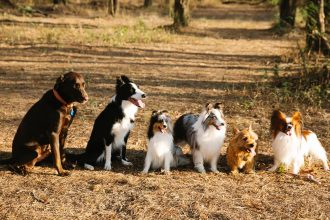
Although dogs have existed for tens of thousands of years, most modern breeds are relatively recent. The creation of recognizable breeds accelerated much later, particularly when humans began deliberately selecting dogs for specific traits such as size, appearance, hunting ability, or working skills.
Breeds such as herding dogs, hunting dogs, and companion breeds reflect more recent periods of selective breeding. They represent only a small portion of the much longer history of dogs as a species.
Why the history of dogs is still being studied
Scientists continue to investigate dog origins because new genetic discoveries and archaeological findings regularly change our understanding of domestication. Questions remain about exactly where domestication began, whether it happened once or multiple times, and how early dog populations spread around the world.
Advances in ancient DNA research are helping researchers reconstruct the journey from ancient wolves to the diverse dogs that exist today.
The real story behind the “creation” of dogs
Dogs were not invented at a specific point in history. They emerged through one of the longest and most significant partnerships between humans and another species.
From ancient hunter-gatherer camps to modern homes, dogs have evolved alongside humans, adapting to our environments while becoming deeply connected to our social lives. Their history is not a story of invention, but a story of cooperation, adaptation, and shared evolution.
“`