For people hoping to welcome a dog into their family without paying a large purchase fee, adoption can be an accessible alternative. However, finding a dog “for free” is not simply about locating an animal with no upfront cost. Responsible adoption involves understanding the source of the dog, its health needs, behavioral history, and the long-term commitment required after bringing it home.
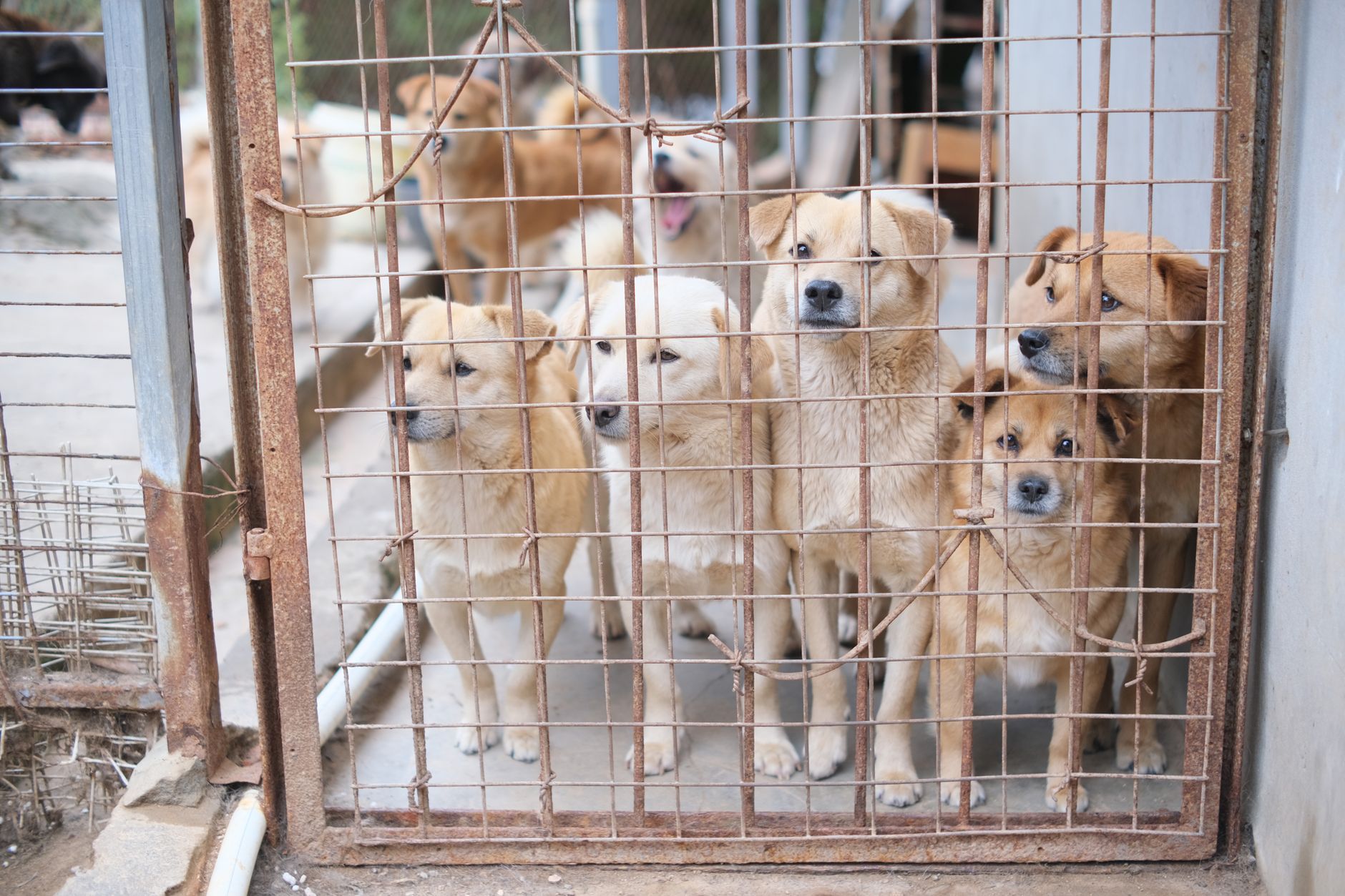
Many dogs become available through shelters, rescue organizations, community programs, and owner rehoming situations. These options can reduce initial expenses while giving dogs a second chance at a stable home. The most important consideration is not the price of obtaining the dog, but whether the adopter can provide appropriate care throughout the animal’s life.
Where people can adopt a dog with little or no adoption fee
Animal shelters and rescue organizations
Shelters and nonprofit rescue groups are among the most common places to find dogs needing homes. Some organizations occasionally waive adoption fees through special programs, community events, or campaigns designed to encourage adoption.
Even when an adoption is advertised as free, organizations may still provide important services before placement, such as health checks, vaccinations, microchipping, parasite treatment, or behavioral assessments. These services help improve the chance of a successful match between the dog and its new owner.
Local animal welfare programs
Community animal control programs, municipal shelters, and local welfare groups sometimes have dogs available for adoption at reduced or zero cost. Availability depends on location, shelter capacity, and current demand.
These programs can be especially helpful because staff members often know the dogs’ backgrounds and can provide information about temperament, activity level, and compatibility with different households.
Rehoming from previous owners
Some families need to find new homes for their dogs because of changes in living situations, health issues, financial challenges, or other personal circumstances. Private rehoming can sometimes involve no adoption fee.
However, adopters should carefully evaluate these situations. A free dog may still require veterinary care, training, or adjustment support after moving into a new environment.
Why “free” does not mean zero cost
The initial adoption fee is only one part of dog ownership expenses. A dog that costs nothing to acquire may still require immediate spending on essential care.
| Potential Expense | Purpose |
|---|---|
| Veterinary examination | Checks overall health and identifies possible medical issues |
| Vaccinations and parasite prevention | Protects against common diseases and health risks |
| Food and supplies | Provides daily nutrition and basic living needs |
| Training and behavior support | Helps dogs adjust and develop positive habits |
Before adopting, potential owners should consider whether they can support these ongoing responsibilities. A dog’s lifetime needs continue long after the adoption process is complete.
How to identify a responsible adoption source
Not every free dog listing provides the same level of transparency or care. Responsible adoption sources prioritize the welfare of the animal and provide useful information to potential owners.
- Health information: Reliable sources should share available medical records, vaccination history, and known health concerns.
- Behavior details: Understanding temperament, training level, and social behavior helps prevent unsuitable placements.
- Honest background information: A clear explanation of why the dog needs a new home allows adopters to make informed decisions.
- Adoption screening: Good organizations often ask questions about housing, lifestyle, and experience to protect the dog’s future.
Questions to ask before taking a free dog home
A thoughtful adoption decision begins with gathering as much information as possible. Important questions include:
- Why is the dog being rehomed?
- Has the dog lived with children, other pets, or different environments?
- Does the dog have any known medical conditions?
- What type of food, routine, and training does the dog currently have?
- Has the dog shown fear, anxiety, aggression, or separation-related behaviors?
Adopting versus buying: choosing the right path
Adoption can be a meaningful option for many families, but it is not automatically the best choice for every situation. Some people may need a dog with predictable traits for specific roles, such as certain working activities, and may choose responsible breeders instead.
The most important factor is choosing a source that prioritizes animal welfare. Whether adopting or purchasing, future owners should avoid decisions based only on price and focus on long-term compatibility.
The real value of adopting a dog
A free or low-cost adoption opportunity can provide a dog with a new home while allowing a person or family to experience the companionship of pet ownership. However, the true commitment begins after the adoption agreement is completed.
The best adoption decisions are based on preparation, realistic expectations, and the ability to provide consistent care. A dog’s value is not measured by its purchase price but by the responsibility and relationship built over many years.
“`