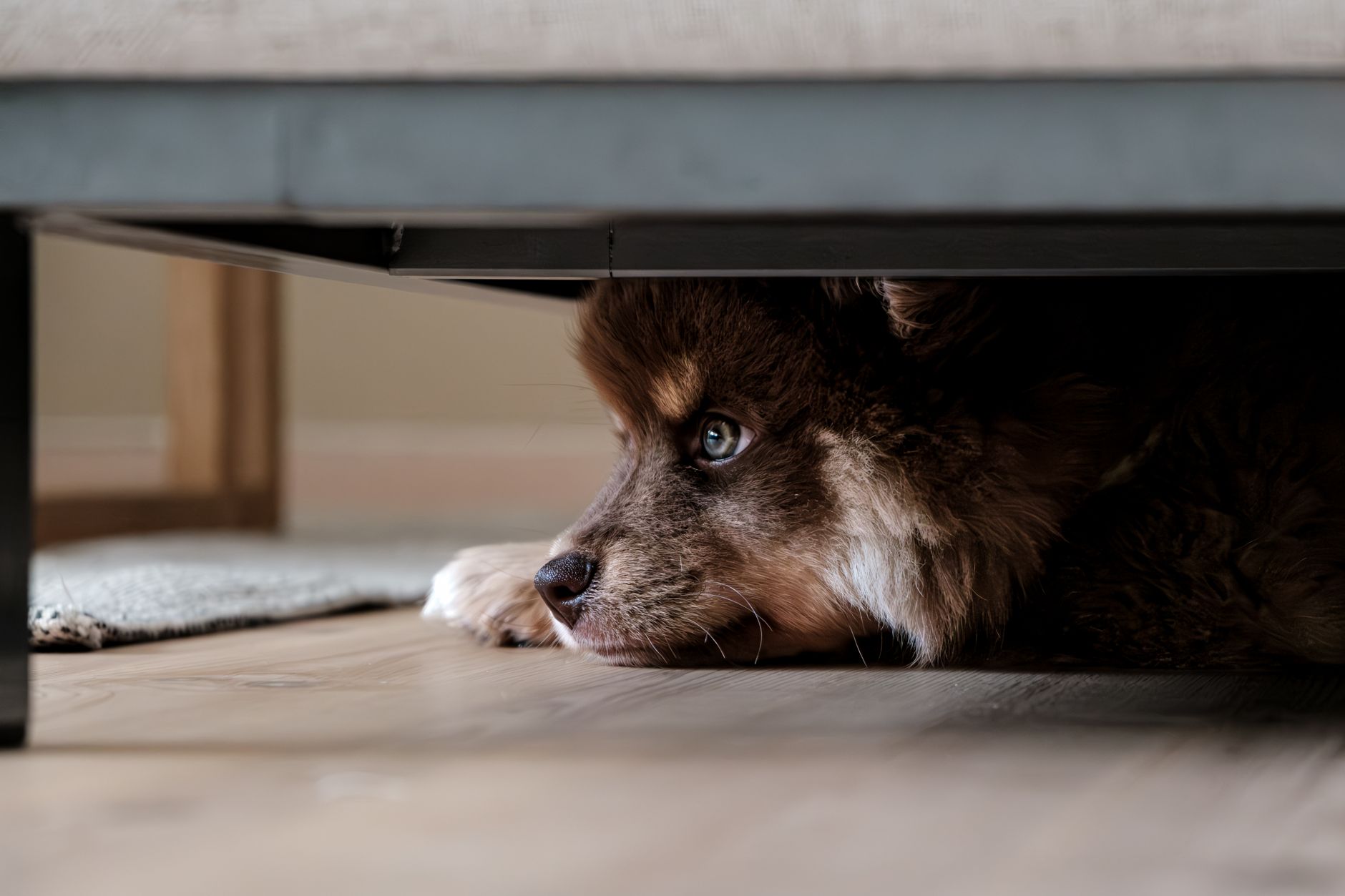
Separation anxiety is one of the most challenging behavioral issues many dog owners face. A dog experiencing separation anxiety does not simply dislike being alone; it may experience genuine distress when separated from its owner. This can appear as excessive barking, destructive behavior, pacing, escape attempts, drooling, or toileting accidents despite being previously house-trained.
The most effective approach is not to punish these behaviors but to address the emotional response behind them. Dogs need to gradually develop confidence, independence, and positive associations with time spent apart from their caregivers.
Understanding what causes separation anxiety in dogs
Dogs are naturally social animals, but some become overly dependent on human presence. Separation anxiety can develop due to several factors, including changes in routine, adoption history, lack of gradual independence training, or stressful life events.
- Major lifestyle changes: Moving homes, changes in household members, or altered schedules can make some dogs feel insecure.
- Sudden periods of isolation: Dogs that were constantly accompanied may struggle when left alone for longer periods.
- Previous stressful experiences: Some rescue dogs or dogs with uncertain histories may have stronger reactions to separation.
- Strong attachment patterns: Dogs that rely heavily on one person for comfort may find independence difficult.
Recognizing the signs of separation anxiety
Separation anxiety usually appears when the owner prepares to leave or shortly after departure. The behavior is different from normal boredom because it is specifically connected to being separated.
| Common Sign | What It May Indicate |
|---|---|
| Continuous barking or whining after leaving | The dog may be experiencing distress rather than seeking attention. |
| Destroying doors, windows, or furniture | The dog may be attempting to escape or reduce anxiety. |
| Pacing, shaking, or excessive drooling | Possible signs of emotional stress. |
| Sudden indoor accidents | May occur despite previous house-training success. |
Teach independence through gradual separation
The foundation of separation anxiety training is controlled exposure. Dogs should learn that being alone is safe through small, successful experiences rather than being forced into long periods of isolation.
- Begin by creating short moments of separation while remaining nearby.
- Return before the dog becomes highly distressed.
- Slowly increase the duration over time.
- Reward calm behavior during periods of independence.
Progress should be gradual. Increasing difficulty too quickly can reinforce the dog’s fear and make future training harder.
Create positive associations with alone time
Dogs learn through experience. If leaving the house always predicts stress, anxiety can become stronger. Instead, owners can make alone time associated with comfort and positive activities.
- Provide safe enrichment activities that encourage independent engagement.
- Use food puzzles or appropriate chew items to create positive routines.
- Prepare a comfortable resting area where the dog feels secure.
- Keep departures calm and predictable.
Reduce dependence without removing affection
Some owners worry that reducing separation anxiety means giving a dog less attention. The goal is not to make the dog less connected to people, but to help it feel confident even when people are unavailable.
Encouraging independent resting, allowing the dog to spend time comfortably in another room, and rewarding calm self-directed behavior can gradually build confidence.
Develop a healthier departure routine
Many dogs react strongly to departure signals such as picking up keys, putting on shoes, or grabbing a bag. These cues can become predictors of stress.
Owners can reduce their emotional impact by practicing these actions without leaving. For example, picking up keys and sitting down again teaches the dog that these signals do not always lead to isolation.
Avoid common mistakes that worsen anxiety
- Punishing destructive behavior: Dogs usually cannot connect punishment after the event with their previous anxiety-driven actions.
- Making departures overly emotional: Long goodbyes can increase anticipation and stress.
- Leaving for longer than the dog can handle: Repeated panic experiences can slow progress.
- Assuming every case is the same: The right approach depends on the dog’s history and severity of anxiety.
Support your dog’s physical and mental needs
A balanced routine can improve a dog’s ability to relax when alone. Exercise, training, enrichment, and predictable daily patterns help reduce overall stress levels.
However, simply tiring a dog out is not a complete solution for separation anxiety. A physically tired dog may still panic if the underlying emotional response has not been addressed.
When professional guidance is needed
Severe separation anxiety may require support from a qualified trainer or veterinary behavior professional. Professional help is especially important when the dog shows extreme distress or risks injury.
- Attempts to escape cause injuries.
- The dog cannot tolerate even very short absences.
- Anxiety continues despite consistent training.
- The behavior appears suddenly or alongside other health changes.
Helping a dog become comfortable alone
Overcoming separation anxiety requires patience, consistency, and realistic expectations. The goal is not simply to stop unwanted behaviors but to change how the dog feels about being alone.
With gradual training, supportive routines, and attention to the individual dog’s needs, many dogs can learn that separation is temporary and that they are safe even when their owner is away.
“`