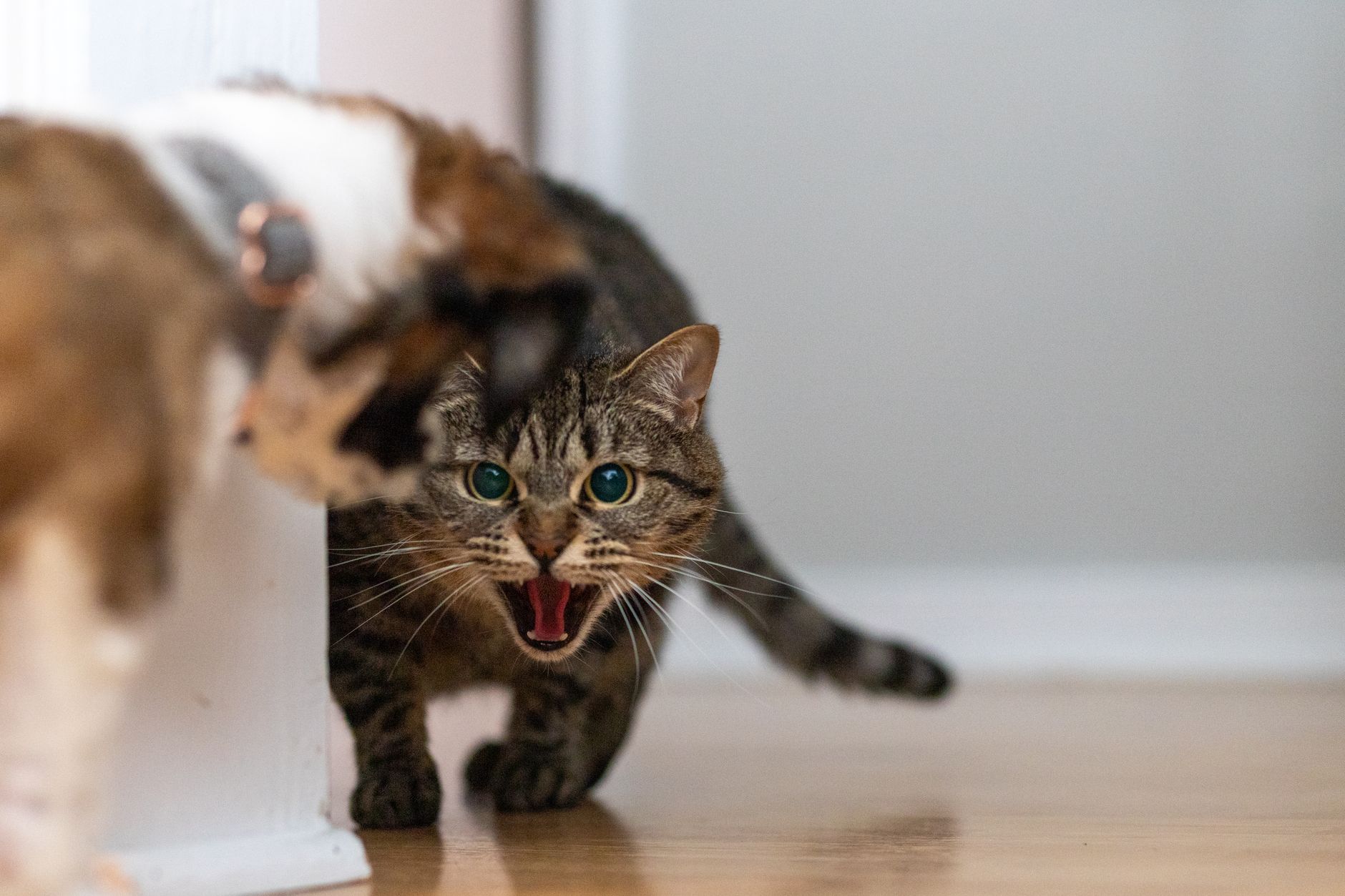
The idea of a cat and dog becoming inseparable companions is appealing, but successful interspecies relationships rarely happen by accident. A calm household depends less on the myth that cats and dogs naturally dislike each other and more on careful planning, appropriate matching, and a gradual introduction process.
Some cats and dogs eventually play, sleep together, and form strong social bonds. Others simply learn to share space peacefully. Both outcomes are successful. The primary goal should not be forcing friendship, but creating an environment where both animals feel safe and can behave naturally.
The most important factors are individual temperament, previous experiences, training, and the ability of owners to manage interactions. A well-planned introduction can dramatically improve the chances of long-term harmony, while rushing the process can create fear, stress, or dangerous conflicts.
Start With Compatibility, Not Introductions
Many problems begin before the new pet even arrives. Choosing an animal based only on appearance, breed reputation, or age can overlook the characteristics that matter most: confidence, energy level, prey drive, and social behavior.
Every dog and cat is an individual. Some dogs naturally ignore cats, while others become highly focused on chasing them. Likewise, some cats adapt quickly to change, while others experience significant stress when another animal enters their territory.
Evaluating a dog before adding a cat
Dogs with a strong chase response require special consideration. A dog that fixates on small animals, lunges toward cats outdoors, or cannot disengage from movement may not be a safe match for a feline housemate without professional behavior support.
Even friendly dogs can unintentionally injure cats. Large dogs may harm a cat through rough play alone, especially if they do not understand appropriate boundaries.
Before adoption, owners should consider:
- Whether the dog responds reliably to basic commands.
- How the dog reacts to cats, small animals, and fast movement.
- The dog’s energy level compared with the cat’s personality.
- Whether professional training may be needed before introductions.
Evaluating a cat before adding a dog
Cats that are confident, adaptable, and familiar with dogs often adjust more easily. A highly fearful or easily stressed cat may find a dog’s presence overwhelming, particularly in a small living space where escape options are limited.
Older cats may also require more time to adjust because they are often less tolerant of major changes. That does not mean senior cats cannot live with dogs, but expectations should be realistic and the introduction process should move slowly.
Prepare the Home Before the First Meeting
A common mistake is bringing the new pet home and allowing immediate interaction. Instead, the household should be arranged so each animal has secure resources and a place to retreat.
For a new cat, this usually means creating a dedicated safe room containing:
- A litter box placed away from food and water.
- Comfortable hiding areas.
- Scratching surfaces and enrichment items.
- A secure door that prevents accidental encounters.
For a dog, preparation often involves reinforcing obedience skills. Commands such as sit, stay, and leave it provide owners with practical control during early interactions.
Food and litter management also require planning. Many dogs are attracted to cat food and litter boxes, while cats may become uncomfortable if a dog constantly approaches their resources. Feeding areas and litter boxes should be positioned where the cat can access them without interference.
The Introduction Process: Slow Exposure Works Best
Successful introductions are based on gradual desensitization. The animals should learn that the other pet’s presence predicts normal, positive experiences rather than danger or competition.
Step 1: Begin with scent exchange
Scent is one of the most important ways cats and dogs gather information. Before face-to-face meetings, allow each animal to investigate the other’s smell.
This can be done by exchanging bedding, blankets, or cloth items that carry each pet’s scent. The goal is familiarity without pressure.
Step 2: Allow controlled exploration
Once both animals appear comfortable with the other’s scent, allow them to explore each other’s areas separately.
For example, the dog can investigate the cat’s safe room while the cat explores the rest of the home later. This allows each animal to process the new information without the stress of direct contact.
Step 3: Conduct supervised visual meetings
The first direct meetings should be controlled and brief. A dog should generally remain on a leash, while the cat should have the freedom to move away or retreat.
Owners should watch body language carefully:
| Animal | Positive Signs | Warning Signs |
|---|---|---|
| Dog | Relaxed posture, responding to commands, calmly observing. | Staring, stiff body language, lunging, intense fixation, chasing attempts. |
| Cat | Normal grooming, curiosity, relaxed movement, choosing to stay nearby. | Persistent hiding, defensive aggression, extreme fear, inability to relax. |
Meetings should end before either animal becomes overwhelmed. Several short successful interactions are more valuable than one long stressful encounter.
Kittens and Puppies Need Extra Supervision
Young animals often adapt quickly, but their small size makes them vulnerable. A puppy may not understand how fragile a kitten is, and playful behavior can become dangerous without supervision.
Likewise, kittens can annoy older dogs by constantly initiating play. A tolerant adult dog may cope well, while another may become frustrated.
When raising a puppy and kitten together, owners should still provide separate training, individual attention, and appropriate boundaries.
Common Mistakes That Reduce Success
- Forcing interaction: Holding a cat near a dog or preventing escape removes the cat’s sense of control.
- Ignoring early warning signs: Fixation, fear, and tension should be addressed before they escalate.
- Leaving pets alone too soon: Even animals that appear friendly can react differently without supervision.
- Assuming breed guarantees behavior: Individual temperament matters more than breed labels.
- Expecting instant friendship: Peaceful coexistence is a realistic and successful outcome.
When Professional Help Is the Right Choice
Some introductions require expert guidance. A certified trainer or veterinary behavior professional can help evaluate risk, interpret body language, and create a structured behavior plan.
Professional assistance is especially important when a dog shows predatory behavior toward cats, when either animal displays severe anxiety, or when previous introductions have resulted in aggression.
Seeking help early is often easier and safer than trying to correct a serious conflict after it develops.
A Successful Cat-Dog Relationship Is Built on Trust
Cats and dogs can absolutely share a home, but the best relationships develop when owners respect the needs and limitations of both species. Some pairs become close companions, while others simply establish a comfortable routine of mutual tolerance.
The measure of success is not whether a cat and dog cuddle together. It is whether both animals can eat, sleep, play, and move through the home without fear.
With careful matching, thoughtful preparation, and a patient introduction process, many households can give both a cat and a dog the safe, stable environment they need to thrive.