Choosing or identifying a dog is about more than appearance. Dogs vary widely in size, behavior, energy level, instincts, and care requirements. The “right” kind of dog depends on how a dog’s natural traits align with a person’s lifestyle, environment, and expectations.
Modern dogs come from hundreds of breeds and countless mixed-breed combinations. Each type carries a history shaped by selective breeding for specific roles, from hunting and herding to companionship and protection. Understanding these differences helps owners make better decisions and avoid choosing a dog based only on looks.
Dog types are defined by more than breed names
A dog’s breed can provide clues about likely behaviors, but it does not determine every aspect of personality. Genetics, early experiences, training, health, and environment all influence how an individual dog behaves.
Two dogs from the same breed can have different personalities. One may be calm and independent, while another may be highly active and social. Breed information is useful as a guide, not a guarantee.
The major groups of dogs and their traditional roles
| Dog group | Traditional purpose | Common traits |
|---|---|---|
| Herding dogs | Developed to control and manage livestock. | Often intelligent, energetic, responsive, and highly trainable. |
| Sporting dogs | Bred to assist with hunting activities. | Usually active, people-oriented, and eager to work. |
| Working dogs | Used for tasks such as guarding, pulling, and rescue. | Often strong, focused, and capable of handling structured jobs. |
| Terriers | Bred for controlling pests and hunting small animals. | Frequently confident, energetic, and determined. |
| Hounds | Developed for tracking and hunting. | Often have strong instincts, independence, and endurance. |
| Toy dogs | Bred primarily as companions. | Typically smaller in size and adapted to close human interaction. |
| Non-sporting dogs | Developed for varied purposes. | Traits differ significantly between breeds. |
Popular dog types and what they may be like
High-energy dogs
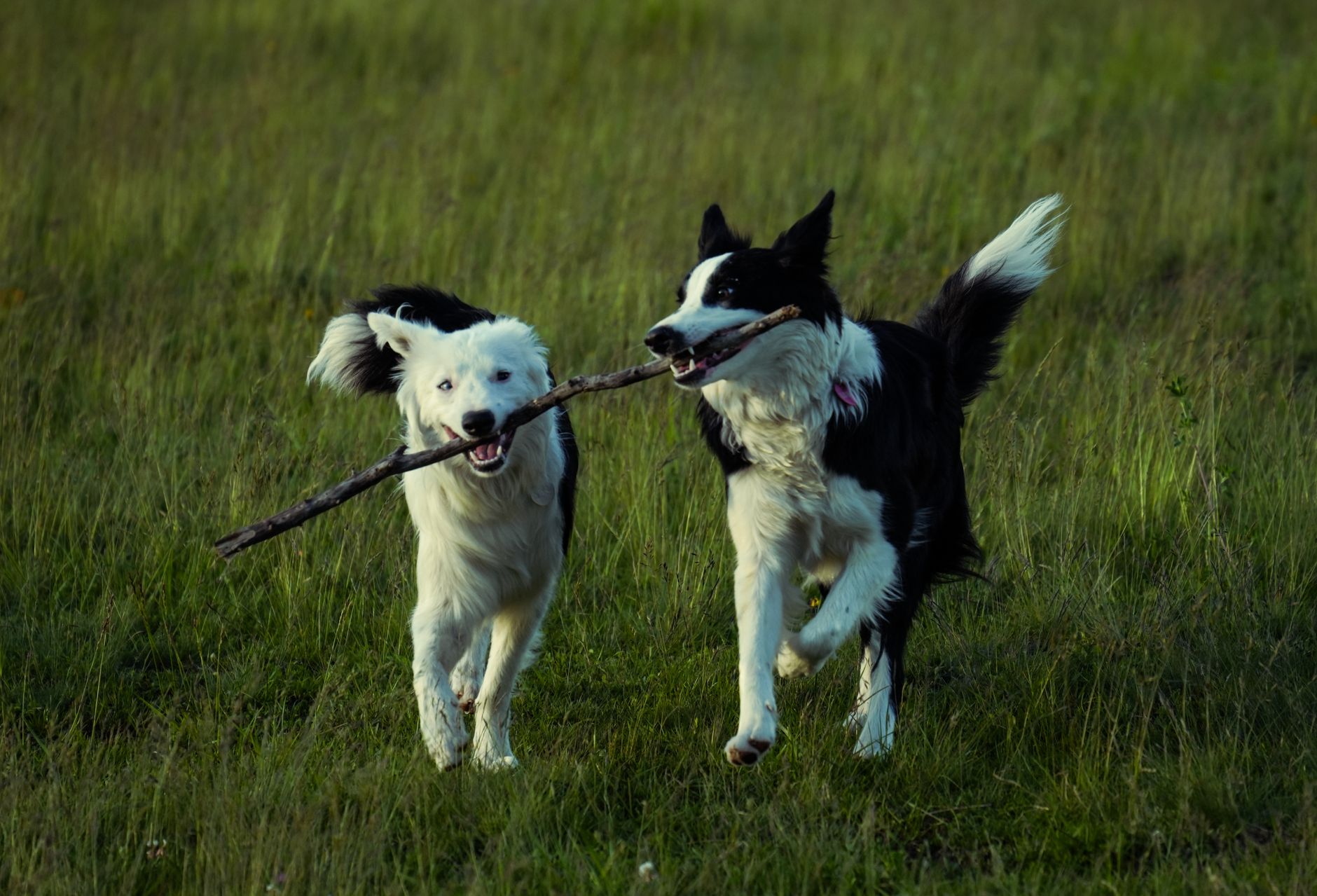
Some dogs need substantial daily activity and mental stimulation. Breeds developed for work, herding, or hunting often perform best when they have structured activities, training sessions, or tasks to complete.
These dogs can be excellent companions for active owners but may become frustrated or develop unwanted behaviors when their physical and mental needs are ignored.
Companion-focused dogs
Many small breeds and companion breeds were developed primarily to live closely with humans. They may adapt well to apartments or quieter households, although small size does not always mean low energy.
Independent dogs
Some breeds were created to work with less human direction. These dogs may be intelligent and capable but can require patient training because they are more likely to make their own decisions.
Protective and guardian dogs
Certain working breeds have natural guarding instincts. These dogs often require responsible socialization and consistent training to help them become confident and well-adjusted household members.
How to determine what kind of dog you have
Identifying a dog’s type can be challenging, especially for mixed-breed dogs. Physical appearance alone often provides incomplete information because many traits overlap between breeds.
Useful methods include:
- Observation: Look at size, coat type, body structure, behavior, and activity preferences.
- History: Adoption records or breeder information may provide clues about ancestry.
- Veterinary assessment: A veterinarian can help evaluate physical characteristics and health-related traits.
- DNA testing: Commercial dog DNA tests can estimate breed ancestry, although results should be interpreted as estimates rather than absolute labels.
Choosing a dog based on lifestyle instead of appearance
A common mistake is selecting a dog because of appearance while overlooking daily care requirements. A large, active dog may struggle in a home without enough exercise opportunities. A small dog may still require significant training and attention.
Before choosing a dog, consider:
- How much time is available for exercise and training.
- The size and environment of the home.
- Experience with dog ownership.
- Grooming and healthcare needs.
- Compatibility with children, pets, and daily routines.
What kind of dog matches your personality?
People often compare themselves to dog breeds because different breeds have recognizable reputations. An energetic person may relate to an active working breed, while someone who prefers calm routines may identify with a more relaxed companion dog.
However, personality comparisons are mostly for entertainment. Dogs are individuals, and responsible ownership depends more on understanding their needs than finding a breed that represents a person’s identity.
The best dog is the one whose needs fit your life
There is no single “best” type of dog. Every breed and mixed-breed dog has advantages and challenges. The most successful human-dog relationships come from matching expectations with reality.
Learning about dog types helps owners provide better care, choose appropriate training methods, and build a relationship based on understanding rather than assumptions.