When a dog starts sneezing, coughing, or showing signs of a runny nose, many owners wonder whether their pet has caught the same type of cold that humans experience. The answer is both yes and no. Dogs can develop respiratory illnesses with symptoms that look similar to a human cold, but the viruses and conditions involved are usually different from the common colds that affect people.
A dog’s immune system can respond to many types of infections and irritants, causing symptoms such as sneezing, congestion, coughing, fatigue, or watery eyes. However, human cold viruses generally do not infect dogs, and dogs do not typically catch a person’s ordinary cold. Instead, respiratory symptoms in dogs are usually caused by dog-specific viruses, bacteria, allergies, environmental factors, or other health conditions.
Do Dogs Get Colds?
Dogs can experience cold-like illnesses, but they do not usually get the same colds that humans do. The term “cold” is commonly used to describe a mild upper respiratory infection, but in veterinary medicine, similar symptoms can have many different causes.
A dog that is sneezing or coughing may have a minor irritation, a contagious respiratory infection, allergies, or another underlying condition. Because many different problems can produce similar symptoms, it is important not to assume every case is simply a harmless cold.
Why Dogs Do Not Catch Human Colds
Most viruses are adapted to specific species. The viruses responsible for many common human colds are designed to infect humans and generally cannot reproduce effectively in dogs. This species barrier helps explain why your dog is unlikely to catch your seasonal cold.
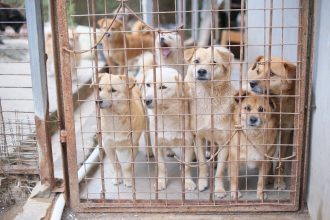
However, dogs do have their own respiratory illnesses. These infections can spread between dogs, especially in environments where many animals are close together, such as shelters, boarding facilities, dog parks, training classes, and grooming locations.
Common Causes of Cold-Like Symptoms in Dogs
| Cause | Possible Symptoms |
|---|---|
| Canine respiratory infections | Coughing, sneezing, nasal discharge, tiredness, and reduced appetite. |
| Environmental irritation | Sneezing or coughing caused by smoke, dust, perfumes, or chemicals. |
| Allergies | Itching, sneezing, watery eyes, skin irritation, or recurring symptoms. |
| Other health conditions | Respiratory changes that may require veterinary evaluation. |
Signs Your Dog May Be Sick
Dogs cannot explain how they feel, so owners need to watch for changes in behavior and physical condition. A mild respiratory issue may resolve on its own, but certain symptoms can indicate that veterinary advice is needed.
- Sneezing or coughing: Occasional sneezing may be harmless, but frequent coughing or persistent symptoms deserve attention.
- Nasal discharge: Clear discharge can occur with irritation, while thick or unusual discharge may suggest infection.
- Low energy: A noticeable decrease in activity can signal illness.
- Loss of appetite: Refusing food may indicate that a dog is not feeling well.
- Breathing difficulties: Labored breathing or unusual respiratory sounds require prompt veterinary care.
Can Dogs Catch the Flu?
Dogs can be affected by certain influenza viruses, but canine influenza is different from the seasonal flu viruses that commonly infect humans. Canine influenza can spread between dogs and may cause coughing, fever, nasal discharge, tiredness, and reduced appetite.
Not every dog exposed to respiratory viruses becomes seriously ill. However, puppies, older dogs, and dogs with weakened immune systems may be more vulnerable to complications. Vaccination and preventive care may be recommended depending on a dog’s lifestyle and exposure risk.
How Dogs Catch Respiratory Infections
Many dog respiratory illnesses spread through droplets released when infected animals cough or sneeze. Direct contact with contaminated surfaces, shared water bowls, toys, or close interaction with infected dogs can also contribute to transmission.
Dogs that frequently interact with other animals may have higher exposure risk. This does not mean social activities should always be avoided, but owners should be aware of symptoms and practice responsible health precautions.
What You Can Do If Your Dog Has Cold-Like Symptoms
If your dog appears mildly unwell, supportive care can help them stay comfortable while their immune system responds. Rest, hydration, and a calm environment are often important parts of recovery.
- Provide access to fresh water.
- Allow your dog extra rest and avoid strenuous activity.
- Keep your dog comfortable in a warm, draft-free area.
- Monitor appetite, energy levels, and symptoms.
- Contact a veterinarian if symptoms worsen or persist.
Can You Give a Dog Human Cold Medicine?
Human cold medications should not be given to dogs unless specifically directed by a veterinarian. Many medicines designed for people contain ingredients that can be dangerous or toxic to pets.
A veterinarian can recommend safe treatment options based on the dog’s symptoms, age, size, medical history, and the suspected cause of illness. Treating a dog without professional guidance can accidentally make the situation worse.
When Should You Call a Veterinarian?
Some mild symptoms may improve with time, but certain warning signs should not be ignored. Veterinary guidance is especially important when a dog has difficulty breathing, extreme tiredness, persistent coughing, dehydration, fever, or refuses food and water.
Puppies, senior dogs, pregnant dogs, and pets with existing medical conditions may need attention sooner because they can be more vulnerable to illness.
How to Reduce the Risk of Respiratory Illness
Preventing every illness is impossible, but good daily care can reduce risks and help dogs maintain a strong immune system.
- Keep vaccinations and routine veterinary visits up to date.
- Avoid close contact with visibly sick dogs.
- Maintain good hygiene around shared pet items.
- Provide a balanced diet and appropriate exercise.
- Pay attention to early changes in behavior or health.
The Bottom Line
Dogs can get illnesses that look similar to human colds, but they usually do not catch the same cold viruses that affect people. Sneezing, coughing, and congestion in dogs can have many causes, ranging from minor irritation to contagious respiratory infections.
The best approach is to observe your dog carefully, avoid giving human medications, and seek veterinary advice when symptoms are severe, unusual, or persistent. Understanding the difference between a harmless sniffle and a potential health concern helps keep dogs comfortable and healthy.