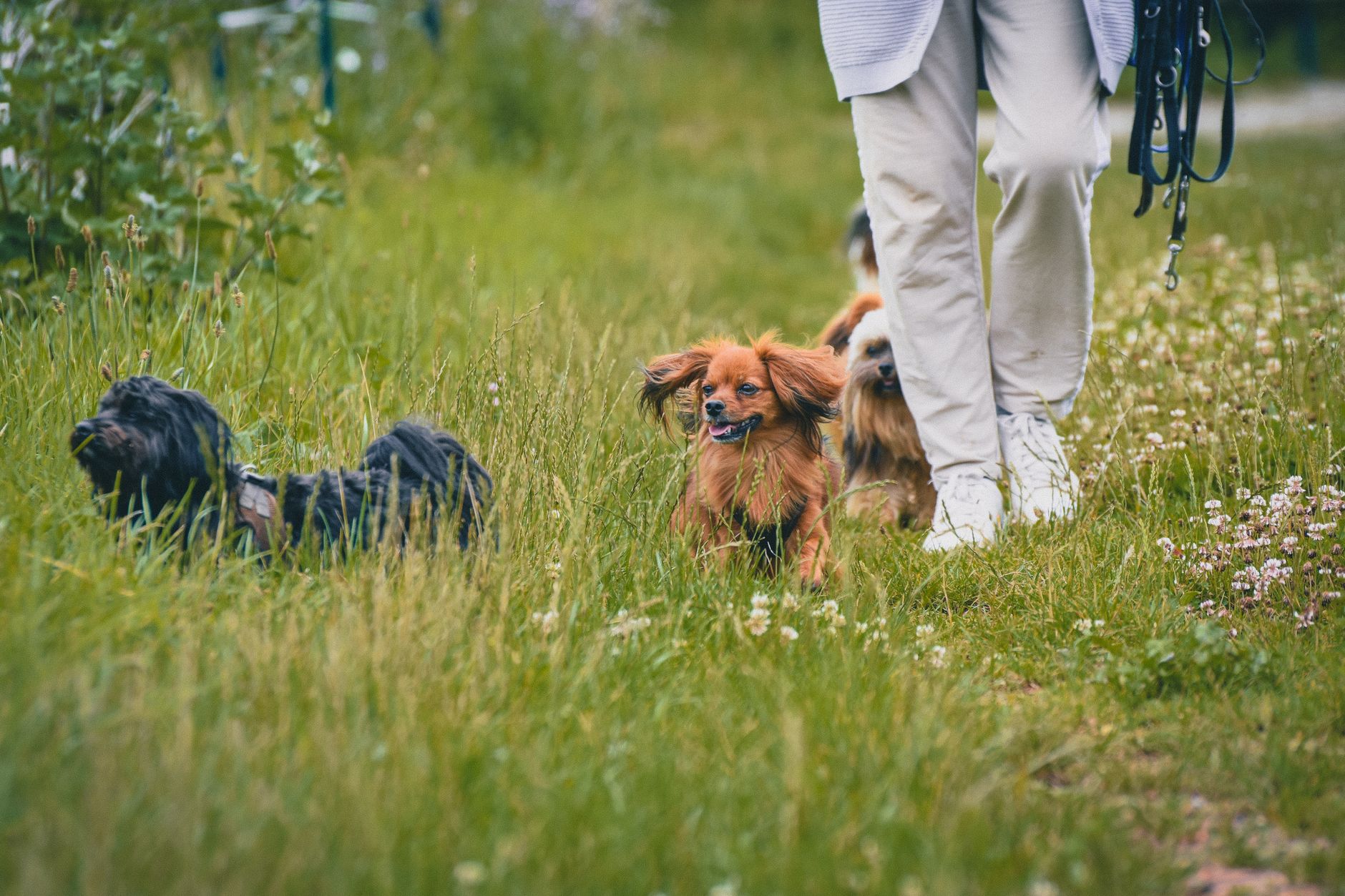
Taking care of a dog involves far more than providing food and shelter. Dogs depend on consistent human support for their physical health, emotional security, training, and overall quality of life. Responsible ownership requires understanding a dog’s biological needs, behavior patterns, and changing requirements throughout different life stages.
Modern veterinary guidance emphasizes preventive care, proper nutrition, enrichment, and early attention to behavioral or medical changes. A well-cared-for dog is not simply a pet with basic needs met, but an animal living in an environment designed around safety, health, and positive interaction.
Start with the foundation: nutrition, water, and routine
Food is one of the most important parts of dog care, but choosing the right diet requires more than selecting a popular brand. Dogs have different nutritional needs depending on their age, size, activity level, health status, and breed characteristics.
Puppies require diets that support growth and development. Adult dogs need balanced nutrition to maintain healthy body condition, while senior dogs may require adjustments based on mobility, digestion, or chronic health concerns.
| Life stage | Main care priorities |
|---|---|
| Puppy | Growth nutrition, vaccination schedule, socialization, basic training |
| Adult | Weight management, exercise, preventive healthcare, enrichment |
| Senior | Mobility support, health monitoring, adjusted nutrition, comfort care |
Fresh water should always be available. Dehydration can quickly become dangerous, especially during hot weather, illness, or periods of increased activity.
Preventive veterinary care protects long-term health
Many serious health problems are easier to manage when detected early. Regular veterinary visits allow professionals to monitor changes that may not be obvious to owners.
- Routine physical examinations
- Vaccinations based on risk and local recommendations
- Parasite prevention for fleas, ticks, and worms
- Dental examinations and oral care
- Screening for age-related health problems
Preventive care is often more cost-effective than treating advanced disease. Waiting until a dog shows severe symptoms can limit treatment options and increase discomfort.
Exercise is about physical and mental health
Dogs need movement, but exercise requirements vary significantly between individuals. A young working breed may need much more activity than an older companion dog with lower energy needs.
Exercise supports cardiovascular health, muscle strength, healthy weight, and emotional balance. It also reduces boredom-related behaviors such as destructive chewing, excessive barking, and restlessness.
Different dogs need different activities
- Walking provides physical activity and environmental stimulation.
- Play sessions strengthen the human-dog relationship.
- Training games challenge problem-solving skills.
- Sniffing activities allow dogs to use natural behaviors.
A common mistake is focusing only on tiring a dog physically. Mental stimulation is equally important because dogs are not machines that simply need their energy drained. They are social animals with cognitive needs.
Training creates communication, not just obedience
Training helps dogs understand expectations and gives owners better ways to guide behavior. Effective training focuses on consistency, clear signals, and positive reinforcement.
Basic skills such as recall, walking politely on a leash, waiting, and responding to simple cues improve safety in everyday situations.
- Use clear and consistent commands.
- Reward behaviors you want to encourage.
- Practice in different environments gradually.
- Avoid confusing rules that change from day to day.
Punishment-based methods can increase fear and damage trust. Modern behavior science supports reward-based approaches because they encourage learning while maintaining a positive relationship between dogs and humans.
Socialization shapes confidence
Socialization is not simply introducing a dog to as many people and animals as possible. Effective socialization means controlled, positive exposure to different environments, sounds, surfaces, people, and experiences.
Puppies have important developmental periods when careful exposure can influence future confidence. However, adult dogs can also learn and adapt with appropriate training and patience.
Grooming and hygiene are part of health care
Grooming is not only about appearance. Regular maintenance helps identify skin problems, parasites, injuries, and other health changes early.
- Brush according to coat type.
- Keep nails trimmed to prevent discomfort and movement problems.
- Check ears regularly for signs of irritation or infection.
- Maintain dental hygiene through appropriate methods.
- Bathe when needed without excessive washing that can irritate the skin.
Creating a safe home environment
A safe home reduces preventable accidents. Dogs explore with their mouths and can easily access dangerous objects if owners do not consider their environment from a dog’s perspective.
- Store medications and chemicals securely.
- Keep toxic foods away from pets.
- Provide safe sleeping and resting areas.
- Use appropriate identification methods such as tags and microchipping.
- Secure dangerous outdoor areas.
Understanding emotional needs
Dogs are social animals that form strong attachments with humans. Emotional neglect can affect behavior and wellbeing even when physical needs are met.
Quality time, predictable routines, play, and gentle interaction help dogs feel secure. Owners should also recognize signs of stress, including excessive hiding, destructive behavior, sudden aggression, or changes in eating habits.
Common mistakes new dog owners make
| Mistake | Why it causes problems |
|---|---|
| Inconsistent rules | Dogs receive unclear signals about expected behavior |
| Ignoring weight management | Excess weight increases health risks |
| Skipping preventive care | Health problems may remain unnoticed |
| Insufficient enrichment | Boredom can contribute to unwanted behaviors |
| Choosing a dog based only on appearance | Temperament and lifestyle compatibility are overlooked |
Adapting care throughout a dog’s lifetime
Dog care is not a fixed checklist. A puppy, an adult dog, and a senior dog have different physical and behavioral needs. Responsible owners adjust routines as their dogs age.
Changes in appetite, mobility, behavior, sleep patterns, or bathroom habits should not be dismissed as normal aging. They can indicate medical issues that require evaluation.
The goal of responsible dog ownership
Caring for a dog means managing many small responsibilities every day. Nutrition, healthcare, training, safety, exercise, and companionship all contribute to a dog’s wellbeing.
The best owners are not those who never face challenges. They are those who continue learning, adapting, and making decisions based on the dog’s physical and emotional needs.