Dogs communicate constantly, but they rarely use words. Instead, they rely on body language, vocalizations, facial expressions, movement, and daily habits to express their emotions and needs. For many owners, understanding what it means when a dog behaves in a certain way can feel like learning a new language, especially when the same action can have different meanings depending on the situation.
A dog wagging its tail, licking a person, staring, barking, sleeping in unusual places, or following someone around may be communicating something important. The challenge is that dog behavior is shaped by personality, environment, past experiences, health, and the relationship between the dog and its owner.
Rather than looking at a single behavior as a guaranteed sign, it is more accurate to consider the full context. A dog’s posture, surroundings, and repeated patterns provide the clues needed to understand what it is trying to say.
Why Understanding Dog Behavior Matters
Learning how dogs communicate helps owners respond appropriately and build stronger relationships with their animals. Many common misunderstandings happen because humans interpret dog behavior through a human perspective instead of considering natural canine communication.
For example, a dog that avoids eye contact may not be ignoring its owner. It may be showing uncertainty or trying to reduce tension. Similarly, barking does not always mean aggression. A dog may bark because it is excited, fearful, frustrated, alerting someone, or simply trying to interact.
Recognizing these differences can improve training, reduce stress, and help identify potential health or emotional concerns earlier.
What Does It Mean When a Dog Wags Its Tail?
Tail wagging is one of the most recognized dog behaviors, but it is often misunderstood. A wagging tail does not automatically mean a dog is happy or friendly. The meaning depends on the speed, direction, height, and overall body language.
A relaxed dog may wag its tail loosely while keeping a soft body posture. A highly excited dog may wag rapidly with full-body movement. However, a stiff tail held high with tense muscles may indicate alertness or uncertainty rather than friendliness.
Owners should look at the entire dog, including:
- Ear position
- Facial expression
- Body stiffness
- Vocalizations
- The situation causing the reaction
What Does It Mean When a Dog Licks You?
Licking is a common behavior that can have several explanations. Dogs may lick people as a social behavior, a way to seek attention, or because they have learned that licking produces a response.
Some dogs lick because it is comforting or because they are showing affection. Others may lick excessively due to stress, boredom, or a desire for interaction. Occasional licking is usually normal, but sudden changes in licking habits may deserve attention.
The meaning depends on when and how the licking happens. A dog licking during a calm greeting is different from a dog repeatedly licking itself or a person while appearing anxious.
What Does It Mean When a Dog Follows You Everywhere?
Many dogs naturally form strong attachments to their human companions. Following someone from room to room is often a sign of social bonding because dogs are naturally group-oriented animals.
A dog may follow its owner because it enjoys companionship, expects something positive, or wants to understand what is happening. However, extreme dependence can sometimes be linked to separation-related problems, especially if the dog becomes distressed when left alone.
Healthy attachment usually includes the ability to relax independently. A dog that cannot settle without constant access to a person may benefit from confidence-building exercises and gradual independence training.
What Does It Mean When a Dog Barks?
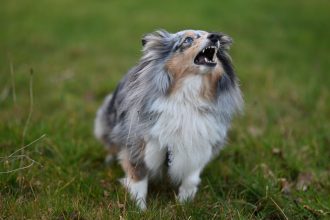
Barking is one of the main ways dogs communicate. It can express many different emotions, and the meaning often depends on the sound, frequency, and situation.
| Barking Pattern | Possible Meaning |
|---|---|
| Short alert barks | The dog noticed something unusual. |
| Repeated excited barking | The dog may be stimulated, playful, or seeking interaction. |
| Low, tense barking | The dog may feel threatened or uncomfortable. |
| Persistent barking when alone | Could indicate boredom, frustration, or separation-related distress. |
Stopping barking effectively requires understanding the reason behind it. Treating all barking as the same behavior can make training less successful.
What Does It Mean When a Dog Stares at You?
A dog staring at a person can have several meanings. In a relaxed setting, a dog may look at its owner because it is seeking attention, waiting for a cue, or simply observing.
Dogs also use eye contact during communication. Many dogs have developed sensitivity to human facial expressions and gestures, which helps them cooperate with people.
However, prolonged staring combined with a stiff posture, growling, or defensive behavior can signal discomfort or a challenge. Context determines whether the stare is friendly, curious, or concerning.
What Does It Mean When a Dog Rolls Onto Its Back?
A dog exposing its belly is often interpreted as an invitation for a belly rub, but this is not always the case. Some dogs roll over because they feel relaxed, while others do so as a calming signal when they feel uncertain.
A relaxed dog may have loose muscles, a soft expression, and an open posture. A nervous dog may appear tense, avoid eye contact, or keep its body rigid.
Understanding the difference helps owners avoid forcing interaction when a dog is actually communicating discomfort.
What Does It Mean When a Dog Whines?
Whining is another form of communication that can indicate many different things. Puppies often whine when they need attention, feel uncomfortable, or are adjusting to a new environment. Adult dogs may whine because they want something, feel anxious, or are experiencing physical discomfort.
Sudden or unusual whining should not be ignored because changes in vocal behavior can sometimes be connected to illness or pain. Looking for additional signs, such as changes in appetite, movement, or energy levels, can provide important clues.
How Dogs Communicate Through Body Language
Much of dog communication happens without sound. Body language provides valuable information about emotional state and intention.
Common signals include:
- Relaxed posture: Comfort and confidence.
- Yawning or lip licking: Possible stress or uncertainty in some situations.
- Raised hackles: Increased arousal or excitement, not always aggression.
- Cowering or avoiding: Fear, discomfort, or submission.
- Play bow: An invitation for playful interaction.
Because individual dogs vary, owners should learn their own dog’s normal behaviors before interpreting changes.
When Changes in Behavior May Signal a Problem
Behavior changes are sometimes the first indication that something is wrong. A normally social dog becoming withdrawn, a calm dog becoming unusually reactive, or a house-trained dog having accidents may signal stress, discomfort, or a medical issue.
Owners should pay attention to changes that are sudden, persistent, or combined with physical symptoms. A veterinarian or qualified behavior professional can help determine whether the cause is medical, emotional, or environmental.
Building Better Communication With Your Dog
The strongest human-dog relationships develop when both sides learn to understand each other. Dogs are constantly communicating, but their signals are often subtle. Paying attention to patterns rather than isolated behaviors creates a clearer picture of what a dog is experiencing.
Patience, positive training methods, and careful observation allow owners to respond to their dogs more effectively. Understanding what it means when a dog behaves a certain way is not about decoding a single universal meaning—it is about recognizing the individual animal behind the behavior.
When people learn to listen to dogs through body language and context, everyday interactions become easier, training becomes more effective, and the bond between humans and dogs becomes stronger.
“`