When a dog becomes sick, the first challenge for many owners is determining how serious the problem is. Dogs cannot explain where they hurt or what feels wrong, so changes in behavior, appetite, energy, and bathroom habits become important clues.
The right response depends on the symptoms, how quickly they develop, and your dog’s normal health pattern. Some mild problems improve with careful monitoring, while others require immediate veterinary attention. Recognizing the difference can prevent small issues from becoming serious complications. :contentReference[oaicite:0]{index=0}
Start by identifying what has changed
Owners usually know their dogs’ normal routines better than anyone. A dog that suddenly stops playing, refuses food, hides, drinks much more than usual, or behaves differently may be showing an early sign of illness.
| Change you notice | Possible concern |
|---|---|
| Loss of appetite | Digestive problems, pain, stress, infection, or other medical conditions |
| Low energy or unusual tiredness | Illness, discomfort, fever, or systemic problems |
| Vomiting or diarrhea | Mild stomach upset, dietary issues, infection, toxins, or other health concerns |
| Behavior changes | Pain, fear, neurological issues, or general discomfort |
| Changes in drinking or urination | Possible metabolic, kidney, urinary, or other medical problems |
A single unusual behavior does not always indicate a serious illness. However, repeated symptoms, worsening conditions, or multiple symptoms appearing together deserve closer attention. :contentReference[oaicite:1]{index=1}
Common signs that your dog may be unwell
Dogs often hide discomfort, especially in the early stages of illness. Owners should pay attention to physical and behavioral signals.
- Reduced appetite: A dog that refuses food may have anything from temporary stomach upset to a more serious condition.
- Vomiting or diarrhea: Occasional mild digestive upset can happen, but repeated episodes, blood, weakness, or dehydration require veterinary guidance.
- Excessive sleeping: Resting more than normal can indicate fatigue, pain, infection, or illness.
- Changes in movement: Limping, difficulty standing, stiffness, or reluctance to move may signal injury or pain.
- Unusual breathing: Difficulty breathing, abnormal breathing effort, or changes in gum color can indicate an emergency.
What you can do at home while monitoring your dog
If your dog has mild symptoms and is otherwise alert, comfortable, and behaving mostly normally, careful observation can help you decide whether veterinary care is needed.
- Provide access to clean water.
- Keep your dog comfortable in a quiet environment.
- Monitor eating, drinking, urination, and bowel movements.
- Record when symptoms started and whether they are improving or worsening.
- Avoid giving human medications unless specifically instructed by a veterinarian.
Many human medications can be unsafe for dogs, and treating symptoms without understanding the cause may delay proper care. :contentReference[oaicite:2]{index=2}
When vomiting or diarrhea becomes concerning
Digestive problems are among the most common reasons dogs appear sick. Mild cases may resolve, but persistent symptoms can lead to dehydration and may indicate a more serious condition.
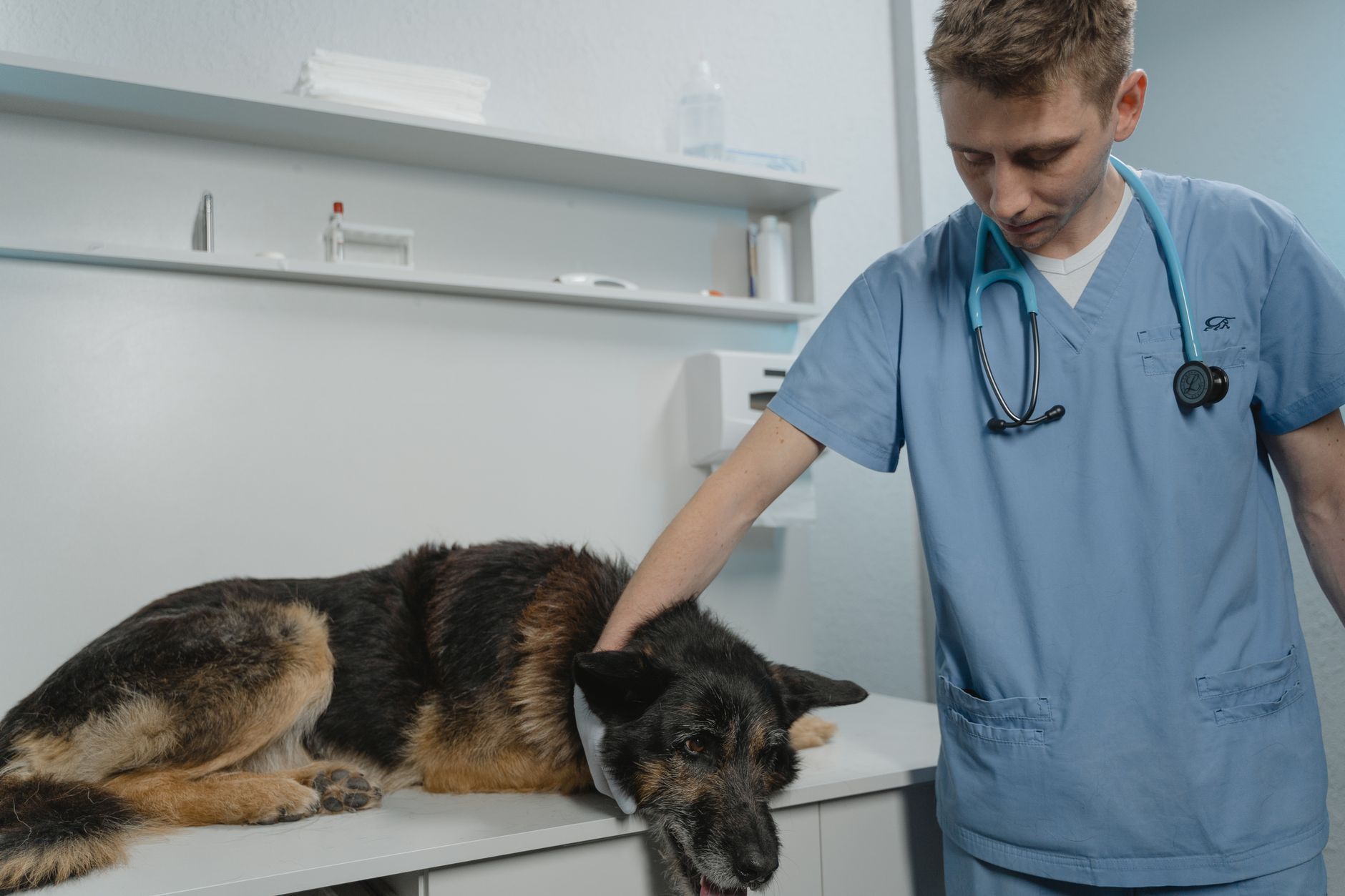
Contact a veterinarian if vomiting or diarrhea is prolonged, severe, contains blood, occurs with weakness or loss of appetite, or affects a puppy, senior dog, or dog with existing health problems. :contentReference[oaicite:3]{index=3}
Emergency warning signs that should not wait
Some symptoms require urgent veterinary attention because they may indicate life-threatening conditions.
- Difficulty breathing or severe breathing changes.
- Collapse, inability to stand, or extreme weakness.
- Seizures or sudden confusion.
- Possible poisoning or exposure to toxic substances.
- Repeated attempts to vomit without producing anything, especially with abdominal swelling.
- Heavy bleeding or pale, blue, or abnormal-looking gums.
Emergency signs can develop quickly, and delaying care may increase the risk of complications. :contentReference[oaicite:4]{index=4}
Preparing useful information for your veterinarian
When contacting a veterinary clinic, clear information helps the medical team assess the situation more accurately.
- When the symptoms started.
- What changes you have noticed.
- Any recent diet changes or unusual foods consumed.
- Possible exposure to medications, chemicals, plants, or toxins.
- Your dog’s age, breed, medical history, and current medications.
Small details can help veterinarians narrow down possible causes and determine the appropriate next steps.
Why early action matters
Dogs often show illness differently from humans. A subtle change in appetite, behavior, or energy may be the first visible sign of a developing problem. Monitoring your dog regularly and acting when something seems abnormal improves the chance of receiving timely treatment.
The goal is not to diagnose every illness at home. The goal is to recognize when your dog needs support and avoid waiting until symptoms become severe.