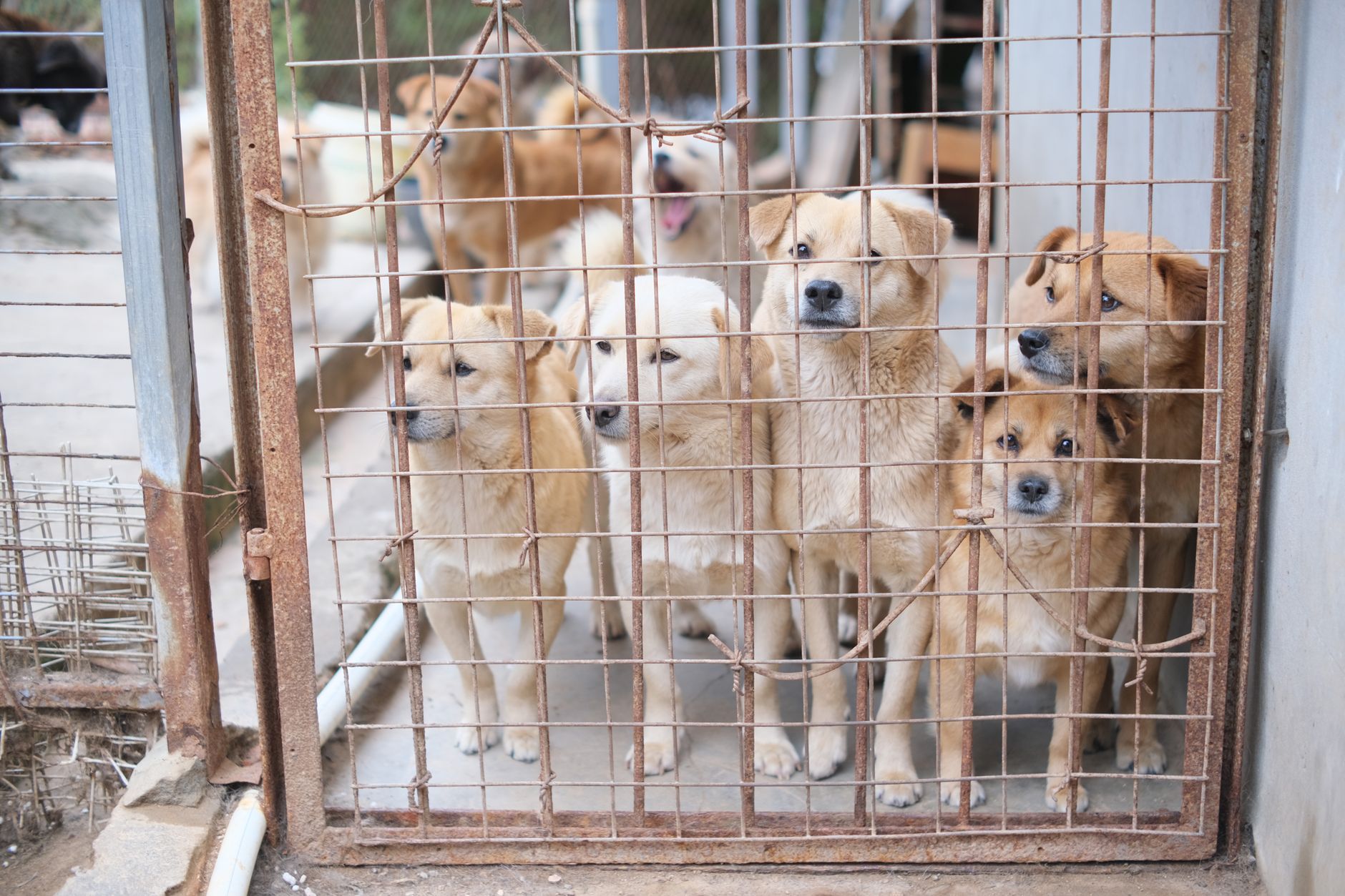
Knowing where to buy a dog is less about finding the nearest seller and more about verifying where the dog came from, what is known about its health and behavior, and whether the person or organization placing it is acting responsibly.
Prospective owners generally encounter dogs through responsible breeders, animal shelters, rescue organizations, and private rehoming situations. Each route has advantages and limitations. The right choice depends on whether you want a particular breed, are open to an adult dog, need a predictable size or coat type, and how much verified background information is important to you.
Choose the Source Before Choosing the Individual Dog
An appealing photograph can make it tempting to commit immediately, but evaluating the source first can prevent significant problems later.
A responsible source should be willing to answer basic questions about the dog rather than focusing exclusively on payment and collection.
Before discussing a deposit, ask:
- Where did the dog come from?
- How old is it?
- What health information is available?
- What veterinary care has already been provided?
- What is known about its behavior?
- Why is the dog being sold or rehomed?
- What documentation will be provided?
The answers may differ between a breeder and a rescue organization, but transparency should be expected from both.
Responsible Breeders Are an Option When Breed Predictability Matters
Buying from a breeder may make sense when you are looking for a particular breed and want more information about parentage, expected size, coat characteristics, or other inherited traits.
The important distinction is between someone who happens to produce puppies and someone who approaches breeding responsibly.
A breeder worth considering should be prepared to discuss:
- the puppy’s parents;
- temperament of the breeding dogs;
- health information relevant to the breed;
- how and where puppies are raised;
- early socialization;
- veterinary care;
- the age at which puppies can leave;
- what happens if an owner later cannot keep the dog.
Responsible breeding cannot guarantee that a dog will never develop a medical or behavioral problem. It can, however, provide greater transparency about the decisions made before the puppy was born.
A Good Breeder Will Usually Evaluate You Too
Buyers sometimes view extensive questions from a breeder as inconvenient. In reality, a breeder who wants to know about your housing, schedule, dog experience, family, and expectations may be trying to determine whether the puppy is going to an appropriate home.
A seller who appears indifferent to where the dog goes deserves more scrutiny.
The transaction should ideally work in both directions: you evaluate the breeder, and the breeder evaluates whether you can provide a suitable home.
Shelters and Rescue Groups Offer a Different Route
You do not necessarily have to purchase from a breeder to get a dog. Shelters and rescue organizations may have puppies, adolescents, adult dogs, and older animals available for adoption.
An adult dog can have practical advantages. Its approximate final size is already apparent, coat characteristics are established, and some aspects of temperament may be easier to observe than they are in a young puppy.
Rescue organizations may also have information from foster homes about how a dog behaves in a household.
The limitation is that some adopted dogs arrive without reliable histories. The organization may not know the parents, exact breed ancestry, early experiences, or complete medical background.
A trustworthy rescue should distinguish between verified information and educated estimates.
Private Rehoming Requires More Investigation
Sometimes owners need to find a new home for a dog because their circumstances have changed. A legitimate private rehoming can be a reasonable way to obtain a dog, but buyers should ask detailed questions.
Find out:
- why the dog is being rehomed;
- how long the current owner has had it;
- whether there are known medical conditions;
- whether the dog has shown aggression or significant fear;
- how it behaves around children, dogs, cats, or strangers;
- whether it is comfortable being left alone;
- what training it has received;
- what veterinary records are available.
If important behavioral or medical questions are repeatedly avoided, do not assume everything is fine simply because the dog appears friendly during a brief meeting.
Online Listings Should Be Treated as Leads, Not Proof
If you search online for where to buy dogs, you will likely encounter advertisements with attractive photographs and limited background information.
An online listing should be viewed as the beginning of the investigation rather than sufficient evidence that a dog or seller is legitimate.
Be particularly cautious when:
- the seller demands immediate payment;
- you receive conflicting information;
- basic questions about the dog’s origin are avoided;
- the seller appears to have many unrelated breeds available continuously;
- the transaction is focused almost entirely on shipping;
- the seller refuses reasonable verification;
- payment methods offer little protection;
- the price or story seems designed to force a quick emotional decision.
Do Not Judge a Seller by the Website Alone
A professional website, social media account, or polished advertisement can create credibility, but appearance alone does not establish responsible breeding or legitimate ownership.
What matters more is whether claims about the dog can be supported.
Evaluate the substance behind the presentation:
- Are health claims specific?
- Can the seller explain the dog’s background?
- Are records available where appropriate?
- Are questions answered consistently?
- Does the seller appear knowledgeable about the dogs?
Price Does Not Tell You Whether a Dog Was Responsibly Bred
A high purchase price is not proof of quality, and a low price does not automatically mean a dog is unsuitable.
Cost can be influenced by breed, location, demand, age, pedigree claims, and many other factors. None of those alone establishes responsible breeding.
The better indicators are transparency, health practices, the condition in which dogs are raised, responsible placement, and the quality of information available.
The Purchase Price Is Only the Beginning
Anyone asking how to buy a dog should calculate long-term ownership costs before committing.
Dogs can require ongoing spending on:
- food;
- routine veterinary care;
- preventive healthcare;
- training;
- grooming;
- equipment;
- boarding or pet care;
- unexpected veterinary treatment.
The difference between two initial purchase prices may ultimately be much smaller than the total cost of caring for the dog throughout its life.
Know What Type of Dog Fits Your Household
Before asking where to buy a dog, define what you can realistically manage.
| Factor | Question to Ask Yourself |
|---|---|
| Size | Can my housing and transportation accommodate the adult dog? |
| Activity | Can I consistently provide the exercise and engagement this dog may need? |
| Grooming | Am I prepared for the coat maintenance involved? |
| Training | Do I have the time and ability to teach appropriate household behavior? |
| Alone time | How many hours will the dog regularly spend without people? |
| Other animals | Will the dog need to live safely with existing pets? |
| Children | Is the individual dog appropriate for the household environment? |
| Cost | Can I afford both routine and unexpected care? |
This evaluation helps narrow the search before emotions become involved.
Breed Selection Should Be About More Than Looks
If you want a specific breed, research its typical adult characteristics rather than choosing primarily from puppy photographs.
Consider why the breed was historically developed and what that can mean for modern ownership. Different dogs may have substantial differences in exercise needs, grooming demands, size, trainability, and behavioral tendencies.
Breed information is useful for setting expectations, but it is not a guarantee of personality. Individual temperament, socialization, training, and environment remain important.
Ask for Specific Health Information
Statements such as “fully healthy” or “great bloodline” sound reassuring but provide limited useful information on their own.
Ask what those claims actually mean.
For a puppy from a breeder, this may involve discussing health information about the parents and any screening relevant to the breed. For a rescue or adult dog, it may involve available veterinary records and known medical conditions.
No responsible source can guarantee that a dog will remain healthy throughout life. Be cautious when someone makes absolute promises about future health.
Registration Papers Are Not the Same as Responsible Breeding
Pedigree or registration documents can provide useful ancestry information when they are legitimate, but those documents alone do not tell you how the dogs were raised or whether appropriate breeding decisions were made.
A stronger assessment includes several factors:
- documented ancestry where relevant;
- health practices;
- parent temperament;
- living conditions;
- early puppy development;
- socialization;
- breeder transparency.
Meet the Dog With a Purpose
If an in-person meeting is possible, use it to gather information rather than simply deciding whether the dog is cute or immediately affectionate.
Observe how the dog behaves in the environment and ask about behavior that may not appear during the meeting.
Topics worth discussing include:
- response to unfamiliar people;
- behavior around other dogs;
- comfort with handling;
- energy level;
- known fears;
- previous training;
- behavior when left alone;
- food or object guarding;
- known bite history or serious behavioral incidents.
A short meeting cannot reveal everything, but it can provide useful context when combined with honest background information.
Be Skeptical of Pressure Tactics
A dog is a long-term commitment, so there is little reason to treat the decision like a limited-time retail offer.
Be cautious if someone repeatedly insists that:
- payment must be made immediately;
- another buyer will take the dog within minutes;
- you cannot ask further questions;
- important documentation can only be provided after payment;
- you should commit before adequately evaluating the dog or seller.
Walking away from an uncertain transaction is usually better than rushing into ownership because you fear missing an opportunity.
Do Not Buy From Poor Conditions Solely to “Save” One Dog
Seeing puppies kept in troubling conditions can create an understandable desire to purchase one immediately. The problem is that paying the seller can financially support continued production under those same conditions.
If you suspect neglect or improper animal care, contacting the relevant local animal welfare or regulatory authorities may be more appropriate than treating a purchase as the only solution.
Prepare Before the Dog Comes Home
Once you have selected an appropriate dog from a responsible source, make the transition easier by preparing in advance.
At minimum, have a plan for:
- Food. Find out what the dog currently eats before making unnecessary dietary changes.
- Safe rest. Establish an appropriate sleeping and settling area.
- Transport. Have a secure way to bring the dog home.
- Toilet routine. Decide how and where regular toilet breaks will occur.
- Veterinary care. Organize appropriate follow-up and transfer available records.
- Introductions. Plan controlled introductions to children, adults, or other animals in the household.
- Training. Establish simple, consistent household rules from the beginning.
Adult Dogs Deserve Serious Consideration
If you have been searching specifically for puppies, consider whether an adult dog might actually meet your needs better.
With an adult dog, you can generally see its mature size and coat, and some behavioral characteristics may be clearer.
Puppies offer a different experience but also require intensive supervision, toilet training, socialization, and foundational training.
Choosing an adult dog is not a second-best option. For many households, it can be the more practical match.
A Reliable Source Should Make You More Informed, Not Less
One useful way to compare places where you can buy or adopt a dog is to ask how much meaningful information you have after speaking with them.
A responsible breeder, shelter, rescue, or private owner should help clarify what is known, what is uncertain, and what the dog may require.
A poor source often creates the opposite situation: plenty of pressure, appealing claims, and emotional urgency, but few verifiable details.
The Best Place to Get a Dog Is the One You Can Properly Evaluate
There is no universal answer to where you should buy a dog. A reputable breeder may be appropriate when you want a particular breed and documented background. A shelter or rescue may be better when you are open to adoption. A legitimate private rehoming may also produce an excellent match.
What should remain consistent is the evaluation process.
Find out where the dog came from, ask specific questions about health and behavior, verify claims when possible, calculate the long-term commitment, and avoid sellers who rely on pressure instead of transparency.
If you are wondering how to buy a dog, the safest strategy is not to search for the quickest transaction. Search for the source that gives you enough reliable information to make a careful decision about the animal you may be caring for for many years.
If you are trying to work out where to buy a dog, the most important decision is not which listing to click first. It is deciding which sources are transparent enough to evaluate responsibly.
Dogs may be available through breeders, shelters, rescue organizations, or private rehoming arrangements. Each route can lead to a suitable companion, but each also requires different questions. A careful buyer should be able to establish what is known about the dog’s health, background, behavior, age, and current care before committing.
Do Not Begin With Price or Appearance
It is easy to start a dog search by filtering for breed, color, age, or price. Those details matter, but they reveal very little about whether the dog is actually suitable for your household.
A more useful starting point is to define the dog you can realistically care for. Consider:
- the adult size you can accommodate;
- how much exercise you can provide consistently;
- how long the dog may regularly be left alone;
- whether you have children or other animals;
- how much grooming you are prepared to manage;
- how much training time you can provide;
- whether you are prepared for routine and unexpected veterinary costs.
This reduces the risk of choosing a dog because it looks appealing while overlooking the demands of living with it every day.
There Are Several Legitimate Ways to Get a Dog
| Source | Potential Advantage | Important Limitation |
|---|---|---|
| Responsible breeder | May provide detailed information about parentage, early development, and expected breed characteristics | Breeder quality varies considerably and must be evaluated carefully |
| Animal shelter | May offer dogs of different ages, sizes, and backgrounds needing homes | Complete history may not always be available |
| Rescue organization | Some dogs may have been observed in foster homes, providing useful behavioral information | Breed, ancestry, or previous-life details may still be uncertain |
| Private rehoming | Previous owner may know the dog’s routine and established behavior | Information depends heavily on the honesty and records of the current owner |
The label attached to the source matters less than its transparency. A responsible source should be willing to explain what is known and acknowledge what is not.
When Buying From a Breeder, Investigate the Breeding Program
If you want a specific breed, buying from a breeder can provide greater predictability around size, coat, and some inherited characteristics. That benefit depends on the breeder operating responsibly.
Do not evaluate a breeder only by photographs of puppies or claims about quality. Ask about the breeding dogs themselves.
Questions worth asking
- What are the parents like in temperament?
- What health information is available about them?
- Why was the breeding planned?
- How have the puppies been raised?
- What social experiences have the puppies had?
- What veterinary care has already been provided?
- What records come with the puppy?
- What support is available after the dog goes home?
Where breed-specific health screening is relevant, ask what testing has actually been performed rather than accepting vague statements that the parents are “healthy.”
A Responsible Breeder Should Care Who Buys the Dog
Some buyers are surprised when a breeder asks about work schedules, housing, children, other pets, previous dog experience, or plans for training.
That scrutiny can be a positive sign. Someone making long-term decisions about where puppies are placed should have an interest in whether the home is appropriate.
By contrast, a seller whose only questions concern payment and collection gives you less evidence that placement quality matters to them.
Shelters and Rescues Can Be Better for Buyers Who Are Flexible
If you do not require a particular pedigree, adopting from a shelter or rescue can broaden your options considerably.
You may find puppies, adolescents, mature adults, and senior dogs. Older dogs can sometimes be easier to assess because their mature size and coat are already known, and parts of their temperament may be more apparent.
Ask the organization:
- how long it has known the dog;
- whether the dog has lived in a foster home;
- what medical information is available;
- what is known about interactions with people and animals;
- whether there are known behavioral concerns;
- how the breed or breed mix was determined.
Some answers may legitimately be unknown. The important issue is whether uncertain information is presented honestly as uncertain.
Private Rehoming Can Work, but Ask Why the Dog Is Leaving
A dog may be rehomed because of housing changes, financial difficulties, work schedules, family circumstances, or other reasons unrelated to the dog’s behavior.
However, prospective owners should still ask direct questions.
Find out whether the dog has:
- known medical conditions;
- a bite history;
- resource guarding;
- difficulty being left alone;
- problems around other animals;
- fear of strangers;
- house-training issues;
- existing veterinary records.
A brief meeting with a friendly dog does not reveal everything that happens in normal daily life.
Online Listings Require Verification
Many people asking “Where can I buy dogs?” begin online. That can be useful for discovering breeders or available dogs, but an advertisement should be treated as a lead rather than proof that the seller is legitimate.
Be cautious if:
- payment is demanded immediately;
- important questions are repeatedly avoided;
- the dog’s age, location, or background changes between conversations;
- the seller seems to offer many unrelated breeds continuously;
- you are discouraged from verifying information;
- the transaction focuses heavily on shipping before basic details are established;
- the seller relies on urgency to prevent you from thinking carefully.
A professional-looking website or social media profile does not establish responsible breeding or ownership.
Ask for Evidence Behind Health Claims
“Healthy puppy” and “vet checked” are broad descriptions. They do not tell you precisely what has been evaluated.
Ask for the specific information available, which may include:
- veterinary records;
- vaccination information where applicable;
- records of preventive care;
- known medical diagnoses;
- health information relating to the parents;
- breed-relevant screening when appropriate.
No seller, breeder, or rescue can guarantee that a dog will never become ill. Health records reduce uncertainty; they do not eliminate future medical risk.
Pedigree Papers Do Not Prove Responsible Breeding
Pedigree documentation can help establish ancestry, but ancestry and breeding quality are not the same thing.
A dog can have registration paperwork while still coming from breeding practices you would not want to support. Conversely, lack of pedigree documentation is expected for many rescue and mixed-breed dogs.
Evaluate health practices, temperament, care, socialization, transparency, and living conditions alongside any ancestry documents.
Think Carefully About the Age of the Dog
Many prospective owners search only for puppies even when an older dog might fit their circumstances better.
Puppies
Puppies require substantial supervision, toilet training, chewing management, socialization, and foundational training. Their adult temperament and size may also still be developing.
Adult dogs
With an adult dog, final size is already known, and some established habits may be easier to assess. Adult dogs may still require significant training or behavioral support, depending on their history.
The right choice depends on the amount of time and management you want to invest during the early developmental stage.
Do Not Buy a Breed Without Researching the Adult Version
A puppy may fit comfortably in your arms when you meet it, but that stage is temporary.
Research the likely adult dog’s:
- size;
- activity needs;
- coat maintenance;
- training requirements;
- common behavioral tendencies;
- potential health considerations.
Breed traits provide useful context, but they are not guarantees. Individual dogs can vary substantially within the same breed.
The Cheapest Dog Is Not Necessarily the Least Expensive
The purchase or adoption fee is only one part of dog ownership.
Long-term expenses can include:
- food;
- veterinary care;
- preventive healthcare;
- training;
- grooming;
- boarding or pet sitting;
- equipment;
- emergency treatment.
A low initial price does not compensate for poor health information or irresponsible breeding practices. Equally, an expensive dog should not be assumed to come from a high-quality source simply because the price is high.
Watch for Emotional Pressure
Dogs naturally create emotional reactions, and questionable sellers can exploit that.
Pressure may take the form of:
- “You have to pay now.”
- “Someone else is about to buy the dog.”
- “There is no time to ask more questions.”
- “You can see the documents after payment.”
A dog may be part of your household for many years. There is little justification for making that decision under artificial urgency.
Do Not Buy Solely Because You Feel Sorry for the Dog
Encountering animals kept in poor conditions can create a strong impulse to pay for one immediately. The problem is that purchasing from a bad operation can financially support the same activity that produced the poor conditions.
If you believe animals are being neglected or improperly kept, reporting the situation to an appropriate local welfare or regulatory authority may help address the broader problem.
Meet the Dog, but Do Not Rely on One Meeting
A first meeting is useful, but dogs can behave differently depending on location, stress, novelty, and who is present.
Ask about situations you cannot easily observe during the visit:
- What happens when the dog is left alone?
- How does it behave around unfamiliar people?
- How does it react to other dogs?
- Has it lived with cats or children?
- Does it guard food or objects?
- How does it respond to handling?
- What does its normal daily routine look like?
The source’s willingness to discuss limitations is often more valuable than a claim that the dog is “perfect.”
Prepare Before You Bring the Dog Home
Once you have chosen an appropriate dog, organize the first days before collection.
- Confirm the current food. Avoid unnecessary abrupt dietary changes.
- Prepare a secure resting space. The dog needs somewhere it can settle.
- Plan transport. Make sure the journey home can be managed safely.
- Arrange veterinary follow-up. Transfer available records and discuss ongoing care.
- Set household rules. Decide in advance where the dog sleeps, eats, and toilets.
- Plan introductions. Avoid chaotic first meetings with every person and pet in the household at once.
A Simple Buying Checklist
Before you agree to buy or adopt a dog, make sure you can answer these questions:
- Do I know where this dog came from?
- Do I understand what is known about its health?
- Do I understand its likely adult size and care requirements?
- Have important behavioral concerns been discussed?
- Have I verified claims that are important to my decision?
- Am I choosing this dog because it fits my lifestyle rather than because I feel pressured?
- Can I afford its long-term care?
Where Should You Buy a Dog?
The strongest option is not a specific type of website, store, breeder, or organization. It is a source that allows you to make an informed decision.
A responsible breeder may be the right route if you want a particular breed and detailed parentage information. A shelter or rescue can make sense if you are flexible about ancestry and want to adopt. Private rehoming may also work when the dog’s history can be evaluated carefully.
Whatever route you choose, prioritize transparency over convenience. Ask specific questions, verify important claims, resist pressure to pay quickly, and consider whether the adult dog will fit your household long after the excitement of bringing it home has passed.
The best place to buy or adopt a dog is ultimately one that helps you understand the animal you are taking responsibility for rather than simply making the transaction easy.