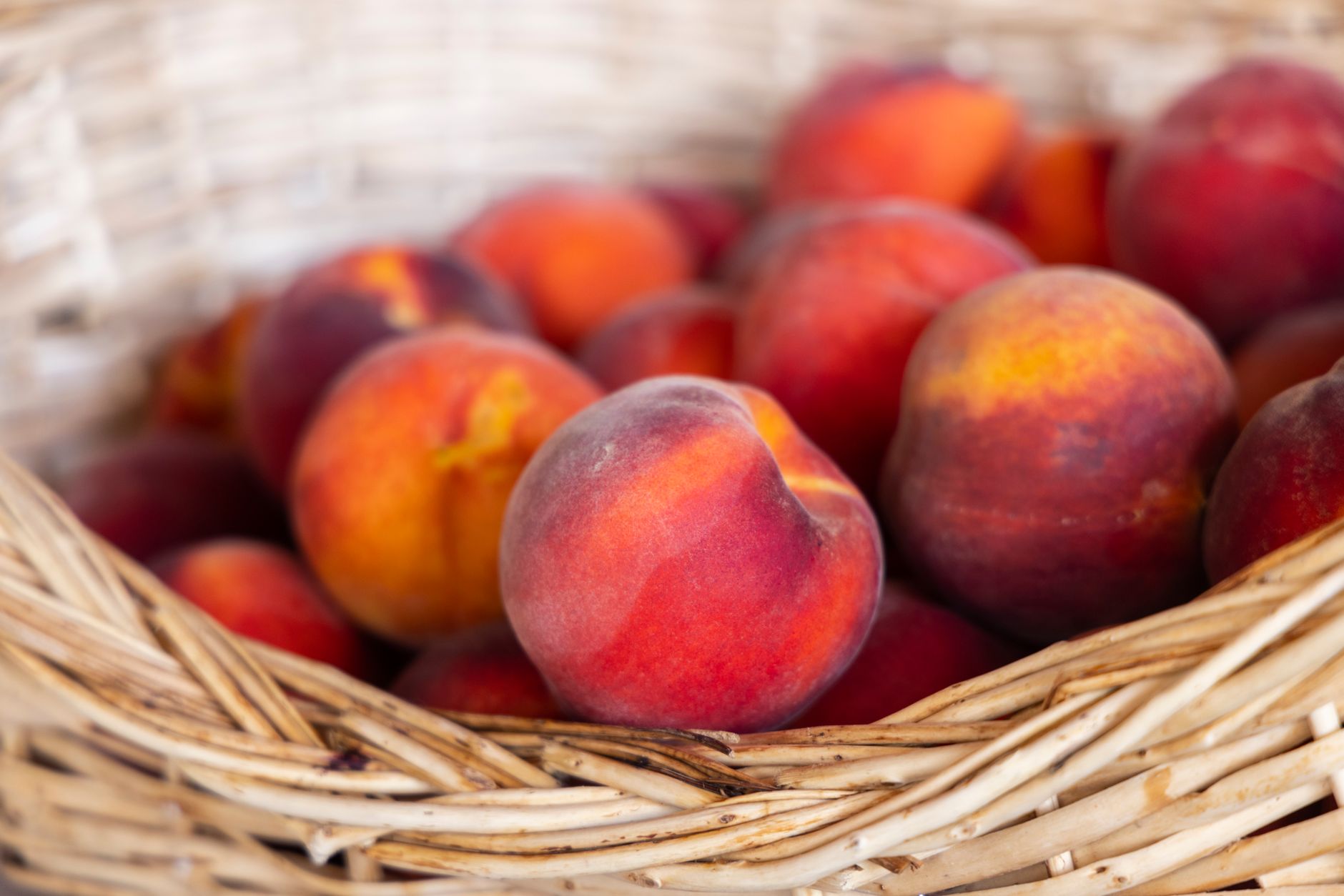
Peaches can be a safe and enjoyable treat for many dogs, but only when prepared properly and given in moderation. The sweet fruit itself is not considered toxic to dogs, yet parts of the peach plant and certain processed peach products can create avoidable health risks.
As with any human food introduced into a dog’s diet, the important question is not only whether a food is safe, but whether it fits the individual dog’s nutritional needs, health condition, and tolerance.
Are peaches safe for dogs to eat?
Fresh peach flesh can generally be offered to dogs as an occasional snack. It contains water, fiber, and naturally occurring nutrients that may provide variety alongside a complete and balanced canine diet.
However, peaches should never be treated as a replacement for regular dog food. Dogs require carefully balanced nutrition, including appropriate levels of protein, fats, vitamins, and minerals that fruit alone cannot provide.
Why some dogs may enjoy peaches as a treat
Small portions of peach may provide several nutritional benefits when used responsibly. The fruit’s natural composition makes it different from many commercial treats that contain added ingredients.
- Natural hydration: Peaches contain a high amount of water, which can contribute to fluid intake.
- Dietary fiber: Fiber can support healthy digestion when consumed in appropriate amounts.
- Plant-based nutrients: Peaches contain vitamins and antioxidant compounds naturally found in fruit.
- Low-fat option: Plain peach pieces can be an alternative to some higher-fat snacks.
The hidden risks of feeding peaches to dogs
The biggest concern with peaches is not the fruit’s flesh but the pit. Peach pits can be dangerous because they may become a choking hazard or cause an intestinal obstruction if swallowed.
Peach pits also contain naturally occurring compounds that can produce cyanide when damaged or digested. Although the level of risk depends on factors such as the amount consumed and the size of the dog, preventing access to pits is the safest approach.
How to prepare peaches safely for your dog
If you decide to give your dog peach, preparation matters. Only the soft flesh should be offered, while the pit, stem, and leaves must be removed completely.
- Wash the peach thoroughly before serving.
- Remove the pit and any hard tissue around it.
- Cut the fruit into small pieces suitable for your dog’s size.
- Offer only a small amount as an occasional reward.
Avoid giving dogs canned peaches, peach desserts, or sweetened peach products. These foods may contain excess sugar, syrups, preservatives, or artificial sweeteners that are not appropriate for dogs.
How much peach can dogs eat?
Portion size depends on factors such as body size, age, activity level, and overall health. A small dog may only need one or two small pieces, while a larger dog may tolerate a slightly larger amount.
Too much peach can lead to digestive problems because the fruit contains natural sugars and fiber. Dogs with diabetes, weight-management concerns, or sensitive stomachs may need additional caution before eating fruit treats.
Signs your dog may not tolerate peaches well
Even foods considered safe can cause problems for individual dogs. Watch for signs such as:
- Vomiting
- Diarrhea
- Excessive gas
- Abdominal discomfort
- Reduced appetite
If your dog eats a peach pit, consumes a large amount of peach, or develops concerning symptoms, veterinary advice should be sought promptly.
Fresh peaches versus other peach products
| Food type | Consideration for dogs |
|---|---|
| Fresh peach flesh | Generally acceptable in small amounts when the pit is removed. |
| Peach pit | Unsafe due to choking risk, blockage risk, and potential toxicity concerns. |
| Canned peaches | Often unsuitable because of added sugars and ingredients. |
| Peach-flavored foods | May contain additives that are not safe or beneficial for dogs. |
The best approach to feeding peaches to dogs
Peaches can be an occasional treat for many healthy dogs when served correctly. The key factors are removing the pit, controlling portions, and choosing plain fresh fruit rather than processed products.
Responsible treat choices should always complement a dog’s main diet rather than replace it. By understanding both the benefits and limitations of peaches, owners can offer variety while protecting their pet’s health.
“`