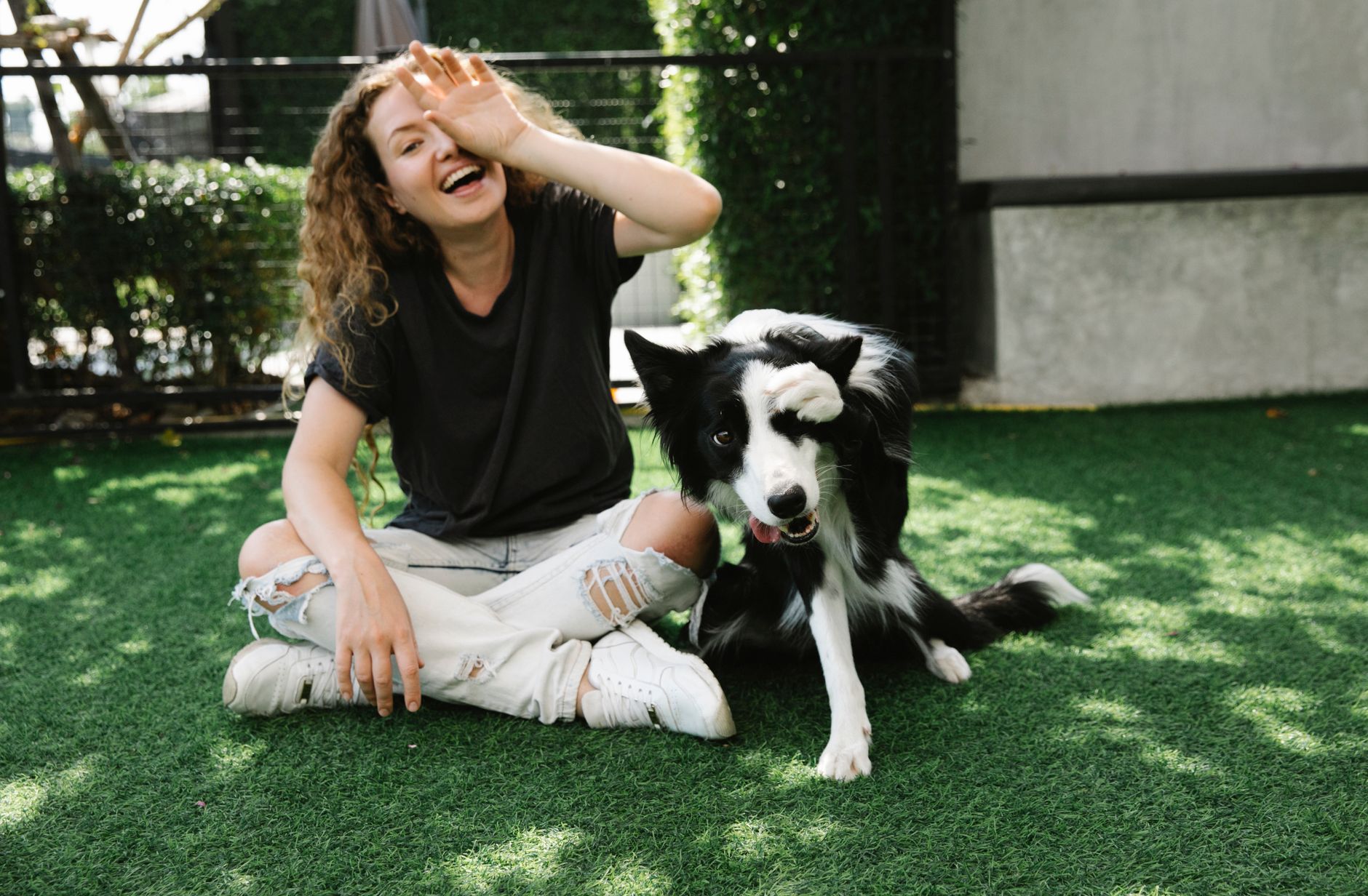
Dogs are often seen as happy, confident companions, but they can experience fear, stress, and emotional distress just like humans. A dog that suddenly trembles, hides, pants heavily, or appears unable to calm down may be experiencing an intense anxiety response.
While dogs do not experience anxiety attacks in exactly the same way humans describe panic or anxiety disorders, they can have episodes of severe fear and stress that look very similar. These moments can be frightening for both the dog and the owner, especially when the cause is unclear.
Understanding what triggers these reactions, how to recognize the signs, and how to respond appropriately can help owners support their dogs more effectively.
Do dogs really experience anxiety attacks?
Dogs can experience sudden episodes of intense anxiety, fear, or panic-like behavior. Veterinarians and animal behavior specialists generally describe these events as acute stress responses rather than human-style anxiety attacks.
During these episodes, a dog’s nervous system enters a state of heightened alert. The body prepares to respond to a perceived threat, even if the owner cannot see an obvious danger.
A dog may react this way because of a specific trigger, past negative experiences, separation distress, medical issues, or heightened sensitivity to certain situations.
Common signs of anxiety episodes in dogs
Dogs communicate stress mostly through body language and behavior. The signs of anxiety can vary depending on the individual dog and the situation.
Possible signs include:
- Rapid panting without exercise
- Shaking or trembling
- Pacing or inability to settle
- Hiding or trying to escape
- Whining, barking, or unusual vocalization
- Drooling more than usual
- Wide eyes or tense body posture
- Loss of appetite
- Accidents inside the house despite being trained
A single behavior does not always mean anxiety. For example, panting can also occur because of heat, exercise, pain, or illness. Context is important when interpreting a dog’s behavior.
What can trigger anxiety in dogs?
Anxiety does not develop from one single cause. Different dogs can react differently to the same environment depending on their genetics, experiences, and personality.
Separation anxiety
Separation anxiety is one of the most common forms of anxiety in dogs. It occurs when a dog experiences extreme distress when separated from a person or animal it is strongly attached to.
Signs may include destructive behavior, excessive barking, attempts to escape, or intense distress shortly after the owner leaves.
Loud noises
Thunderstorms, fireworks, construction sounds, and other sudden noises can trigger fear responses in many dogs.
Some dogs become anxious because they cannot predict or control the source of the sound, causing them to enter a state of heightened alert.
Changes in environment
Dogs rely heavily on routine. Moving homes, introducing new family members, changing schedules, or visiting unfamiliar places can create stress.
Past negative experiences
Dogs with histories of neglect, abandonment, or traumatic experiences may develop stronger fear responses in situations that remind them of previous stress.
How anxiety attacks differ from normal fear
Fear is a normal survival response. It helps animals avoid danger and respond appropriately to threats.
Anxiety becomes a concern when the reaction is excessive, frequent, or continues even when there is no immediate danger.
| Normal fear response | Anxiety-related response |
|---|---|
| Triggered by a clear threat | May occur without an obvious danger |
| Usually improves when the threat disappears | May continue for a long time |
| Helps the dog avoid danger | Can interfere with daily life |
What should you do during an anxiety episode?
The way owners respond can influence how a dog handles stressful situations. The goal is to create safety without accidentally reinforcing fear.
- Stay calm and avoid sudden movements.
- Move the dog away from overwhelming triggers if possible.
- Provide access to a quiet, comfortable space.
- Use a reassuring but calm voice.
- Avoid punishment or scolding during anxious behavior.
Punishing a frightened dog can increase stress because the animal may associate the situation with additional fear.
How to help reduce anxiety long term
Managing anxiety usually requires understanding the cause rather than only reacting when symptoms appear.
Helpful strategies may include:
- Creating predictable daily routines
- Providing regular physical exercise
- Using mental stimulation through training and enrichment
- Gradual exposure to specific fears under controlled conditions
- Providing a safe resting area
Some dogs benefit from structured behavior modification programs designed with professional guidance.
When should a veterinarian be involved?
Anxiety-like behavior can sometimes be connected to medical problems. Pain, hormonal changes, neurological issues, or other health conditions may affect behavior.
Veterinary advice is especially important if:
- The behavior appears suddenly in a previously calm dog.
- The anxiety episodes become more frequent or severe.
- The dog stops eating or sleeping normally.
- The dog becomes destructive or attempts to injure itself.
- The behavior significantly affects daily life.
A veterinarian can help determine whether the issue is behavioral, medical, or a combination of both.
Can medication help dogs with severe anxiety?
In some cases, dogs with severe anxiety may benefit from medication prescribed by a veterinarian. Medication is usually considered alongside behavioral support rather than as a replacement for addressing triggers and routines.
The appropriate approach depends on the dog’s individual condition, health history, and the severity of symptoms.
Do dogs grow out of anxiety?
Some dogs become more confident with maturity, training, and positive experiences. However, significant anxiety often does not disappear completely without support.
Early recognition is valuable because repeated fear responses can become stronger over time. Helping a dog feel safe and confident can improve quality of life and strengthen the relationship between the dog and owner.
The final answer: dogs can experience intense anxiety, but it looks different from humans
Dogs can have episodes of extreme fear and stress that resemble anxiety attacks, even though their experience is not identical to human anxiety disorders.
Recognizing the signs, identifying triggers, and responding with patience are key parts of helping an anxious dog. These behaviors are not signs of stubbornness or disobedience; they are signals that the dog is struggling with an emotional response.
With proper understanding, training, environmental support, and veterinary guidance when needed, many dogs with anxiety can become calmer and more comfortable in everyday life.
“`