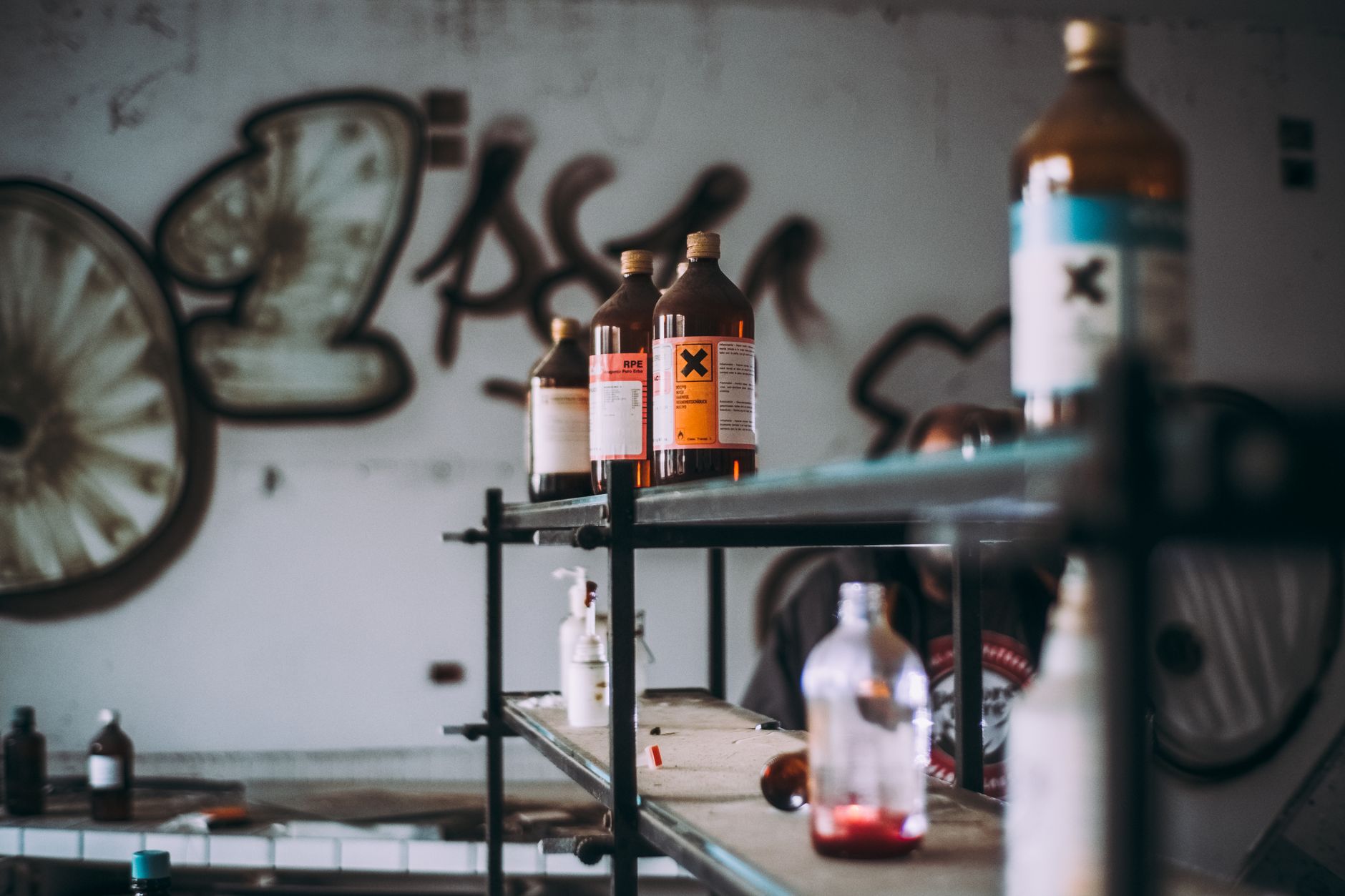
Dogs are naturally curious animals, and that curiosity can sometimes lead them toward substances that are harmless to humans but dangerous or even life-threatening for pets. Toxic exposure can happen through food, household products, medications, plants, chemicals, or items that seem ordinary in everyday environments.
Understanding what is toxic for dogs is an important part of responsible ownership. The risk does not only come from obvious poisons; many emergencies occur because a dog consumes something commonly found in kitchens, garages, gardens, or medicine cabinets.
Why toxic exposure happens so easily in dogs
Dogs explore the world with their mouths. Puppies especially may chew or swallow objects because of curiosity, boredom, or natural investigation behavior. Unlike humans, dogs also process many substances differently, meaning a food or medication that is safe for people may cause serious health problems in animals.
The severity of poisoning depends on several factors, including the substance involved, the amount consumed, the dog’s size, age, health condition, and how quickly treatment begins.
Foods that can be toxic to dogs
Some human foods contain compounds that dogs cannot safely process. These foods should never be intentionally given to dogs.
| Food | Potential Risk |
|---|---|
| Chocolate | Contains theobromine and caffeine, which can affect the heart and nervous system. |
| Grapes and raisins | Can cause serious kidney problems in some dogs. |
| Onions and garlic | May damage red blood cells and contribute to anemia. |
| Xylitol-containing products | A sweetener that can trigger dangerous drops in blood sugar and other complications. |
| Alcohol | Can affect the nervous system and cause dangerous intoxication. |
| Certain nuts, especially macadamia nuts | Can cause weakness, vomiting, and neurological symptoms. |
Household items that may poison dogs
Many household products can become dangerous if a dog chews on containers, spills, or finds improperly stored chemicals.
- Cleaning products: Bleach, disinfectants, detergents, and other chemicals can irritate or damage the mouth, digestive system, and organs.
- Human medications: Pain relievers, antidepressants, and other medicines can be extremely harmful even in small amounts.
- Antifreeze: Some automotive chemicals are highly toxic and can cause severe kidney damage.
- Pesticides and insecticides: Products designed to kill pests may also harm pets.
- Rodent poisons: Different formulations can cause bleeding disorders, neurological problems, or organ damage.
Plants that can be harmful to dogs
Dogs that spend time outdoors may encounter plants that contain irritating or poisonous compounds. The level of danger varies depending on the plant species and the amount consumed.
- Sago palm
- Oleander
- Certain lilies
- Azalea and rhododendron
- Castor bean plants
Garden chemicals can also increase risk. Fertilizers, weed killers, and insect treatments should be stored securely and used according to safety instructions around pets.
Signs that a dog may have been poisoned
Symptoms depend on the toxin involved, but several warning signs should be taken seriously.
- Vomiting or diarrhea
- Excessive drooling
- Lethargy or unusual weakness
- Tremors or seizures
- Difficulty breathing
- Loss of coordination
- Changes in heart rate
- Collapse or unconsciousness
Some toxins do not cause immediate symptoms. A dog may appear normal initially while internal damage is developing, which is why suspected exposure should not be ignored.
What to do if you suspect poisoning
- Remove the dog from the source of exposure if it is safe to do so.
- Identify what the dog consumed, including the product name, ingredients, or packaging if available.
- Contact a veterinarian or animal poison service for professional guidance.
- Do not attempt home treatments unless specifically instructed by a veterinary professional.
Trying to induce vomiting without professional advice can sometimes make the situation worse, depending on the substance involved.
How owners can reduce poisoning risks
- Store medications, chemicals, and cleaning products in closed cabinets.
- Keep food scraps and trash containers secured.
- Check ingredient labels before sharing human foods.
- Learn which plants are unsafe for pets before planting gardens.
- Teach children which foods and objects should not be given to dogs.
Understanding risk without creating unnecessary fear
Not every unusual item a dog encounters will cause poisoning, and many risks can be managed through preparation and awareness. The goal is not to eliminate every possible hazard but to create an environment where dangerous exposures are less likely.
Knowing the most common toxins, recognizing warning signs, and seeking veterinary advice quickly when exposure occurs can make a significant difference in protecting a dog’s health and safety.
“`