When a dog becomes distressed every time an owner leaves, the problem can affect the entire household. Barking, destructive behavior, pacing, escape attempts, and accidents indoors are often signs that a dog is struggling emotionally rather than simply behaving badly. Many owners search for how to cure separation anxiety in dogs, but the reality is that separation anxiety is usually managed through gradual behavior change rather than a single quick fix.
Separation anxiety is a complex emotional response. Dogs with this condition experience significant stress when separated from a person they are strongly attached to. The most effective solutions focus on helping the dog feel safe, independent, and capable of handling short periods alone.
Successful treatment requires understanding the reason behind the behavior, avoiding approaches that increase fear, and creating a structured plan that allows the dog to progress at a comfortable pace.
What Is Separation Anxiety in Dogs?
Separation anxiety occurs when a dog experiences intense distress during separation from a person, animal companion, or familiar environment. Many dogs enjoy company and prefer being near their owners, but dogs with separation anxiety experience a much stronger emotional reaction.
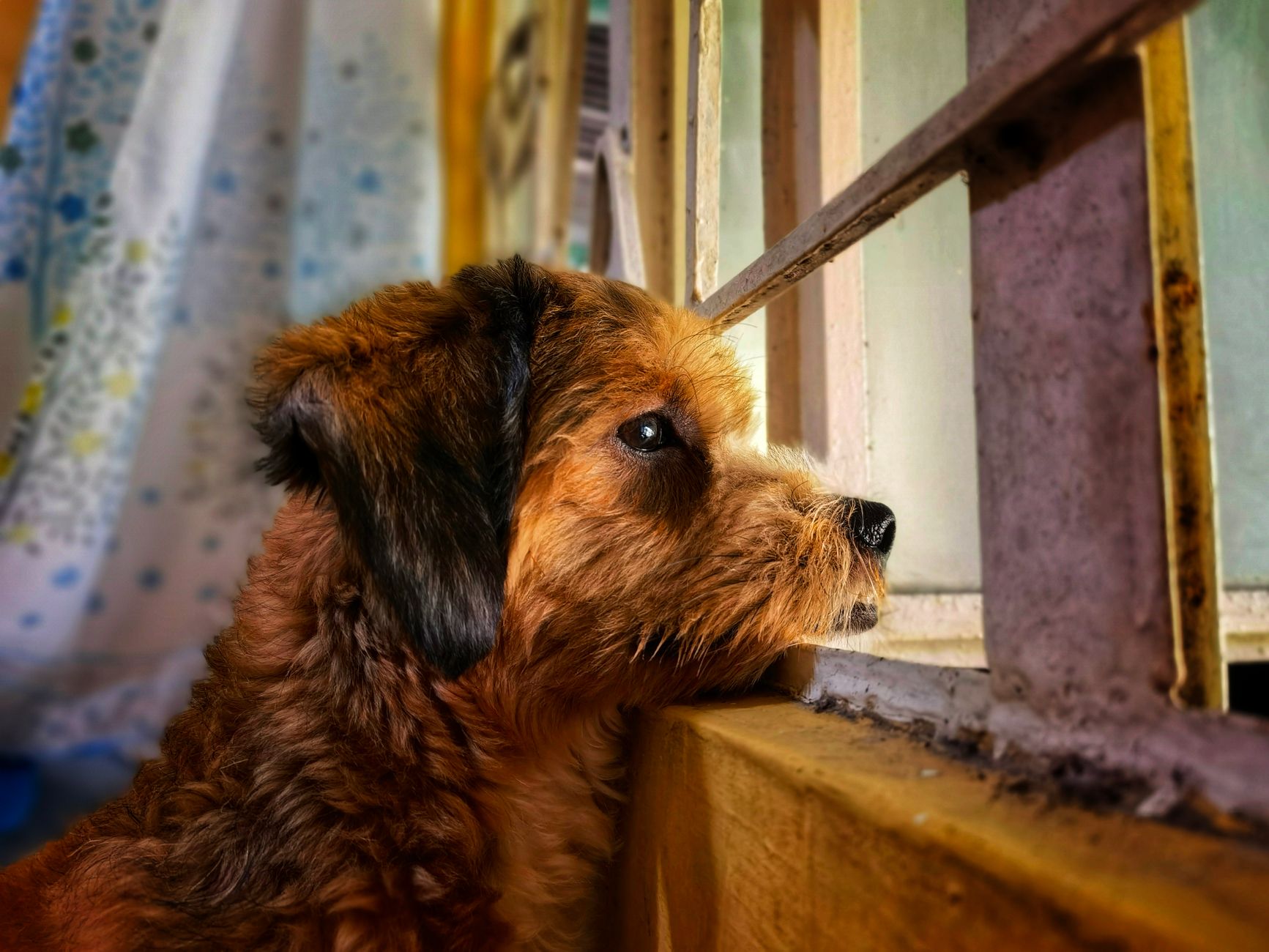
A dog with separation anxiety is not trying to be destructive or difficult. The unwanted behaviors are often attempts to cope with overwhelming feelings of fear, panic, or uncertainty.
Common signs include:
- Excessive barking, whining, or howling after departure
- Destruction focused around doors, windows, or exit areas
- Attempts to escape confinement
- Pacing and inability to settle
- Drooling or other stress-related behaviors
- Urinating or defecating indoors despite previous training
- Extreme excitement or distress when owners return
The important distinction is that separation anxiety happens specifically around being left alone or separated. A dog that destroys objects because of boredom may behave differently from a dog experiencing panic.
Why Dogs Develop Separation Anxiety
There is no single cause of separation anxiety. It usually develops through a combination of genetics, temperament, life experiences, environmental changes, and learning history.
Dogs are social animals that form strong bonds with humans. This ability makes them excellent companions, but it also means some dogs struggle when they lose access to their social support.
Common Factors That May Contribute
| Factor | Possible Impact |
|---|---|
| Sudden schedule changes | A dog may struggle when a familiar routine changes unexpectedly. |
| Adoption or rehoming | Previous instability may influence how a dog responds to separation. |
| Long periods without alone-time practice | Dogs may not develop confidence being independent. |
| Major household changes | Moving, family changes, or loss of a companion can create stress. |
| Individual temperament | Some dogs are naturally more sensitive or prone to anxiety. |
It is also important to understand that separation anxiety is not caused simply because owners show affection. A strong bond with a dog is healthy; the problem occurs when the dog cannot cope without constant access to that person.
Before Treating Separation Anxiety, Rule Out Other Causes
Not every behavior problem that occurs when a dog is alone is separation anxiety. Similar behaviors may come from boredom, lack of training, medical issues, environmental triggers, or insufficient exercise.
For example, a young dog chewing furniture may need more enrichment and guidance, while a dog panicking near the door as soon as an owner leaves may be experiencing separation-related distress.
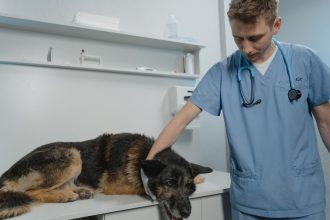
A veterinary check can be especially important if the behavior appears suddenly. Pain, illness, aging-related changes, or other health conditions can affect a dog’s ability to cope.
The Foundation of Separation Anxiety Treatment: Gradual Independence
The most commonly recommended behavioral approach for separation anxiety involves gradual exposure to being alone while keeping the dog below the level of distress that causes panic.
The goal is to teach the dog that separation is safe and temporary. This process is sometimes called systematic desensitization because the dog slowly becomes comfortable with situations that previously caused anxiety.
How Gradual Training Works
- Identify the point where your dog begins showing stress.
- Start with a level of separation the dog can tolerate.
- Return before intense anxiety begins.
- Repeat successful experiences consistently.
- Increase separation time slowly over many sessions.
The timeline varies greatly between dogs. Some improve quickly, while others require months of careful practice. Increasing difficulty too quickly can create setbacks.
Teach Your Dog That Alone Time Is Normal
Many dogs benefit from learning that independence is part of everyday life. This does not mean ignoring a dog or reducing affection. Instead, it means helping the dog understand that being apart is not dangerous.
Helpful habits include:
- Encouraging the dog to relax in another room occasionally.
- Rewarding calm behavior when the owner is not directly interacting.
- Creating positive experiences around independent activities.
- Avoiding constant attention every time the dog seeks contact.
A confident dog can enjoy companionship while also feeling secure when alone.
Reduce Departure Anxiety Before You Leave
Many dogs begin feeling anxious before the owner even walks out the door. They may recognize patterns such as picking up keys, putting on shoes, or grabbing a bag.
These signals become predictors of separation. A useful training strategy is changing the emotional meaning of these cues.
Examples include:
- Picking up keys without leaving.
- Putting on shoes and then relaxing at home.
- Practicing short departures that do not trigger panic.
The goal is to teach the dog that these events do not always lead to a stressful absence.
Create a Supportive Environment for an Anxious Dog
The environment a dog stays in while alone can influence how comfortable they feel. A safe, predictable space can reduce stress and prevent dangerous behaviors.
Helpful environmental support may include:
- A comfortable resting area
- Safe enrichment toys
- Access to water
- A quiet location away from overwhelming triggers
- Consistent household routines
Some dogs prefer open spaces, while others feel safer in smaller areas. The right setup depends on the individual dog.
Use Enrichment, but Do Not Expect It to Cure Anxiety Alone
Puzzle toys, exercise, and mental activities can improve a dog’s overall wellbeing, but they are not a complete treatment for true separation anxiety.
A common misconception is that a tired dog will automatically stop feeling anxious. While activity can reduce boredom and improve relaxation, a dog experiencing panic may still struggle even after physical exercise.
Useful enrichment options include:
- Food puzzles
- Scent games
- Training exercises
- Appropriate chew activities
- Interactive play
Enrichment works best when combined with behavior modification.
Why Punishment Does Not Fix Separation Anxiety
Owners may feel frustrated when they return home to find damage or messes. However, punishment after the fact usually does not teach the dog what behavior is expected.
Dogs experiencing separation anxiety are reacting emotionally. Punishment can increase fear and make the dog associate stressful situations with additional negative experiences.
More effective strategies focus on:
- Changing the emotional response to separation.
- Rewarding calm behavior.
- Preventing overwhelming situations.
- Building confidence gradually.
Should You Use Crates for Separation Anxiety?
Crates can be helpful for some dogs when they are introduced positively and viewed as safe spaces. However, crates are not a universal solution for separation anxiety.
Some anxious dogs may become more distressed when confined, especially if they associate the crate with being trapped during stressful moments.
A crate should never be used as a substitute for addressing the underlying anxiety. The dog’s emotional response matters more than the physical location where they are left.
Professional Treatment Options for Severe Cases
Some dogs experience separation anxiety that is too intense for basic training alone. Professional support may be necessary when anxiety significantly affects the dog’s safety or quality of life.
Professional help may include:
- Veterinary assessment
- Behavior modification plans
- Support from qualified animal behavior professionals
- Medication discussions when appropriate
Medication, when recommended by a veterinarian, is not intended to replace training. In some cases, it can help reduce anxiety enough for a dog to learn new coping skills.
Common Mistakes During Separation Anxiety Training
| Mistake | Why It Can Be a Problem |
|---|---|
| Leaving the dog alone for long periods immediately | Can reinforce panic responses. |
| Moving training too quickly | Creates experiences that are too difficult. |
| Using punishment | May increase fear and stress. |
| Ignoring severe symptoms | Allows anxiety to continue affecting wellbeing. |
How Long Does It Take to Improve Separation Anxiety?
There is no fixed timeline for improving separation anxiety. The speed of progress depends on the dog’s history, severity of anxiety, consistency of training, and individual temperament.
Small improvements may include:
- Less stress during departure routines.
- Faster recovery after being alone.
- More relaxed behavior before departures.
- Ability to tolerate slightly longer absences.
Progress is usually gradual. Comparing your dog to another dog’s recovery timeline can create unrealistic expectations.
Helping Your Dog Become More Confident
Learning how to cure separation anxiety in dogs requires understanding that anxiety is not a simple obedience problem. A dog is not choosing to panic, and forcing the dog to “get used to it” can often make the problem worse.
The most effective approach combines patience, gradual training, environmental support, and attention to the dog’s emotional needs.
Dogs can learn to feel comfortable alone, but the process requires trust and consistency. By helping a dog build confidence step by step, owners can create a healthier relationship where companionship and independence exist together.