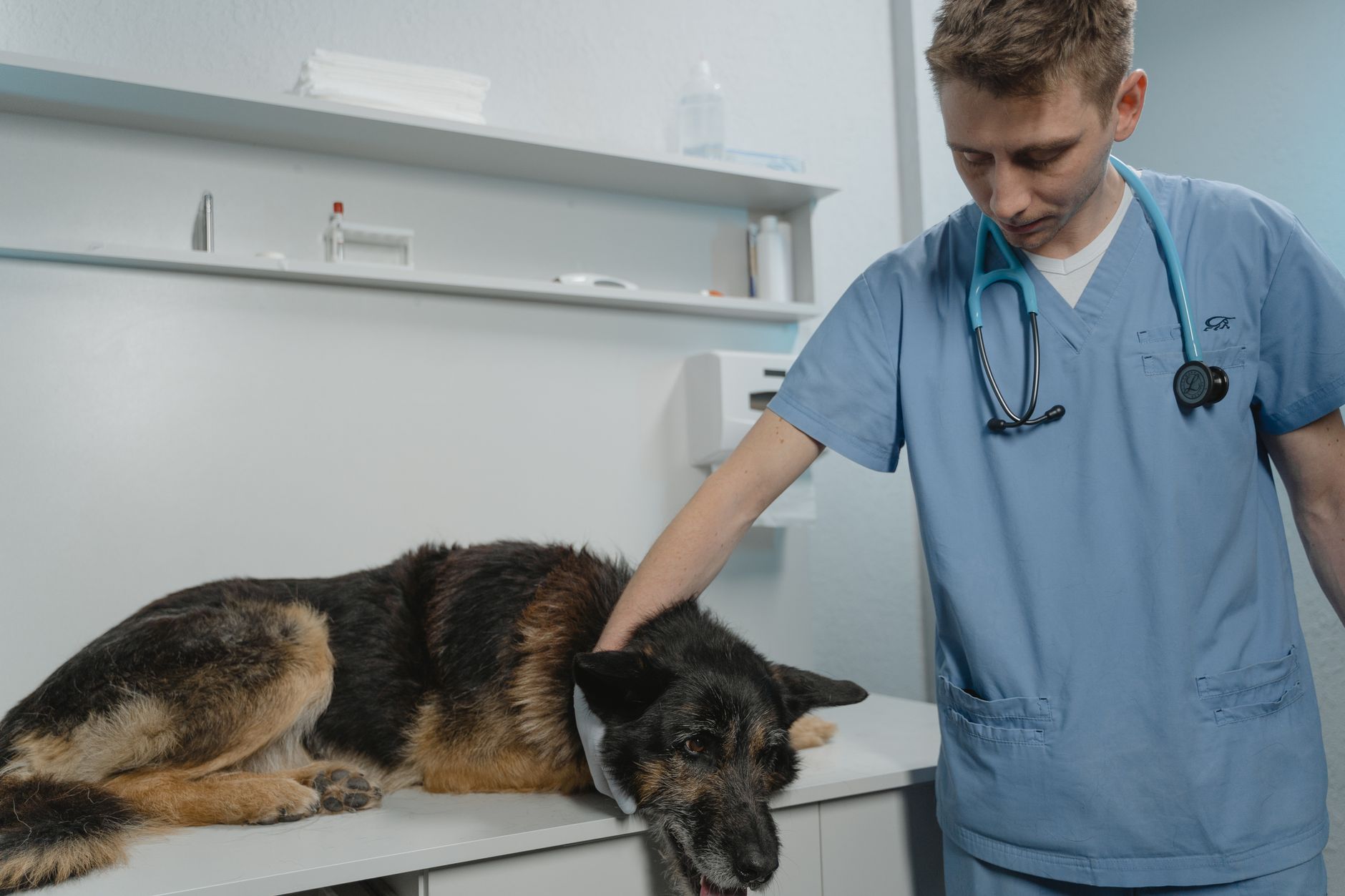
Many dog owners have noticed something unusual when they are feeling unwell. A normally playful dog may become calmer, stay closer than usual, rest beside them for hours, or repeatedly check on them. These moments often raise an intriguing question: do dogs actually know when their owners are sick?
Dogs cannot understand illness in the same way humans do. They do not know the name of a disease, understand medical symptoms, or think about sickness through human concepts. However, dogs have highly developed senses and social awareness that allow them to detect changes in their owners’ bodies, behavior, and emotions.
Their ability to notice these differences explains why many dogs appear more attentive when someone they are bonded with is experiencing physical or emotional changes.
How dogs can detect changes in human health
Dogs experience the world primarily through their sense of smell. Their noses are far more sensitive than human noses, allowing them to detect chemical changes in the body that humans cannot notice.
When a person becomes ill, the body can produce different compounds through changes in metabolism, hormones, inflammation, or other biological processes. These changes may alter a person’s natural scent.
A dog does not understand that a scent means “illness,” but it may recognize that something about a familiar person is different.
The power of a dog’s sense of smell
A dog’s sense of smell plays a major role in how it interacts with the environment. Dogs use scent information to identify people, animals, locations, and changes around them.
Because of this ability, specially trained dogs have been studied for detecting certain health-related changes, including:
- Changes associated with low blood sugar episodes
- Certain biological markers linked to medical conditions
- Changes in human body chemistry
- Behavioral changes related to health events
These trained dogs are responding to specific cues, but ordinary household dogs may also notice that their owners smell or behave differently.
Dogs notice behavior changes too
Smell is only one part of the explanation. Dogs are also highly observant animals that pay attention to human habits and routines.
When someone is sick, many everyday behaviors change:
- Moving less than usual
- Sleeping longer
- Speaking differently
- Changing facial expressions
- Spending more time resting
- Showing less interest in normal activities
Dogs are experts at recognizing patterns. If a person who normally walks, plays, or interacts regularly suddenly behaves differently, the dog may respond.
Why dogs become more protective when owners are sick
Many dogs appear more affectionate or protective when their owners are unwell. This behavior is often connected to the strong social bond between dogs and humans.
Dogs are social animals that evolved to cooperate with groups. Domestic dogs have developed a remarkable ability to read human body language, facial expressions, tone of voice, and emotional states.
When an owner appears weaker, quieter, or distressed, some dogs respond by staying nearby, offering physical contact, or becoming more attentive.
Can dogs tell what illness you have?
Dogs may detect that something has changed, but they generally do not know exactly what illness a person has.
A dog cannot diagnose conditions or replace medical evaluation. Even highly trained medical detection dogs are trained to identify specific signals under controlled conditions, not to understand human health in the same way a doctor does.
If a dog behaves differently around a person, it should be viewed as an interesting observation rather than proof of a medical condition.
Do dogs know when you have emotional problems?
Dogs are also sensitive to emotional changes. Many owners report that their dogs become more affectionate during periods of sadness, stress, or emotional difficulty.
Research into human-animal relationships suggests that interactions with dogs can influence stress levels and emotional well-being. Dogs may respond to changes in voice, body language, routine, and behavior.
This does not mean dogs understand human emotions exactly as people do, but they are highly capable of recognizing changes in the people they trust.
Signs your dog may notice that something is different
Every dog responds differently, but some common behaviors include:
- Following the owner more closely
- Resting beside the owner
- Checking on the owner frequently
- Becoming quieter or calmer
- Seeking more physical contact
- Showing unusual attention toward the person
These behaviors do not always indicate illness. Dogs may react similarly to changes in mood, routine, stress, or environment.
Why some dogs do not react when their owners are sick
Not every dog becomes noticeably different when an owner is ill. This does not mean the dog does not care.
Differences in response can depend on:
- Individual personality
- Age and experience
- Strength of the human-dog bond
- Training and socialization
- The type of health change occurring
Some dogs are naturally more independent, while others are highly attentive to human behavior.
Can dogs help during illness?
Although dogs cannot provide medical treatment, their companionship can be valuable during difficult periods.
Having a dog nearby may provide:
- Emotional comfort
- A sense of companionship
- Motivation to maintain routines
- Reduced feelings of loneliness
However, caring for a dog also requires responsibility, and people who are seriously ill may need additional support to ensure both their own needs and their pet’s needs are met.
The final answer: dogs may know something has changed, but not why
Dogs can often recognize when something is different about their owners. Through their powerful sense of smell, observation skills, and emotional connection, they may notice physical or behavioral changes associated with illness.
However, dogs do not understand sickness in the human sense and cannot diagnose medical problems. What they recognize is change: a different scent, a different routine, or a different emotional state.
This remarkable sensitivity is one reason dogs have such a unique relationship with humans. They may not know exactly what is wrong, but they often know when the person they love is not feeling like themselves.
“`