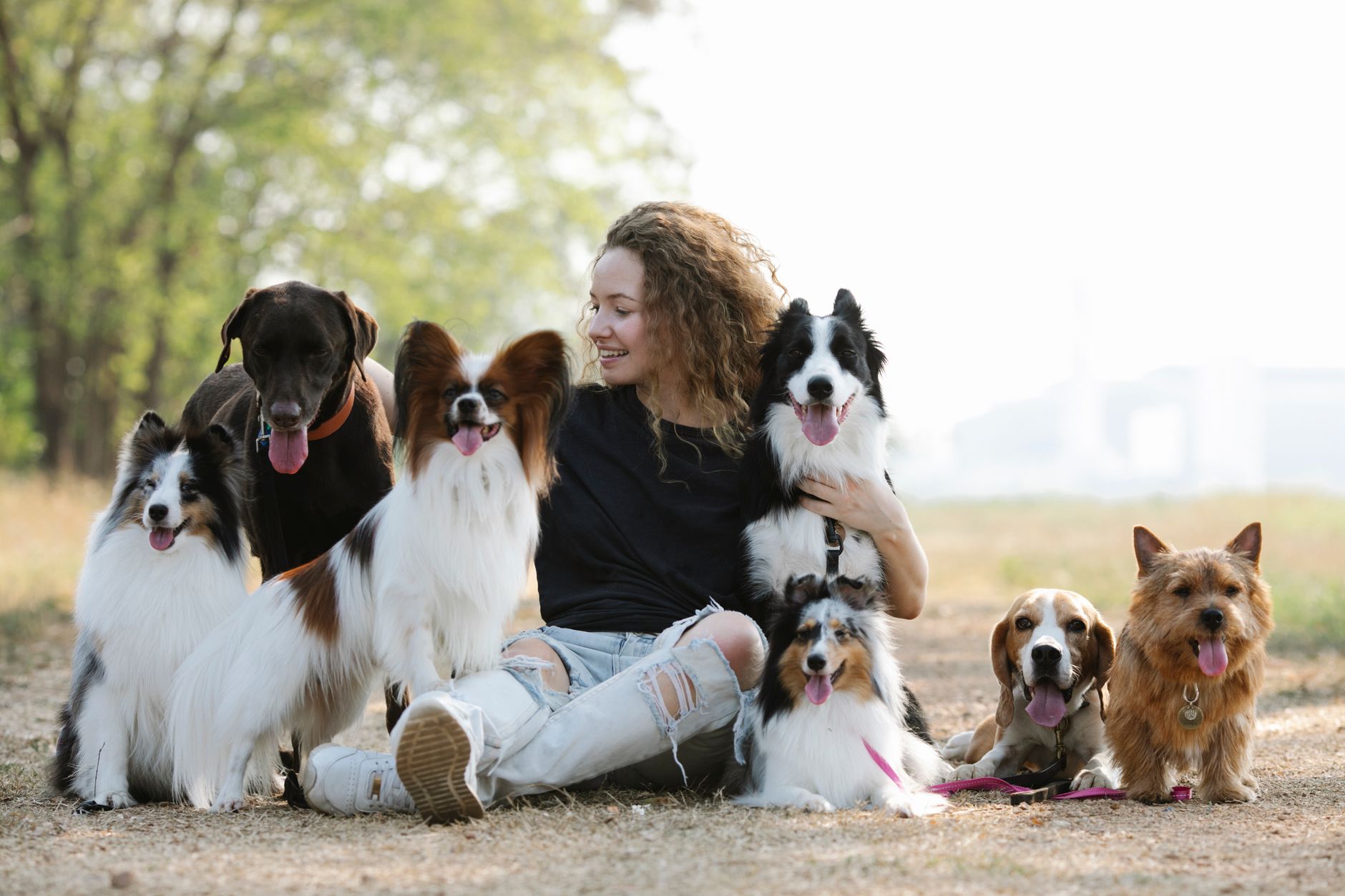
Finding the right dog breed is not about discovering a universally perfect dog. It is about identifying the type of dog whose temperament, energy level, care requirements, and daily needs match your lifestyle.
A dog breed compatibility test can be a useful starting point because it encourages future owners to think carefully before making a long-term commitment. The goal is not to predict the future perfectly, but to avoid one of the most common mistakes in dog ownership: choosing a dog based only on appearance or popularity.
The best match happens when the owner’s expectations and the dog’s natural behaviors work together.
Why Dog Breed Compatibility Matters
Every dog brings inherited traits shaped by generations of selective breeding. While individual personality varies, breed history can influence tendencies such as activity level, independence, trainability, vocal behavior, and social needs.
For example, a dog originally developed to herd livestock may naturally look for tasks and movement. A companion breed may be more focused on human interaction. A hunting breed may have strong instincts to chase and explore.
Understanding these differences helps owners choose a dog they can realistically support throughout the animal’s life.
The Questions a Good Dog Breed Test Should Ask
A useful breed test should focus less on preferences like coat color or appearance and more on practical lifestyle factors.
| Question | Why It Matters |
|---|---|
| How active are you every day? | Determines whether you can meet the dog’s exercise requirements. |
| How much time can you spend with your dog? | Some breeds require extensive companionship and mental engagement. |
| Where do you live? | Housing conditions affect exercise options, noise tolerance, and space needs. |
| How experienced are you with dogs? | Some breeds require more advanced training skills and consistency. |
| How much grooming are you prepared to handle? | Coat care requirements vary significantly between breeds. |
| Do you have children or other pets? | Social compatibility is an important part of a successful match. |
Match Energy Level Before Choosing a Breed
Energy level is one of the strongest predictors of whether a dog will fit into a household. Many behavior problems occur when a dog’s physical and mental needs are not being met.
A highly active dog placed in a low-activity household may become frustrated, destructive, or difficult to manage. Meanwhile, a calmer breed may struggle if expected to keep up with intense outdoor activities every day.
| Lifestyle | Potential Breed Types | Important Consideration |
|---|---|---|
| Relaxed household | Calmer companion breeds and lower-energy dogs | Still require daily interaction and exercise |
| Active owner | Retrievers, sporting breeds, athletic companions | Need regular physical activity and engagement |
| Very active lifestyle | Herding breeds and working dogs | Often require structured training and mental challenges |
| Apartment living | Adaptable breeds of various sizes | Temperament matters more than size alone |
Size Does Not Tell the Whole Story
One of the biggest misconceptions in dog selection is assuming small dogs are always easier and large dogs are always more demanding.
Some large breeds can be calm indoors, while some small breeds are energetic, vocal, and highly driven. A dog’s suitability depends more on temperament, exercise requirements, and training needs than physical size.
Apartment residents should focus on the dog’s ability to adapt to indoor life rather than choosing solely by weight or height.
Consider Training Ability and Temperament
Different breeds often vary in how they respond to training. Some dogs are naturally eager to work with people, while others are more independent and may require greater patience.
Potential owners should consider:
- Trainability: How easily the dog learns household rules and commands.
- Independence: Whether the dog is comfortable spending time alone.
- Sensitivity: How the dog responds to correction, noise, and environmental changes.
- Social tendencies: Whether the dog typically enjoys meeting people and animals.
No breed is automatically obedient or difficult. Training quality, early socialization, and individual personality remain major influences.
Think Beyond the Puppy Stage
Many people choose dogs based on how adorable puppies are without considering the adult dog they will become. Puppies from almost any breed require significant time, patience, and supervision.
The important question is not only “Can I handle this puppy?” but also “Can I meet this dog’s needs when it reaches adulthood?”
Owners should consider:
- Adult size and strength.
- Long-term exercise requirements.
- Potential grooming responsibilities.
- Common breed-related health concerns.
- The dog’s expected lifespan and care commitment.
Popular Breeds Are Not Always the Best Choice
Popular breeds often become well known because they are attractive, familiar, or frequently featured in media. However, popularity does not guarantee compatibility.
A breed may be excellent for one family and completely unsuitable for another. A highly intelligent working breed may thrive with an experienced owner who enjoys training but struggle in a household seeking a low-maintenance companion.
The right choice should be based on fit, not trends.
Mixed Breeds and Individual Dogs Deserve Consideration
Breed-based guidance can help narrow options, but every dog is an individual. Mixed-breed dogs may combine traits from several backgrounds, making evaluation of the specific dog especially important.
Adult dogs can sometimes be easier to match because their personality, energy level, and behavior patterns are already visible. Shelters and rescue organizations often provide valuable information about a dog’s temperament and needs.
A Better Way to Use a Dog Breed Test
A dog breed test should be treated as a decision-support tool rather than a final answer. A responsible selection process combines self-assessment, breed research, and honest evaluation of your ability to provide care.
- Identify your real daily routine.
- Determine how much exercise and training you can provide.
- Research breeds that match those requirements.
- Consider individual dogs rather than relying only on breed labels.
- Prepare financially and emotionally for long-term ownership.
The Best Breed Is the One That Fits Your Commitment
The right dog breed is not necessarily the most popular, most beautiful, or most impressive. It is the breed and individual dog whose needs align with your lifestyle and ability to provide care.
A thoughtful choice creates a healthier relationship because both sides benefit: the dog receives the environment it needs, and the owner gains a companion that fits naturally into everyday life.
“`