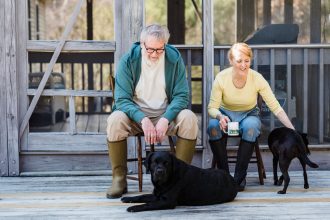
Choosing a dog is often approached as a search for the “best” breed, but there is no universally perfect dog. The right match depends on a combination of factors: your daily routine, living environment, experience with dogs, activity level, budget, and expectations about companionship.
A breed that thrives with an active outdoor owner may struggle in a quiet apartment with limited exercise opportunities. Conversely, a calm companion breed may be overwhelmed in a household seeking a high-energy running partner. The most successful dog-owner relationships happen when a dog’s inherited traits align with the human lifestyle.
The Most Important Question: What Role Should Your Dog Play?
Before comparing breeds, define what you need from a dog. Modern dogs have been selectively bred for different purposes, and those historical roles still influence behavior today.
- Companion dogs: Often bred primarily for close human interaction and household life.
- Working dogs: Developed for tasks such as guarding, pulling, service work, or protection.
- Sporting dogs: Bred for activities involving endurance, retrieving, and cooperation with humans.
- Herding dogs: Often highly intelligent and responsive but may require significant mental stimulation.
- Terriers and hunting breeds: Frequently energetic and driven because of their original roles in controlling pests or tracking prey.
Understanding these tendencies does not mean every dog will behave identically. Individual personality, early socialization, training, and environment can significantly influence behavior.
A Practical Match: Dog Breeds by Owner Lifestyle
| Your Situation | Breeds That May Fit | Important Considerations |
|---|---|---|
| First-time dog owner | Labrador Retriever, Golden Retriever, Cavalier King Charles Spaniel, Poodle | Look for breeds that are generally responsive to training and adaptable, while still considering exercise needs. |
| Apartment living | Greyhound, French Bulldog, Cavalier King Charles Spaniel, smaller companion breeds | Size alone does not determine suitability. Energy level and barking tendencies matter more. |
| Active outdoor lifestyle | Australian Shepherd, Border Collie, Labrador Retriever, Vizsla | These dogs often require substantial physical activity and mental engagement. |
| Families with children | Labrador Retriever, Golden Retriever, some Poodle varieties | Temperament, supervision, and training are more important than breed reputation alone. |
| Owners wanting lower grooming demands | Beagle, Boxer, Greyhound, some short-coated breeds | Low grooming does not always mean low maintenance. Exercise and training needs still vary. |
Energy Level Is Often More Important Than Size
A common mistake is assuming a small dog automatically works better in a small home or that a large dog requires a large property. In reality, activity requirements and temperament are often stronger predictors of compatibility.
For example, some large breeds are relatively calm indoors, while some smaller breeds can be highly energetic and vocal. A dog’s ability to settle inside the home depends on genetics, training, exercise, and individual temperament.
Potential owners should evaluate:
- How much daily exercise they can realistically provide.
- Whether they enjoy training and interactive play.
- How many hours the dog will spend alone each day.
- Whether they prefer a relaxed companion or an active partner.
Consider Grooming, Health, and Long-Term Costs
Breed selection is not only about personality. Physical characteristics influence ongoing responsibilities.
Coat maintenance
Long-haired and curly-coated breeds may require regular brushing and professional grooming. Some owners appreciate the appearance and reduced shedding of these coats but underestimate the maintenance involved.
Health considerations
Different breeds can have different inherited health risks. Responsible breeders typically screen breeding animals for known conditions, while adoption organizations can provide valuable information about an individual dog’s medical history and temperament.
Financial commitment
The cost of owning a dog extends beyond the initial adoption or purchase. Food, veterinary care, preventive medicine, grooming, training, supplies, and emergency expenses should all be considered before choosing a breed.
Popular Breeds and Their Typical Characteristics
| Breed | Common Strengths | Potential Challenges |
|---|---|---|
| Labrador Retriever | Friendly, trainable, adaptable | High food motivation, shedding, requires regular activity |
| Golden Retriever | Social, intelligent, family-oriented | Needs companionship, grooming, and exercise |
| Poodle | Highly intelligent, trainable, lower shedding coat | Requires grooming and mental stimulation |
| Border Collie | Exceptional intelligence and athletic ability | Can develop behavioral problems without sufficient activity |
| Greyhound | Often calm indoors, gentle temperament | May have strong chase instincts and sensitivity |
| French Bulldog | Companion-oriented, relatively adaptable | Potential respiratory and heat-related concerns |
Why Breed Alone Does Not Predict Personality
Breed information is useful, but it is not a guarantee of behavior. Dogs within the same breed can have very different personalities. Factors such as early experiences, training quality, socialization, and individual genetics all contribute to temperament.
This is especially important when adopting adult dogs. An adult dog’s established personality can sometimes make matching easier because owners can observe energy level, behavior around people, and compatibility with their household.
Mistakes to Avoid When Choosing a Dog
- Choosing based only on appearance: A breed’s look may attract attention, but its daily needs determine whether the relationship will work.
- Ignoring exercise requirements: Many behavior problems come from unmet physical or mental needs.
- Assuming training is unnecessary: Even naturally friendly dogs require boundaries and communication.
- Picking a breed because it is popular: Trends do not always reflect compatibility with your lifestyle.
- Underestimating commitment: Dogs can live for many years and require consistent care throughout their lives.
The Best Dog Breed Is the One That Fits Your Reality
The ideal dog is not determined by a ranking or a popularity chart. It is determined by whether the dog’s natural tendencies match the owner’s ability to provide care, training, exercise, and companionship.
A thoughtful choice considers both sides of the relationship: what humans want from dogs and what dogs need from humans. When those expectations align, breed becomes a helpful guide rather than a limitation, creating a stronger foundation for a healthy and lasting partnership.
“`