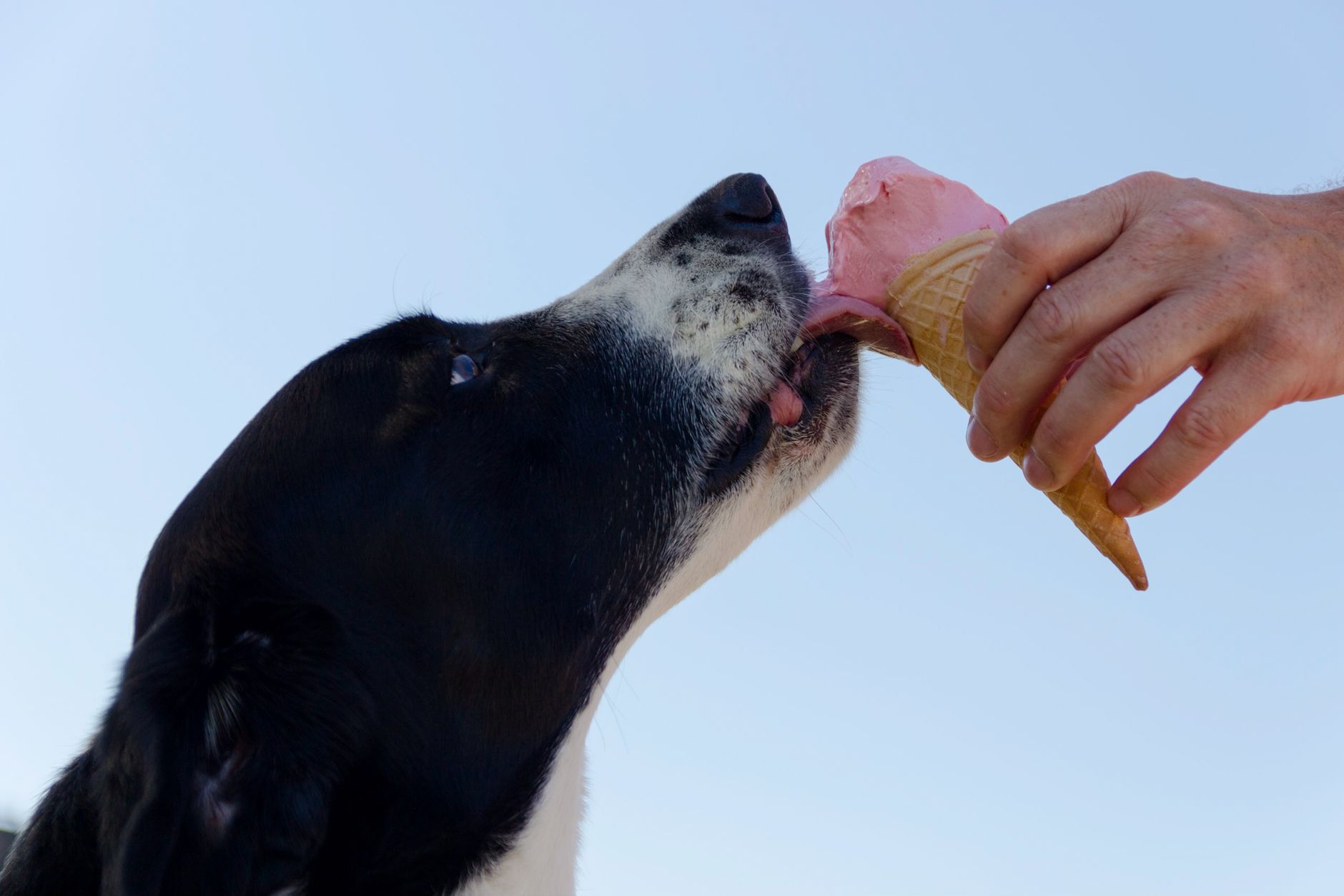
Commercial dog food is designed to provide balanced nutrition, but many owners wonder whether dogs can enjoy other foods that humans eat. The answer is yes, some fresh foods can be safe and beneficial additions to a dog’s diet when offered correctly.
However, dogs have different nutritional requirements from humans. A food that is healthy for people may be harmful to dogs, and even safe options should only make up a small portion of their overall diet. Understanding which foods are appropriate, how they should be prepared, and when to avoid them is essential for responsible feeding.
How to safely add human foods to a dog’s diet
Dogs are omnivores with digestive systems that can handle a variety of foods, but their primary nutrition should come from a complete and balanced dog diet. Fresh foods are best viewed as occasional treats, meal additions, or training rewards rather than replacements for formulated dog food.
Before introducing a new food, consider factors such as the dog’s size, age, health condition, allergies, and existing diet. Foods should generally be introduced gradually to reduce the risk of digestive upset.
Healthy foods dogs can eat
Lean meats
Plain, cooked meats can provide valuable protein and are often highly appealing to dogs. They should be prepared without seasoning, sauces, oils, or ingredients that may be harmful.
- Chicken: A common protein source that is easy for many dogs to digest when cooked and served plain.
- Turkey: Can be a lean protein option when offered without skin, bones, or seasoning.
- Beef: Provides protein and nutrients but should be served in moderation due to fat content in some cuts.
- Fish: Certain cooked fish can provide beneficial fatty acids when prepared safely.
Vegetables
Many vegetables provide fiber, vitamins, and hydration while being relatively low in calories. They can be useful treats for dogs that need healthier snack options.
- Carrots: Crunchy, low-calorie treats that many dogs enjoy.
- Green beans: A source of fiber that can be offered plain.
- Pumpkin: Often used as a dietary supplement because of its fiber content.
- Sweet potatoes: Can provide carbohydrates and nutrients when cooked without additives.
- Cucumbers: A hydrating snack option for many dogs.
Fruits
Some fruits can be occasional treats because they contain natural sugars, vitamins, and water. Portions should remain small, especially for dogs prone to weight gain.
- Apples: Safe when seeds and core are removed.
- Blueberries: Small berries that provide antioxidants and can be used as treats.
- Bananas: Can be offered occasionally due to their higher sugar content.
- Watermelon: Safe when seeds and rind are removed.
- Peaches: Can be given in small amounts after removing the pit.
Foods that may be useful for specific situations
Certain fresh foods are sometimes used as dietary additions under appropriate circumstances. For example, plain pumpkin may support digestive health because of its fiber content, while lean cooked proteins may help provide additional calories for dogs with increased nutritional needs.
However, food additions should not replace veterinary advice when a dog has medical concerns such as chronic digestive problems, allergies, kidney disease, diabetes, or obesity.
Foods dogs should never eat
Some common household foods can be dangerous or toxic to dogs. Owners should be careful because many harmful foods are common ingredients in human meals.
- Chocolate: Contains compounds that can be toxic to dogs.
- Grapes and raisins: Can cause serious health problems in some dogs.
- Onions and garlic: May damage red blood cells and cause illness.
- Xylitol: An artificial sweetener found in some products that can be dangerous for dogs.
- Alcohol: Unsafe and potentially life-threatening.
- Cooked bones: Can splinter and create digestive injuries.
Foods that require extra caution
Some foods are not necessarily toxic but may create problems depending on the dog. High-fat foods can contribute to digestive issues, while dairy products may cause discomfort in dogs that cannot tolerate lactose.
Portion size is another important factor. A small amount of a safe food may be harmless, while excessive quantities can contribute to obesity, stomach upset, or nutritional imbalance.
How much human food should dogs eat?
Treats and additional foods should generally remain a limited part of a dog’s daily calorie intake. The majority of nutrition should come from a complete diet formulated for the dog’s life stage.
| Food type | Best practice |
|---|---|
| Lean meat | Serve cooked, plain, and without harmful seasonings. |
| Vegetables | Offer small portions and introduce gradually. |
| Fruit | Remove seeds, pits, and inedible parts before serving. |
| Table leftovers | Avoid foods containing salt, spices, sauces, or toxic ingredients. |
Why a balanced diet still matters
Dogs require specific levels of protein, fats, vitamins, minerals, and calories. Randomly replacing dog food with human foods can create nutritional gaps even when the individual foods appear healthy.
The best approach is to use safe human foods as occasional enrichment while maintaining a complete diet that meets a dog’s nutritional requirements.
Making food choices that support a dog’s health
Sharing safe foods with a dog can strengthen the bond between pets and owners while adding variety to their routine. The key is understanding that dogs are not small humans and have different dietary needs.
By choosing appropriate foods, preparing them safely, and keeping portions controlled, owners can offer healthy extras without compromising their dog’s long-term nutrition.
“`