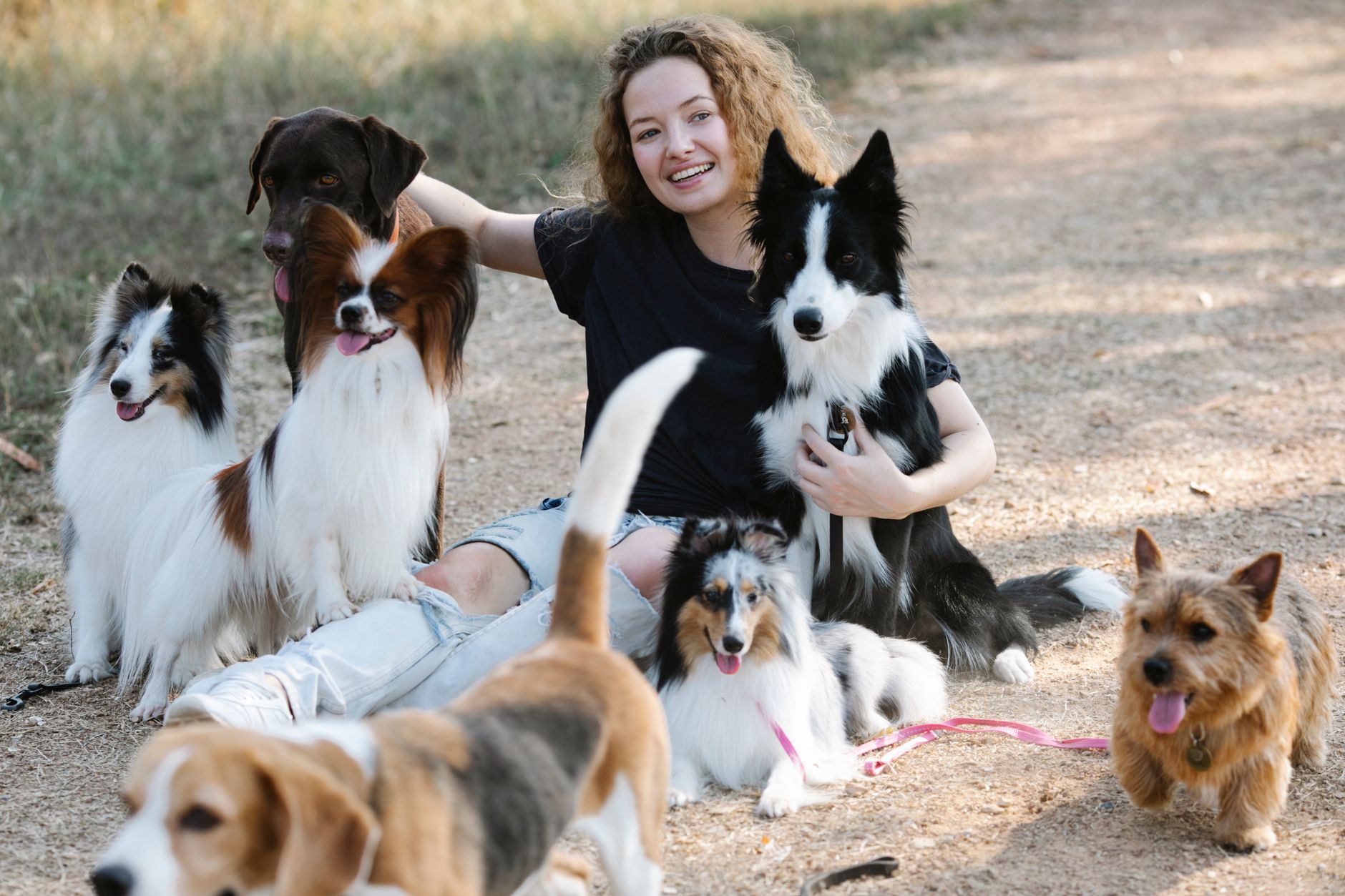
Choosing the best dog for you is not about finding the most popular breed or the one that looks the most appealing. The right dog is the one whose personality, energy level, care requirements, and daily needs fit naturally with your lifestyle.
A dog breed quiz can help narrow down possibilities, but the most reliable choice comes from understanding how different dogs behave and honestly evaluating what you can provide as an owner. A successful match benefits both the human and the dog for many years.
Why the “best” dog depends on the owner
Every dog has unique characteristics shaped by genetics, early experiences, training, and environment. Breed history can provide clues about common tendencies, but it does not guarantee a specific personality.
For example, a dog originally bred for hunting may naturally have strong instincts to chase and explore, while a herding breed may be highly attentive and motivated to control movement. These traits can be positive when matched with the right owner but challenging when expectations do not align.
Start by understanding your own lifestyle
Your activity level
Exercise requirements vary widely between dogs. Before choosing a breed, consider how much physical activity you can realistically provide every day.
- Highly active owners: May enjoy energetic breeds that participate in running, hiking, training, or outdoor activities.
- Moderately active owners: Often match well with adaptable breeds that enjoy walks and regular play.
- Relaxed lifestyles: May benefit from calmer breeds with lower exercise demands.
Your available time
Dogs require more than food and shelter. Training, social interaction, grooming, exercise, and mental stimulation are essential parts of responsible ownership.
Some breeds are comfortable with more independence, while others strongly prefer constant human companionship. Your work schedule and daily routine should be considered before bringing home a dog.
Your living environment
A dog’s suitability depends on more than its physical size. A small dog may have high energy, while a larger dog may adapt well to indoor living if its exercise needs are met.
| Living Situation | What to Consider |
|---|---|
| Apartment living | Noise, adaptability, exercise requirements, and temperament. |
| Family home | Social behavior, patience, training needs, and compatibility with children. |
| Outdoor-focused lifestyle | Energy level, endurance, weather tolerance, and safety. |
| Busy urban area | Confidence, socialization, and ability to handle distractions. |
Dog types and the owners they often suit
Active working breeds
Working dogs are often intelligent, strong, and eager to perform tasks. They can be excellent companions for owners who enjoy training and structured activities.
- German Shepherd
- Rottweiler
- Doberman Pinscher
- Siberian Husky
These breeds may be challenging for owners who cannot provide enough exercise, structure, or mental stimulation.
Family-friendly companion breeds
Many families look for dogs that are social, adaptable, and comfortable around different people. However, temperament varies between individual dogs.
- Labrador Retriever
- Golden Retriever
- Poodle
- Cavalier King Charles Spaniel
Small companion dogs
Smaller breeds can be suitable for people with limited space, but their size does not eliminate the need for training, exercise, and attention.
- French Bulldog
- Shih Tzu
- Chihuahua
- Pomeranian
Highly intelligent breeds
Some dogs are known for their problem-solving abilities and quick learning. These breeds can be rewarding for owners who enjoy training but may become bored without enough stimulation.
- Border Collie
- Australian Shepherd
- Poodle
Important questions before choosing a dog
- How many hours will the dog typically spend alone each day?
- Can you provide daily exercise and training?
- Are you prepared for grooming and healthcare responsibilities?
- Do you prefer an energetic companion or a calmer household pet?
- Can you commit to caring for the dog throughout its entire life?
Common mistakes when selecting a dog
- Choosing only based on appearance: A beautiful dog may still have needs that do not match your lifestyle.
- Following trends: Popular breeds are not automatically suitable for every household.
- Ignoring energy levels: Under-stimulated dogs may develop unwanted behaviors.
- Underestimating costs: Food, veterinary care, grooming, training, and supplies are long-term responsibilities.
Why individual personality matters more than breed alone
Breed information is a helpful starting point, but the individual dog should always be considered. Two dogs from the same breed can have different temperaments, confidence levels, and social preferences.
Mixed-breed dogs can also make excellent companions. Their suitability depends on their individual behavior, needs, and compatibility with your lifestyle.
Final perspective
The best dog for you is the one that fits your reality, not simply the one that appears ideal on paper. Understanding your routine, preferences, and ability to provide care is the foundation of choosing a lifelong companion.
A thoughtful decision creates a stronger relationship, helping both the owner and the dog enjoy a healthier and happier life together.
“`