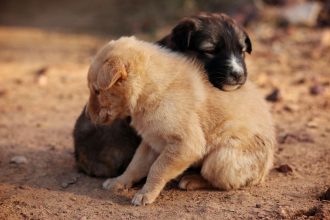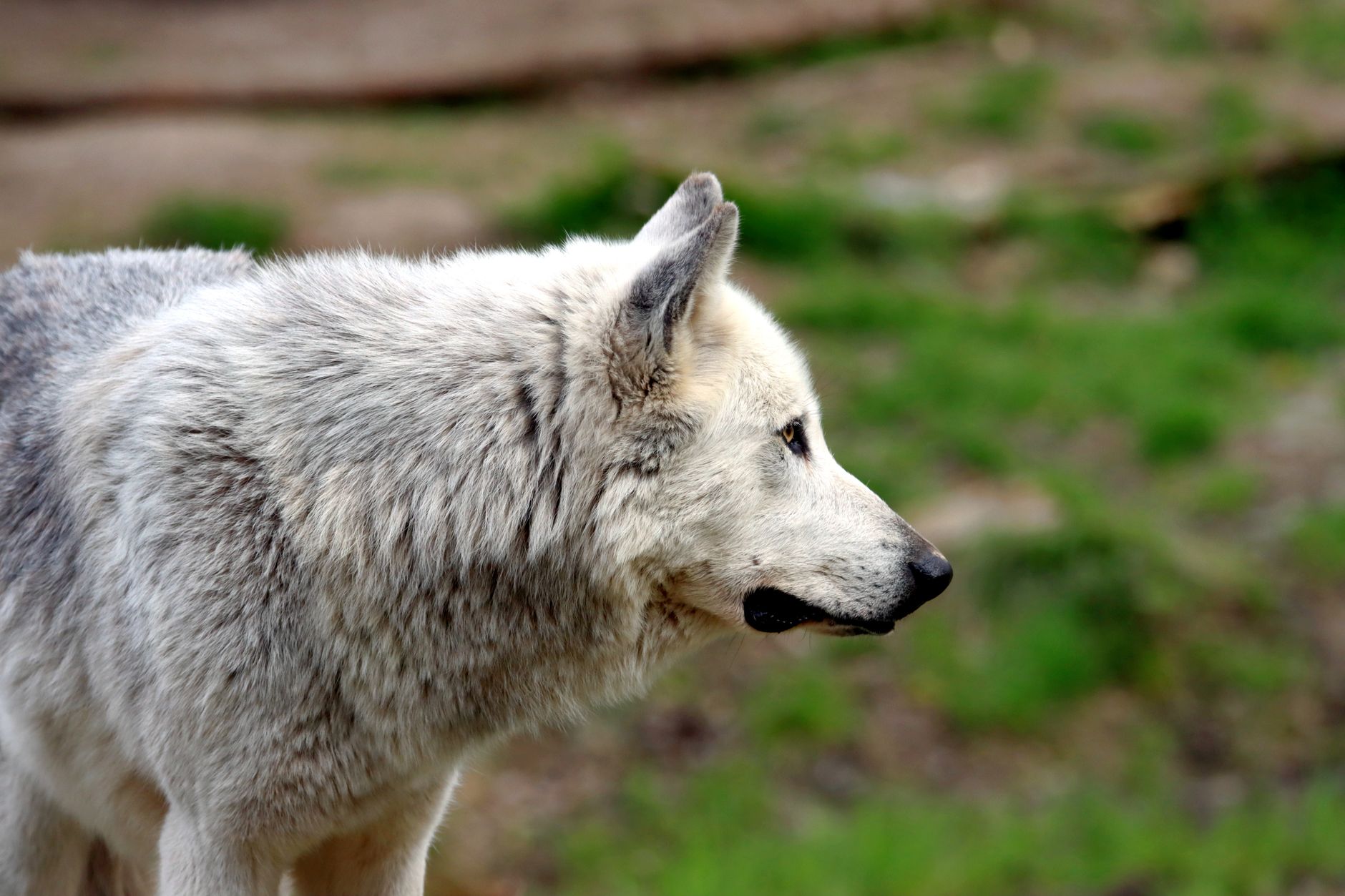
Every modern dog, from a tiny household companion to a specialized working breed, carries traces of an ancient connection with wolves. Their differences in appearance can be extraordinary, but their evolutionary history reveals a shared origin rooted in ancient wolf populations.
The statement that all dogs are descended from wolves is scientifically supported, but it requires careful interpretation. Dogs did not evolve directly from the gray wolves living in forests and wilderness today. Instead, domestic dogs emerged from ancient wolf lineages that underwent thousands of years of domestication and adaptation alongside humans.
The Evolutionary Link Between Dogs and Wolves
Domestic dogs are classified as Canis familiaris, while gray wolves are classified as Canis lupus. They belong to the same genus, Canis, which indicates a close evolutionary relationship.
Genetic research has consistently shown that dogs are descendants of ancient wolves rather than separate wild ancestors. However, the exact wolf population that gave rise to dogs is still being studied because many ancient wolf groups have disappeared or changed over time.
| Animal | Scientific Classification | Evolutionary Relationship |
|---|---|---|
| Domestic dog | Canis familiaris | Domesticated descendant of ancient wolf populations |
| Gray wolf | Canis lupus | Closest living wild relative of domestic dogs |
| Coyote | Canis latrans | Related canid species but not a direct ancestor of dogs |
Dogs Did Not Descend From Today’s Wolves
A common misconception is that modern dogs evolved from the gray wolves that exist today. A more accurate explanation is that dogs and modern wolves share a common ancestral wolf population.
Thousands of years ago, some ancient wolves began interacting more closely with human communities. These wolves may have benefited from scavenging near settlements, while humans benefited from animals that could provide warnings, assistance in hunting, and companionship.
Over many generations, wolves with traits that made them more comfortable around humans were more likely to survive and reproduce. This gradual process eventually created a population that was biologically and behaviorally different from wild wolves.
How Domestication Transformed Wolves Into Dogs
Domestication changed wolves through a combination of natural selection and human influence. Humans did not simply choose finished breeds; instead, early domestication involved gradual changes that accumulated over thousands of years.
Important differences developed in several areas:
- Social behavior: Dogs became highly responsive to human signals and more willing to cooperate with people.
- Physical characteristics: Domesticated populations developed changes in body size, facial structure, coat patterns, and ear shape.
- Feeding behavior: Dogs adapted to environments connected with human food sources.
- Temperament: Reduced fear and increased tolerance became valuable traits in human-associated animals.
Why Modern Dogs Look Nothing Like Wolves
The enormous diversity among dog breeds is the result of selective breeding after domestication. Humans intentionally bred dogs for specific jobs, appearances, and behaviors.
Different breeding goals created specialized groups:
- Herding dogs selected for controlling livestock movement.
- Hunting dogs selected for tracking, chasing, or retrieving.
- Guarding breeds selected for protective instincts and strength.
- Companion breeds selected for social compatibility and appearance.
This process produced hundreds of distinct breeds, but it did not erase their shared ancestry. A Border Collie, Bulldog, and Chihuahua remain members of the same species despite their dramatically different forms.
What DNA Research Reveals About Dog Ancestry
Genetic studies provide strong evidence that domestic dogs share ancestry with ancient wolves. Researchers compare DNA from modern dogs, wolves, and ancient remains to understand how domestication occurred.
The evidence suggests that dog evolution was complex rather than a simple straight line. Several ancient wolf populations may have contributed to the genetic history of dogs, and some early wolf lineages connected to dogs may no longer exist.
Modern dogs are therefore best understood as a unique branch of the wolf family tree shaped by domestication.
Similarities Between Dogs and Wolves Today
Although dogs have changed significantly, they still retain behaviors inherited from their ancestors. Many dogs display instincts related to social bonding, communication, territory, and hunting.
However, thousands of years of domestication have created important differences between the two animals.
| Feature | Dogs | Wolves |
|---|---|---|
| Primary lifestyle | Adapted to human environments | Adapted to wild ecosystems |
| Relationship with humans | Strong ability to cooperate and communicate with people | Primarily interacts within wild social groups |
| Selection pressures | Influenced by human breeding choices | Driven mainly by natural survival pressures |
Why Dog Origins Matter Today
Understanding the wolf ancestry of dogs helps explain both their remarkable adaptability and their unique care requirements. Dogs are not simply tame wolves; they are a domesticated species shaped by a long partnership with humans.
This evolutionary background also explains why different breeds have different needs. A dog developed for work may require more exercise and mental stimulation than a breed historically selected primarily for companionship.
The Continuing Story of the Dog and the Wolf
All domestic dogs trace their ancestry back to ancient wolf populations, but the journey from wolf to dog was not a single transformation. It was a gradual evolutionary process involving genetics, environment, and human relationships.
The modern dog represents one of the most successful examples of domestication in history: an animal lineage that began with ancient predators and evolved into one of humanity’s closest companions.