Modern dogs come in thousands of shapes, sizes, and behaviors, from tiny companion breeds to powerful working animals. Yet beneath these dramatic differences lies a shared evolutionary history. Every domestic dog is descended from an ancient population of wolves, transformed over thousands of years through natural selection and human influence.
The story of dog ancestry is not simply about wolves becoming pets. It is a complex evolutionary process involving extinct wolf populations, early human societies, environmental adaptation, and selective breeding. Understanding where dogs came from reveals why dogs behave the way they do today and why their relationship with humans is unlike that of any other domesticated species.
The Direct Ancestor of Dogs Was an Ancient Wolf Population
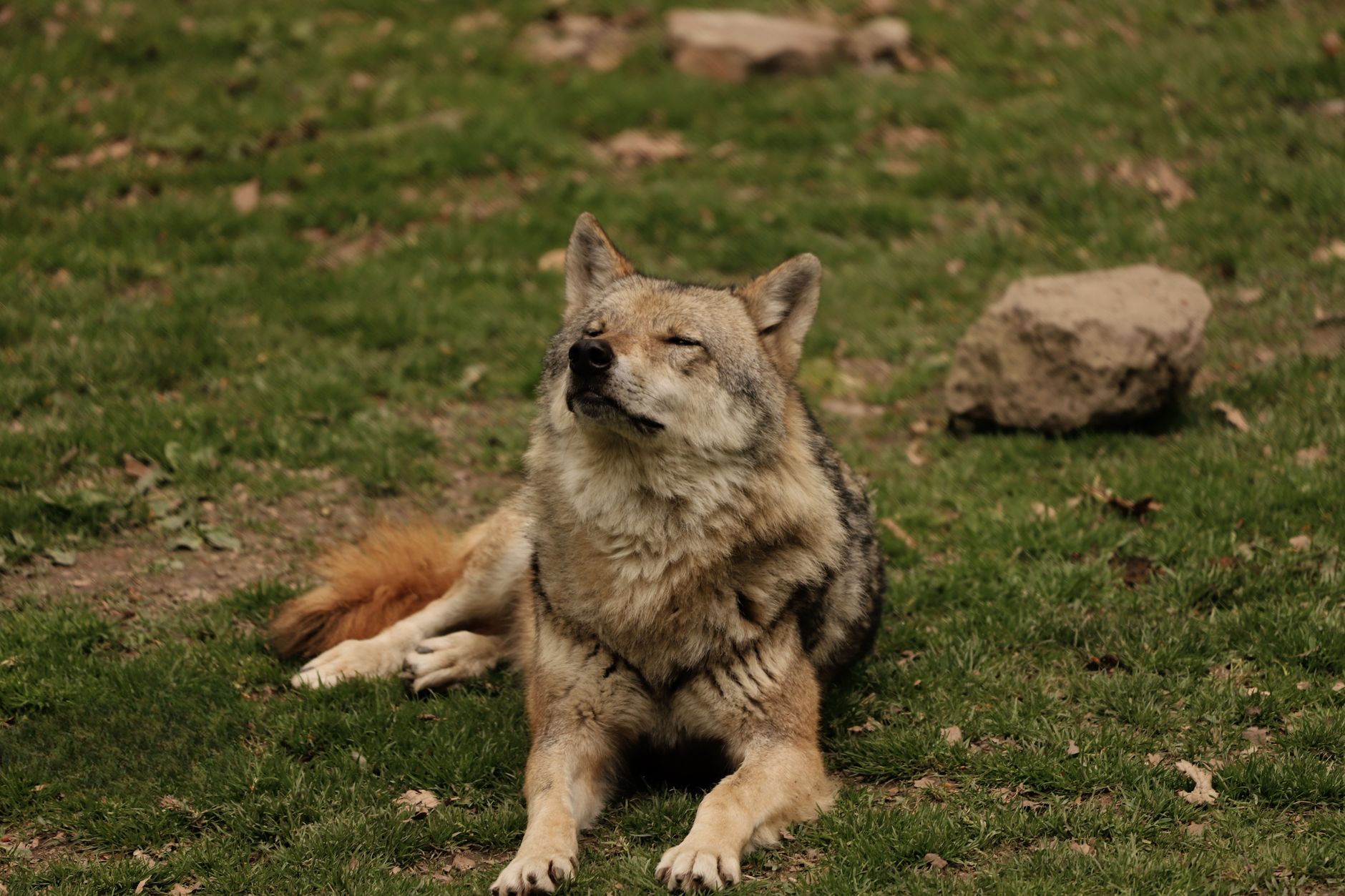
The domestic dog (Canis lupus familiaris) is classified as a subspecies of the gray wolf (Canis lupus). Modern genetic research shows that dogs did not descend from today’s living wolf populations. Instead, they originated from an ancient wolf lineage that no longer exists in its original form.
This distinction is important. A modern wolf and a modern dog are evolutionary relatives, but neither is the direct parent of the other. Both descended from a shared ancestral wolf population that lived thousands of years ago.
Scientists continue to study exactly where and when this transformation occurred. Genetic evidence suggests that dog domestication happened at least 15,000 years ago, although some archaeological and genomic studies suggest the process may have begun even earlier.
How Wolves Became Dogs
The transition from wild wolves to domestic dogs was not an overnight event. It likely began when certain wolves became increasingly comfortable living near human campsites.
Early human settlements created new ecological opportunities. Food scraps and discarded animal remains provided an easy source of calories for less fearful wolves. Over generations, wolves that tolerated human presence had an advantage because they could access food without direct competition or conflict.
This process is often described as self-domestication. Instead of humans initially capturing and training wolves, some wolves may have gradually selected themselves by adapting to human environments.
Traits that helped early dogs survive near humans
- Reduced fear and aggression toward people.
- Greater ability to interpret human behavior and communication.
- Increased social tolerance.
- Changes in appearance and physical development associated with domestication.
Over time, humans also began intentionally selecting dogs for useful abilities, such as hunting, guarding, herding, and companionship.
Ancient Wolves Were Not Identical to Modern Wolves
One common misunderstanding is that early dogs evolved directly from the gray wolves living today. The reality is more complicated because ancient wolf populations were genetically diverse.
During the Late Pleistocene period, many different wolf populations existed across Eurasia and North America. Some of these ancient lineages disappeared, while others contributed genetic material to modern wolves and dogs.
The extinct wolf ancestors of dogs likely had different genetic characteristics from modern wolves because thousands of years of evolution have changed both groups independently.
The Scientific Evidence Behind Dog Origins
Researchers have used multiple forms of evidence to understand dog ancestry, including genetics, archaeology, and comparisons of animal behavior.
| Evidence Source | What It Reveals |
|---|---|
| Ancient DNA | Shows relationships between prehistoric dogs, wolves, and modern breeds. |
| Archaeological remains | Provides evidence of early dogs living alongside humans. |
| Morphological changes | Shows differences in skull shape, teeth, and body structure caused by domestication. |
| Behavioral studies | Explains how dogs developed unique social abilities with humans. |
Ancient dog remains discovered at archaeological sites demonstrate that early dogs lived alongside humans long before modern breeds existed. These early dogs looked more wolf-like than many dogs today, but they already showed signs of domestication.
Why Dogs Changed So Dramatically After Domestication
Few domesticated animals display as much physical diversity as dogs. A Chihuahua and a Great Dane belong to the same species, yet their body size, appearance, and behavior are remarkably different.
This diversity developed because humans selectively bred dogs for specific purposes. Unlike natural evolution, selective breeding allowed humans to amplify particular traits over relatively short periods.
Examples of selective breeding goals
- Hunting ability in breeds developed for tracking or retrieving.
- Herding instincts in livestock-working dogs.
- Strength and endurance in working breeds.
- Temperament traits suitable for companionship.
While selective breeding created valuable abilities, it also produced health challenges in some modern breeds. Extreme physical traits can increase the risk of inherited conditions, which is why responsible breeding practices remain important.
Were Dogs Domesticated Once or Multiple Times?
The exact location and timing of dog domestication remain subjects of scientific debate. Some studies suggest dogs may have originated from a single domestication event, while others propose multiple populations of ancient wolves contributed to early dogs.
Recent genetic research generally supports a complicated history involving ancient wolf populations and early dog groups that exchanged genes over time. The process was likely influenced by human migration, changing climates, and different cultural relationships with animals.
Rather than a simple transformation from one species into another, dog evolution was a long partnership shaped by both humans and wolves.
How Dog Ancestry Explains Modern Dog Behavior
The wolf ancestry of dogs still influences many behaviors seen today. Dogs retain instincts related to social cooperation, communication, territory, and hunting, but domestication changed how these instincts are expressed.
Compared with wolves, dogs are generally better adapted to reading human signals, forming close social bonds with people, and cooperating across species boundaries.
This ability to work with humans is one of the defining characteristics of dogs. Their evolutionary success was not only based on physical adaptation but also on their ability to become partners in human environments.
The Enduring Relationship Between Humans and Dogs
The ancestors of dogs were ancient wolves, but the modern dog is the result of a unique evolutionary partnership. Over thousands of years, humans shaped dogs through selection, while dogs influenced human societies through hunting assistance, protection, work, and companionship.
Understanding dog ancestry helps explain why dogs remain so adaptable and socially connected to people. They are not simply domesticated wolves; they are a distinct evolutionary success story created through a long relationship between two highly social species.
“`