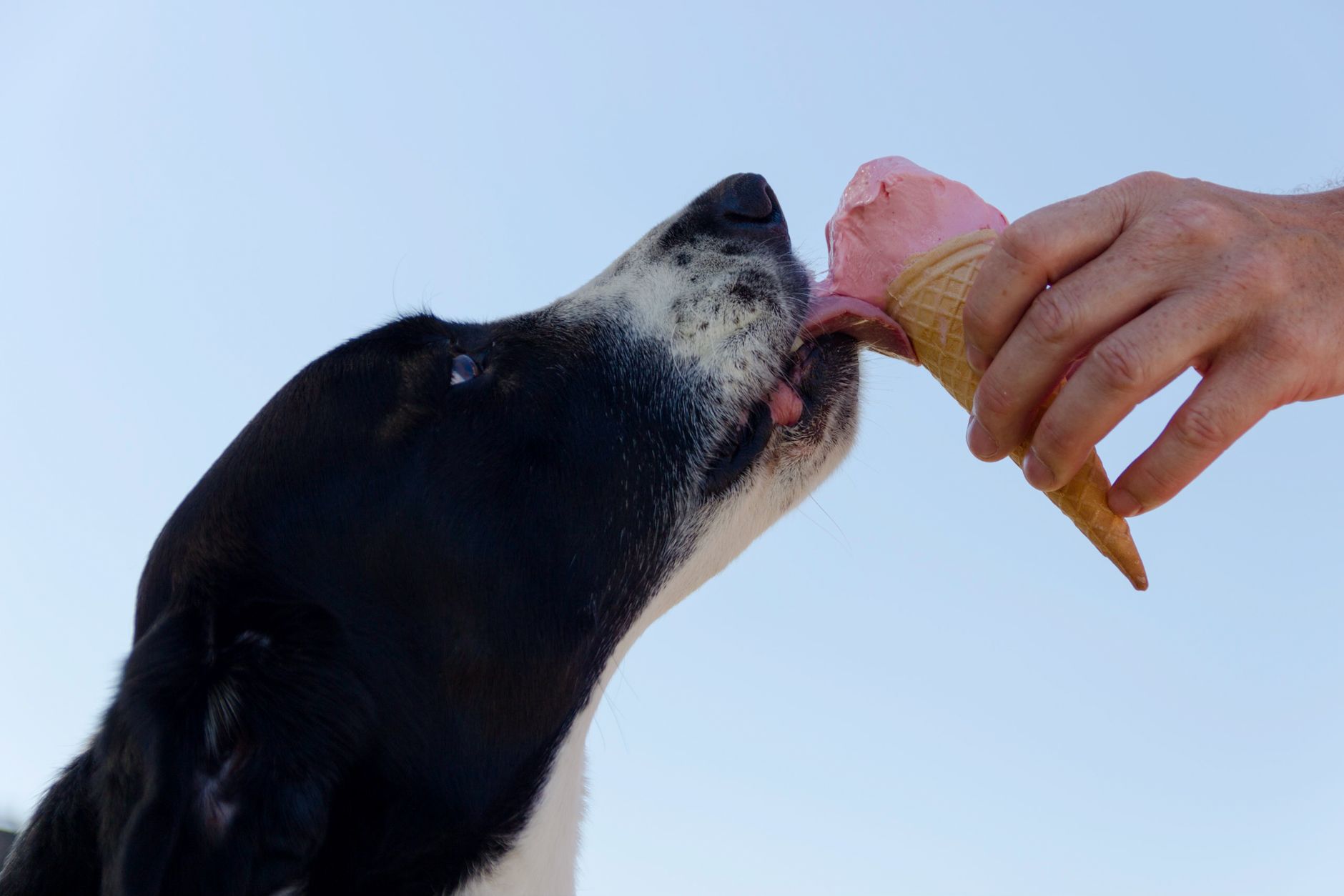
Dogs have a natural habit of watching their owners during meals, waiting for a small piece of whatever is on the plate. For many families, sharing food feels like an expression of love. However, a food that is healthy for humans is not automatically safe for dogs.
Some human foods can provide dogs with useful nutrients and make healthy occasional treats, while others can cause serious illness even in small amounts. The difference often comes down to ingredients, preparation methods, portion size, and the individual dog’s health condition.
Understanding which human foods dogs can eat safely allows owners to share responsibly without accidentally putting their pets at risk.
Human food is not the same as dog nutrition
Dogs are adaptable animals, but their nutritional needs are different from humans. A balanced dog diet is carefully formulated to provide the correct amounts of protein, fat, vitamins, minerals, and essential nutrients.
Human foods should generally be viewed as occasional treats rather than replacements for a complete canine diet. Even healthy foods can create problems when given too often because they may disturb nutritional balance or add unnecessary calories.
The safest approach is choosing simple, unprocessed foods and offering them in moderation.
Human foods that are generally safe for dogs
Lean meats
Plain cooked meats such as chicken, turkey, and lean beef can be good sources of protein for dogs. They should be served without seasoning, sauces, garlic, onions, or excessive fat.
Processed meats such as bacon, sausage, and heavily seasoned foods are different because they often contain high levels of salt, fat, and additives that are unsuitable for dogs.
Carrots
Carrots are a popular dog-friendly snack because they are low in calories and provide fiber and nutrients. They can be served raw in appropriate sizes or cooked without added ingredients.
Apples
Apples can be a refreshing treat when prepared correctly. Owners should remove the seeds and core because apple seeds contain compounds that are unsafe when consumed in significant quantities.
Blueberries
Blueberries are often used as small training rewards because they are easy to portion and contain antioxidants. Like all treats, they should still be offered in moderation.
Plain pumpkin
Plain pumpkin is commonly used as a dietary addition for some dogs because it contains fiber. However, pumpkin products made for humans may contain sugar, spices, or other ingredients that are not appropriate.
Rice and plain grains
Plain cooked rice and some other simple grains can be tolerated by many dogs. They are sometimes included in temporary diets for dogs with digestive issues, but they should not replace balanced nutrition long term.
Foods dogs can eat only with careful preparation
Some foods are not necessarily dangerous but require specific preparation before being offered.
- Eggs: Plain cooked eggs can provide protein, but raw eggs may carry risks and should be avoided unless specifically advised.
- Fish: Plain cooked fish can be suitable, but bones must be removed and seasoning avoided.
- Cheese: Small amounts may be tolerated by some dogs, but many dogs have difficulty digesting dairy products.
- Peanut butter: Can be used as a treat if it does not contain xylitol, which is extremely dangerous for dogs.
Human foods dogs should never eat
Some everyday foods that humans enjoy can be toxic or dangerous to dogs. These should never be intentionally offered.
Chocolate
Chocolate contains compounds that dogs cannot process effectively. The risk depends on the type of chocolate, amount consumed, and size of the dog.
Grapes and raisins
Grapes and raisins are associated with serious kidney problems in dogs. Because individual sensitivity varies, there is no reliable amount considered safe.
Onions and garlic
Foods in the allium family, including onions, garlic, and related ingredients, can damage a dog’s red blood cells and may cause health problems.
Xylitol-containing products
Xylitol is an artificial sweetener found in some sugar-free products. It can cause dangerous drops in blood sugar and other serious complications in dogs.
Alcohol and caffeinated drinks
Alcohol, coffee, tea, energy drinks, and other caffeine-containing products are unsafe for dogs and should always be kept away from pets.
Why portion size matters more than many owners realize
Even safe foods can become unhealthy when given too frequently. Dogs are much smaller than humans, so a snack that seems insignificant to a person can represent a large calorie increase for a dog.
Treats and human foods should make up only a small part of a dog’s overall daily intake. Excessive treats can contribute to weight gain, digestive problems, and nutritional imbalance.
Factors that change whether a food is suitable
There is no universal list that works perfectly for every dog. A food’s suitability depends on several factors:
- The dog’s size and breed
- Age and life stage
- Existing health conditions
- Food allergies or sensitivities
- The amount consumed
- How the food was prepared
A healthy adult dog may tolerate a small piece of a certain food, while a puppy, senior dog, or dog with medical issues may react differently.
What to do if your dog eats something questionable
If a dog consumes a potentially harmful food, the most important information is what was eaten, how much was consumed, and when it happened.
Owners should avoid inducing vomiting or trying home remedies without professional guidance. Some substances can cause additional harm if handled incorrectly.
Contacting a veterinarian is the safest option when a toxic food may have been consumed or when symptoms appear.
A simple rule for sharing food with dogs
The safest human foods for dogs are usually plain, fresh, minimally processed foods without added salt, sugar, seasoning, sauces, or artificial ingredients.
Before offering any food, ask three questions:
- Is this food known to be safe for dogs?
- Has it been prepared without harmful ingredients?
- Am I giving a small enough amount?
The bottom line: sharing is fine when safety comes first
Many human foods can be enjoyed by dogs as occasional treats, and sharing a small snack can strengthen the bond between pets and owners. The key is understanding that dogs are not small humans and do not process food exactly the same way.
Choosing safe ingredients, controlling portions, and avoiding toxic foods allows owners to share moments with their dogs while protecting their long-term health. The best treats are not only enjoyable but also appropriate for a dog’s body.
“`