The modern dog is one of the most adaptable mammals on Earth. Unlike many animals that depend on a specific natural environment, domestic dogs can live successfully in apartments, farms, rural communities, cities, and working environments across the world. This flexibility is a direct result of thousands of years of domestication and their close relationship with humans.
When discussing a dog’s habitat, it is important to distinguish between the habitat of domestic dogs and the environments occupied by their wild ancestors. Today’s dogs do not have one single natural habitat. Instead, their living conditions are largely determined by human society, while their biology still reflects traits inherited from ancient canine relatives.
The Domestic Dog’s Habitat Is Defined by Human Partnership
The primary habitat of the domestic dog is the human environment. Dogs have evolved to live alongside people, relying on human communities for food, shelter, protection, and social interaction.
A dog’s habitat may include:
- Urban environments: Apartments, neighborhoods, parks, and city streets where dogs interact with dense human populations.
- Suburban homes: Residential areas with gardens, yards, and family spaces.
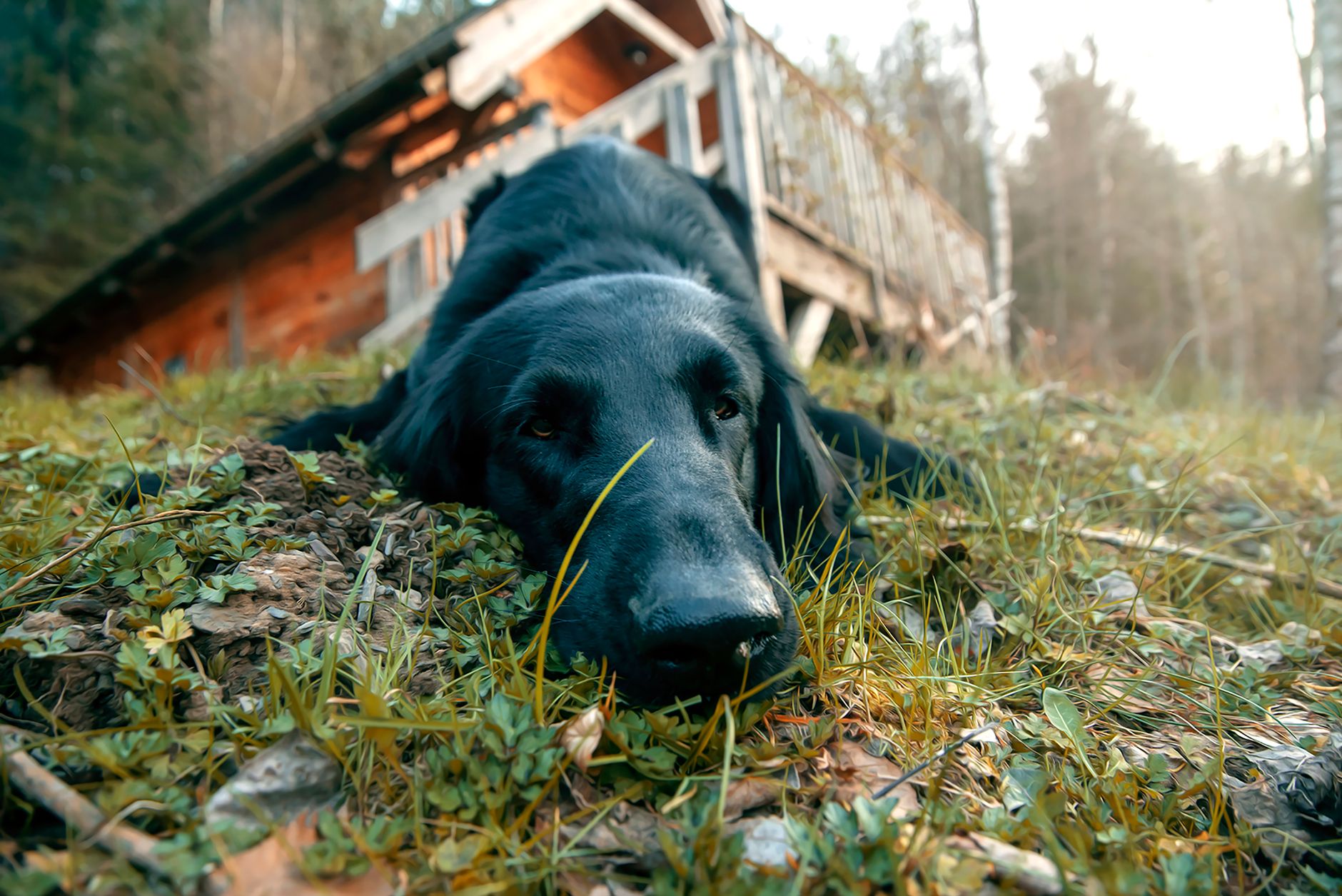
- Rural areas: Farms and countryside environments where dogs may work as guardians, herders, or companions.
- Working environments: Locations such as search-and-rescue operations, police facilities, farms, and service settings.
Unlike wild animals, domestic dogs generally do not select habitats based only on climate, prey availability, or natural shelter. Their survival is closely connected to human care and management.
How Dogs Adapt to Different Environments
Dogs are highly adaptable because domestication changed many aspects of their behavior. They developed stronger social bonds with humans, improved communication abilities, and greater tolerance for living in varied conditions.
However, adaptability does not mean every environment is suitable for every dog. A dog’s physical traits, energy level, size, and historical purpose influence which habitats are most appropriate.
| Dog Type | Habitat Requirements | Important Considerations |
|---|---|---|
| High-energy working breeds | Homes with space, outdoor activity, and structured exercise. | May struggle in environments without sufficient mental and physical stimulation. |
| Small companion breeds | Urban homes and indoor living can often be suitable. | Still require exercise, training, and social interaction. |
| Cold-weather breeds | Cooler climates are generally more comfortable. | May experience heat stress in hot environments. |
| Short-nosed breeds | Controlled indoor environments may be preferable. | Can have difficulty regulating body temperature, especially in heat. |
The Wild Roots Behind the Domestic Dog
The domestic dog belongs to the canine family, and its closest living wild relative is the gray wolf. Although dogs have changed dramatically through domestication, they still share many behavioral and biological characteristics with wild canids.
Before domestication, ancient canine ancestors lived in diverse habitats, including forests, grasslands, and open landscapes. These environments required survival skills such as hunting, cooperation, territorial awareness, and communication through body language and vocal signals.
Modern dogs retain some of these instincts. Many dogs still show behaviors such as digging, scent tracking, guarding territory, chasing movement, and forming strong social groups.
Do Dogs Have a Natural Habitat Like Wild Animals?
Strictly speaking, domestic dogs do not have a natural habitat in the same way that wolves, bears, or wild cats do. A natural habitat is an environment where a species evolved and survives independently without human support.
Domestic dogs are a human-dependent species. Although some dogs live as free-ranging populations in certain regions, their existence is often influenced by human settlements, discarded food sources, and human-modified environments.
This distinction matters because a stray or free-ranging dog is not the same as a wild canine. These dogs may survive without direct ownership but still rely heavily on environments shaped by people.
Environmental Needs That Every Dog Habitat Should Provide
Regardless of where a dog lives, a suitable habitat must support its physical and psychological needs.
- Safe shelter: Protection from extreme temperatures, rain, and unsafe conditions.
- Reliable nutrition and water: Consistent access to appropriate food and clean drinking water.
- Social connection: Dogs are social animals and generally benefit from interaction with humans or other compatible animals.
- Exercise opportunities: Regular movement helps maintain physical health and reduces behavior problems.
- Mental stimulation: Training, play, exploration, and problem-solving activities support healthy behavior.
How Habitat Influences Dog Behavior
A dog’s environment can strongly affect its behavior. Many issues that owners describe as “bad behavior” are connected to unsuitable living conditions rather than personality alone.
For example, a highly active dog kept in a small space without exercise may develop destructive habits, excessive barking, or anxiety. Similarly, a social dog isolated for long periods may experience stress and behavioral changes.
Creating an appropriate habitat means matching the environment to the individual dog rather than expecting every breed or personality type to adapt equally.
Dogs in Different Human Environments Around the World
Dogs have become one of the most geographically widespread domesticated animals. They live in almost every climate and human settlement pattern on Earth.
In some regions, dogs primarily serve as family companions. In others, they perform important working roles such as livestock protection, transportation assistance, hunting support, detection work, and emergency response.
This global diversity demonstrates the remarkable flexibility of dogs, but it also highlights the responsibility humans have in providing environments that meet their needs.
The Best Habitat for a Dog Is One That Matches Its Needs
There is no single ideal habitat for every dog. A large working breed may thrive on a farm with daily tasks, while a smaller companion dog may be perfectly suited to an apartment with regular walks and interaction.
The most suitable habitat is one that provides safety, care, stimulation, and a strong social relationship with humans. Dogs have adapted to live almost anywhere people do, but their well-being depends on whether their environment supports the instincts and needs inherited from their long history as social animals.