Identifying a dog breed is not always as simple as matching a face to a picture. Many dogs share similar physical features, and mixed-breed dogs can inherit traits from several different lineages. A reliable identification process considers a combination of appearance, behavior, history, and genetic information rather than relying on one obvious characteristic.
Understanding what kind of dog a breed is involves looking beyond size or coat color. Breed identification can help owners better understand a dog’s potential temperament, exercise needs, grooming requirements, and health considerations.
The main clues used to identify a dog breed
Professional breed identification typically relies on several observable characteristics. No single feature can always confirm a breed, but multiple clues together can create a more accurate picture.
Body structure and size
A dog’s overall build provides important information about its breed background. Factors such as height, weight, bone structure, chest shape, and body proportions can indicate whether a dog was developed for activities like hunting, herding, guarding, companionship, or endurance work.
For example, breeds developed for speed often have lean, athletic bodies, while working breeds may have stronger frames designed for physical tasks.
Coat type and texture
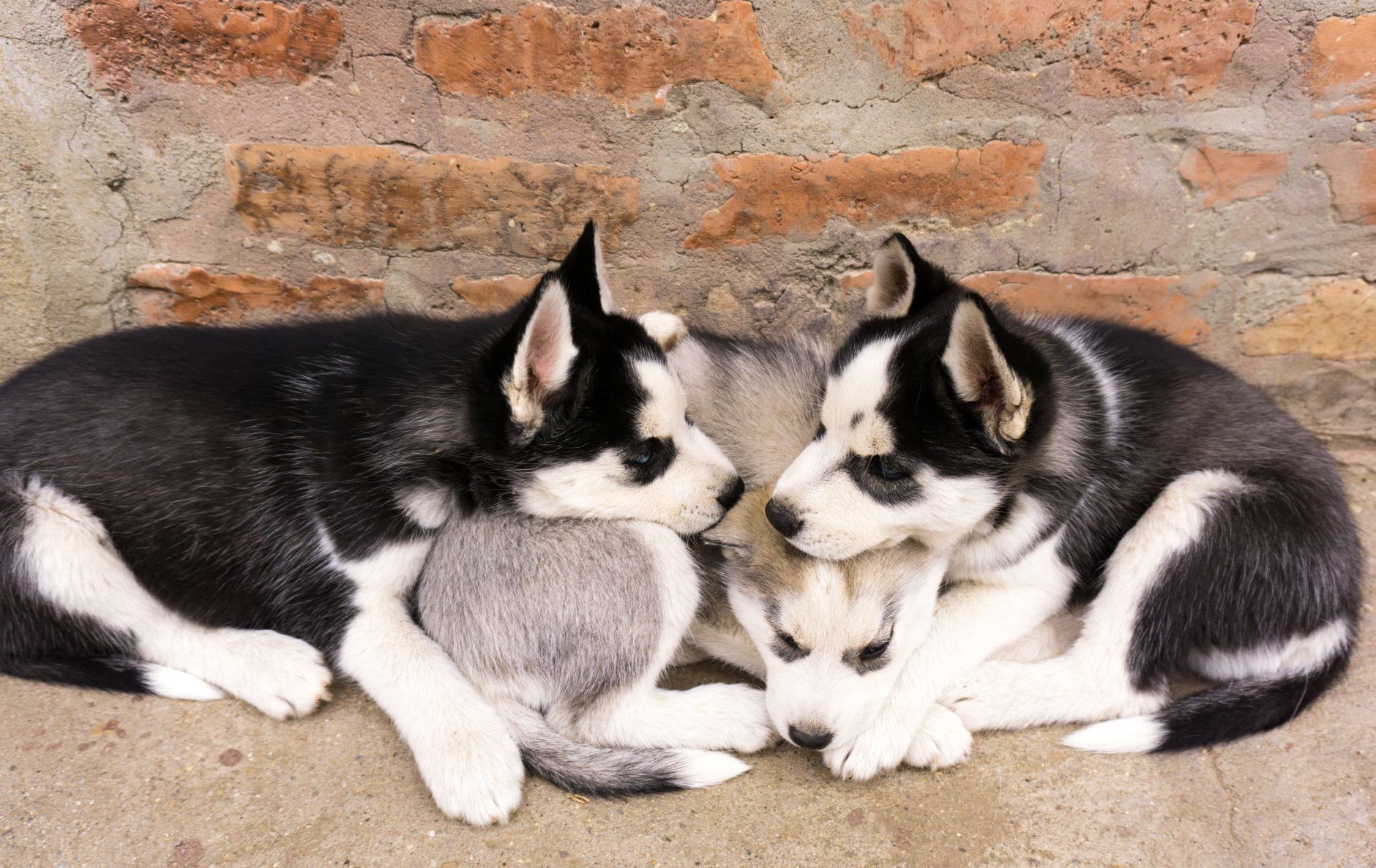
The coat is one of the most noticeable breed indicators. Dogs may have short, dense, curly, wiry, or double-layered coats depending on the environment and purpose they were originally bred for.
- Double coats are common in breeds developed for cold climates or outdoor work.
- Curly coats may appear in breeds developed for water work or reduced shedding characteristics.
- Wire coats are often associated with hunting breeds that worked in rough terrain.
- Short coats are common among many athletic and working breeds.
Head shape and facial features
The shape of a dog’s head, ears, muzzle, and eyes can provide useful clues. Some breeds are recognized by distinctive characteristics such as long floppy ears, a broad head, a narrow muzzle, or upright pointed ears.
However, facial features can vary significantly within the same breed, and mixed breeds may display combinations of traits from different ancestors.
Behavior and temperament
A dog’s personality can reveal clues about its breed background. Many breeds were developed with specific jobs in mind, and those original purposes still influence modern behavior.
| Behavior pattern | Possible breed background |
|---|---|
| Strong chasing instinct | May indicate hunting or sporting ancestry. |
| High energy and problem-solving ability | Common in herding and working breeds. |
| Alertness and protective behavior | Often seen in guardian-type breeds. |
| Strong attachment to people | Frequently found in companion and service-oriented breeds. |
Why breed identification can be challenging
Many dogs today are mixed breeds, meaning their appearance may not clearly match a single recognized breed. A dog with traits resembling a Labrador Retriever, for example, may have inherited those features from several unrelated ancestors.
Visual identification also has limitations. Research has shown that even experienced observers may incorrectly identify the breed makeup of mixed-breed dogs based only on appearance. Physical traits do not always reveal genetic ancestry accurately.
Using DNA testing to learn a dog’s background
DNA testing has become a popular tool for owners who want more information about a dog’s ancestry. These tests analyze genetic markers to estimate breed composition and may also provide information about inherited health risks.
DNA results can be useful, but they should be interpreted carefully. Different testing companies may use different databases and methods, meaning results can vary. A DNA report is best viewed as one source of information rather than an absolute definition of a dog’s identity.
Why knowing a dog’s breed matters
Breed information is valuable because it can help owners make better decisions about care. Different breeds may have different requirements related to exercise, grooming, training, and health monitoring.
- High-energy breeds may need more physical activity and mental stimulation.
- Long-coated breeds often require more frequent grooming.
- Large breeds may have different nutritional and joint-care considerations.
- Working breeds may need structured activities to prevent boredom.
Common mistakes when guessing a dog breed
Breed identification is often influenced by assumptions based on appearance alone. A large dog with a thick coat is not automatically a specific northern breed, and a small dog with curly fur is not necessarily a particular companion breed.
Another common mistake is focusing only on breed labels while ignoring the individual dog. Personality, training, socialization, and environment often have a major impact on behavior.
A practical approach to identifying a dog breed
- Observe the dog’s size, body shape, coat, ears, and facial features.
- Compare multiple traits rather than relying on one characteristic.
- Consider the dog’s behavior, energy level, and instincts.
- Research possible breed groups instead of assuming a single breed immediately.
- Use genetic testing if a more detailed ancestry estimate is needed.
The bigger picture: breed is only part of the story
Knowing what kind of dog a breed is can provide helpful guidance, but every dog is an individual. Genetics influence tendencies, while training, experiences, and relationships shape the animal’s final personality.
The most accurate understanding of a dog comes from combining breed knowledge with observation of the individual dog’s needs, behavior, and environment.
“`