A dog that becomes distressed when left alone can be difficult for both the pet and the owner. Some dogs bark continuously after their person leaves, destroy household items, pace near doors, or show signs of panic. These behaviors often lead owners to ask, “Does my dog have separation anxiety?”
Separation anxiety is more than a dog simply missing its owner. It is a condition involving intense stress when a dog is separated from a person, environment, or routine that provides security. The emotional response can become so strong that the dog struggles to remain calm even during short periods of alone time.
Understanding why dogs develop separation anxiety is essential because the behavior is not caused by stubbornness or disobedience. Dogs experiencing separation-related distress are reacting emotionally, and effective solutions focus on changing that emotional response rather than punishing the visible behaviors.
What Is Separation Anxiety in Dogs?
Separation anxiety occurs when a dog experiences significant distress after being separated from a person or companion they are strongly attached to. While many dogs prefer being around their families, dogs with separation anxiety have difficulty coping when alone.
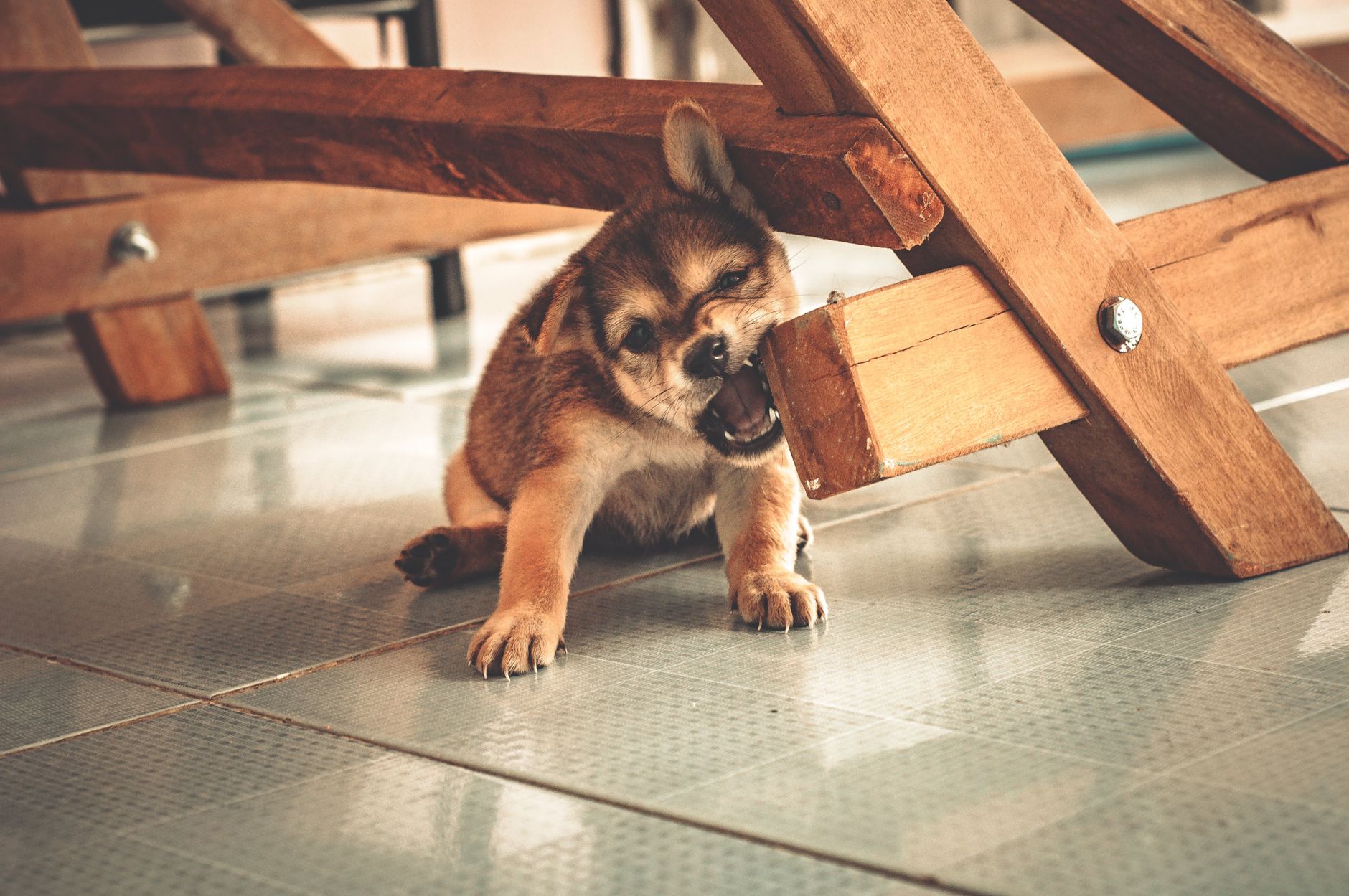
A dog with separation anxiety is not simply being “bad” when it chews furniture, barks, or has accidents indoors. These actions are often symptoms of stress rather than intentional misbehavior.
Common separation-related behaviors include:
- Excessive barking or whining after the owner leaves
- Destructive chewing near doors, windows, or exit areas
- Attempting to escape confinement
- Pacing or restlessness
- Drooling or signs of panic
- House soiling despite being previously trained
- Following the owner constantly before departure
The key difference between normal attachment and separation anxiety is the level of distress. A relaxed dog may sleep while alone, while an anxious dog may remain overwhelmed throughout the owner’s absence.
Why Do Dogs Develop Separation Anxiety?
There is no single cause of separation anxiety. It usually develops from a combination of genetics, experiences, environmental changes, and individual temperament.
Dogs are social animals that evolved to form strong relationships. Their ability to bond with humans is one of the reasons they make such successful companions, but that same attachment can become difficult when a dog lacks the ability to feel secure when alone.
Major Factors That Can Contribute to Separation Anxiety
| Factor | How It May Influence Anxiety |
|---|---|
| Changes in routine | Sudden schedule changes can make a dog uncertain about when people will return. |
| Rehoming or adoption | Dogs with previous instability may struggle with future separations. |
| Major life changes | Moving, family changes, or new environments may trigger stress. |
| Lack of independence training | Dogs that are never gradually taught alone time may find separation harder. |
| Individual temperament | Some dogs are naturally more sensitive or prone to anxiety. |
Common Situations That Trigger Separation Anxiety
Separation anxiety can appear at different stages of a dog’s life. Sometimes the behavior begins after a specific event, while in other cases owners notice it gradually developing.
Changes in Daily Routine
Dogs are creatures of habit. A dog that was accustomed to someone being home all day may struggle when a person suddenly returns to work, school, or a different schedule.
This became a widely discussed concern after periods when many people spent more time at home and later returned to normal routines. Dogs that experienced constant human presence may need help adjusting to longer periods alone.
Adoption and Previous Experiences
Dogs adopted from shelters or previous homes may have unknown histories. Some may have experienced inconsistent care, abandonment, or repeated changes in their living environment.
However, separation anxiety is not limited to rescued dogs. Dogs raised in stable homes can also develop the condition.
Loss of a Companion
A dog may experience increased anxiety after losing another pet or a person they were closely bonded with. The change can affect their sense of security and daily routine.
How to Tell If Your Dog Has Separation Anxiety
Many behaviors associated with separation anxiety can also occur for other reasons. For example, a puppy may have accidents because it is not fully house trained, and a bored dog may chew furniture because it lacks stimulation.
The strongest clue is that the behavior happens primarily when the dog is left alone or separated from a specific person.
Signs that may suggest separation anxiety include:
- The behavior begins shortly after departure.
- The dog appears distressed rather than simply bored.
- The dog becomes anxious during departure routines.
- The dog follows the owner excessively before leaving.
- The behavior improves when someone returns home.
Recording a dog’s behavior with a camera while away can help owners understand what happens after they leave. Many dogs appear calm during departures but become distressed later, making observation valuable.
Separation Anxiety vs Normal Dog Attachment
Dogs naturally enjoy companionship. Wanting to be near people does not automatically mean a dog has separation anxiety.
| Normal Attachment | Possible Separation Anxiety |
|---|---|
| Dog enjoys following family members | Dog becomes panicked when someone leaves |
| Dog relaxes after owner departs | Dog remains distressed during absence |
| Dog can spend time alone comfortably | Dog cannot settle without human presence |
| Occasional attention seeking | Persistent anxiety-related behaviors |
Recognizing the difference prevents owners from treating normal behavior as a problem while still addressing genuine anxiety.
Why Punishment Does Not Fix Separation Anxiety
When owners return home to find damage or messes, frustration is understandable. However, punishment after the event usually does not solve separation anxiety.
Dogs generally do not connect a delayed punishment with something they did earlier. Instead, punishment may increase uncertainty and stress, potentially making future anxiety worse.
The underlying issue is emotional distress. Effective approaches focus on helping the dog feel safer and more confident during alone time.
How Separation Anxiety Is Usually Addressed
Managing separation anxiety requires patience because the goal is changing how the dog feels about being alone. Quick fixes are often unreliable because anxiety is not simply a training mistake.
Gradual Alone-Time Training
One of the most common approaches involves gradually increasing the amount of time a dog spends alone while keeping the experience below the point where panic begins.
The process may involve:
- Starting with very short periods of separation.
- Returning before the dog becomes highly distressed.
- Increasing duration slowly over time.
- Rewarding calm behavior.
The pace depends on the individual dog. Moving too quickly can create setbacks.
Creating Positive Associations With Departure
Dogs often learn that certain signals predict being left alone. Picking up keys, putting on shoes, or grabbing a bag may trigger anxiety before the owner even leaves.
Training can involve changing those associations by pairing departure cues with calm experiences rather than stress.
Building Independence
Dogs benefit from learning that they can relax without constant human contact. Encouraging independent resting, rewarding calm behavior, and providing appropriate enrichment can support confidence.
The Role of Exercise and Mental Stimulation
Meeting a dog’s physical and mental needs is an important part of overall wellbeing, but exercise alone does not cure separation anxiety. A tired dog can still experience panic when left alone.
However, appropriate enrichment can improve a dog’s ability to relax and cope with daily life.
- Age-appropriate exercise
- Training games
- Puzzle toys
- Chewing activities
- Predictable routines
Enrichment works best as part of a broader behavior plan rather than as the only solution.
When Professional Help Is Needed
Some cases of separation anxiety are mild, while others require professional guidance. Dogs that experience intense panic may injure themselves while attempting to escape or become severely distressed.
Professional help may be appropriate when:
- The dog damages doors, windows, or crates.
- The dog attempts dangerous escapes.
- The anxiety does not improve with gradual training.
- The dog shows severe panic symptoms.
- The owner cannot safely manage the behavior.
A veterinarian can also help rule out medical issues and discuss whether additional support, including behavior-focused treatment options, may be appropriate.
Preventing Separation Problems in Dogs
Prevention starts with teaching dogs that alone time is normal. Puppies and newly adopted dogs benefit from gradual independence training rather than being constantly accompanied.
Helpful habits include:
- Introducing short periods of alone time early.
- Maintaining predictable routines.
- Avoiding dramatic departures and arrivals.
- Providing safe enrichment activities.
- Rewarding calm independence.
Helping a Dog Feel Safe When Alone
Separation anxiety is not a sign that a dog is spoiled or poorly trained. It reflects a genuine emotional challenge that requires understanding and a thoughtful approach.
The most successful strategies focus on building confidence, changing emotional responses, and creating positive experiences around independence. Progress may take time, but consistent support can help many dogs become more comfortable spending time alone.
When owners understand why dogs develop separation anxiety and recognize the difference between normal attachment and distress, they can provide better care and build a healthier relationship with their pets.