The domestic dog is one of humanity’s oldest and most influential partnerships with another species. Long before agriculture, cities, or modern civilization emerged, humans formed a relationship with ancestral wolves that eventually produced the animal now known as Canis lupus familiaris.
Understanding where and when dogs were first domesticated is not a simple historical question because domestication was not a single event recorded in one location. Instead, scientists describe it as a long evolutionary process involving interactions between ancient human populations and wolf ancestors over thousands of years.
Current archaeological and genetic evidence suggests that dogs were domesticated at least 15,000 years ago, and possibly earlier, making them the first domesticated animal in human history.
The Search for the First Dogs
For decades, researchers debated where dog domestication began. Early theories often placed the origin of dogs in specific regions such as Europe, the Middle East, or East Asia. However, advances in ancient DNA research have shown that the story is more complex.
Modern dogs share ancestry with ancient wolf populations that lived across Eurasia during the Late Pleistocene period. Because early domestication occurred before written records, scientists rely on several types of evidence:
- Archaeological remains: Ancient bones found alongside humans can reveal whether animals were already living under human influence.
- Genetic studies: DNA comparisons between modern dogs, ancient dogs, and wolves help reconstruct evolutionary relationships.
- Morphological evidence: Changes in skull shape, teeth, and body structure can indicate early domestication.
- Human cultural evidence: Burials and settlements provide clues about how people interacted with early dogs.
When Were Dogs First Domesticated?
The exact date remains debated, but evidence indicates that dog domestication began during the period when humans were still hunter-gatherers.
| Period | Evidence and Significance |
|---|---|
| More than 15,000 years ago | Genetic evidence suggests dogs were already distinct from wolves around this period. |
| Approximately 14,000–12,000 years ago | Archaeological dog remains appear in several Eurasian locations. |
| After the development of agriculture | Dogs became increasingly integrated into human settlements and developed specialized roles. |
Some studies have proposed even earlier domestication dates, potentially beyond 20,000 years ago, but these interpretations remain controversial because distinguishing early domesticated wolves from wild wolves is difficult.
Where Did the First Dogs Come From?
The precise geographic origin of the first domesticated dogs remains unresolved. Rather than a single birthplace, researchers increasingly consider the possibility that domestication involved multiple wolf populations or extensive movement of early dogs between human groups.
Several regions have played important roles in scientific discussions:
Eurasia as the Center of Early Domestication
The strongest evidence points to Eurasia as the region where humans first developed relationships with wolf populations that became dogs. Ancient dog remains have been discovered across Europe and Asia, showing that early dogs spread widely alongside human communities.
Europe’s Ancient Dog Evidence
Archaeological discoveries in Europe include some of the oldest known dog remains. These findings suggest that dogs were already living closely with humans during the Upper Paleolithic period.
Ancient European dogs were not identical to modern breeds. They were early domesticated populations that existed long before selective breeding created today’s diverse varieties.
Asia and the Genetic History of Dogs
East Asia has also been central to research because some genetic studies have identified ancient dog lineages in the region. However, the relationship between different early dog populations remains an active area of scientific investigation.
How Did Wolves Become Dogs?
Dog domestication was likely driven by gradual cooperation rather than humans suddenly capturing and training wolves.
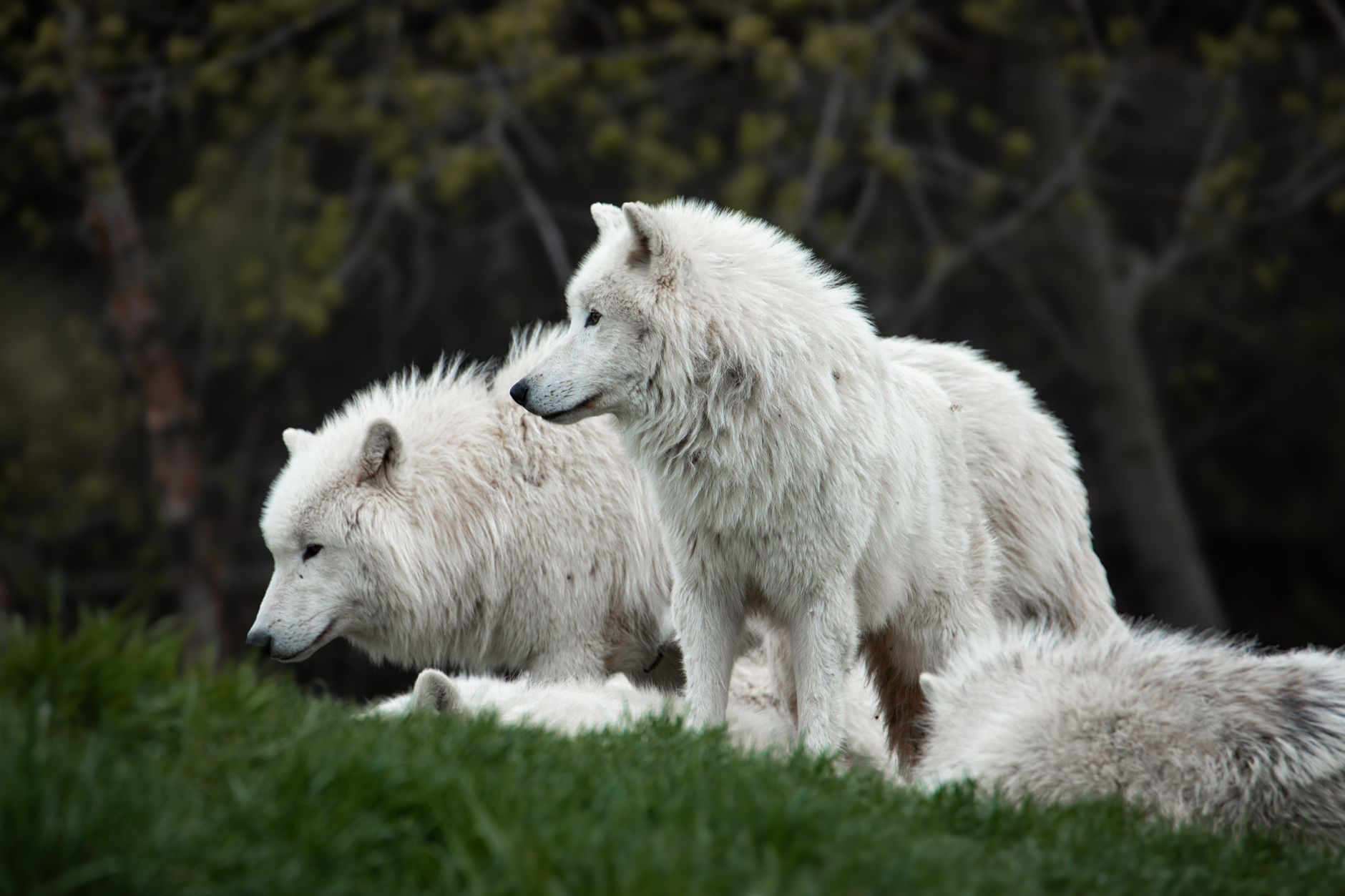
One leading explanation suggests that some wolves began approaching human camps to take advantage of food scraps. Wolves that were less fearful and less aggressive may have benefited from staying near humans, while humans may have benefited from wolves providing warnings, hunting assistance, and protection.
Over many generations, natural selection favored wolves that were more comfortable around people. These changes eventually produced animals with traits associated with domestication:
- Reduced fear of humans.
- Greater ability to communicate with people.
- Changes in body structure and appearance.
- More cooperative behavior.
This process was not the same as modern dog breeding. Early domestication occurred through thousands of years of interaction before humans began intentionally selecting dogs for specific jobs.
Why Dogs Were Domesticated Before Other Animals
Dogs became human companions thousands of years before animals such as cattle, sheep, and horses were domesticated. Their early relationship with humans was possible because wolves already possessed traits useful for cooperation.
Wolves are social animals that naturally live in groups, communicate through body language and vocal signals, and cooperate during hunting. These characteristics made them more compatible with human societies than many other wild species.
Early dogs likely helped humans by:
- Assisting with hunting.
- Alerting groups to approaching threats.
- Providing companionship and social connection.
- Helping humans adapt to new environments.
The Difference Between Early Dogs and Modern Breeds
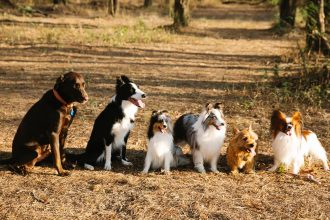
When people imagine dogs today, they often think of breeds such as Labradors, German Shepherds, or Chihuahuas. However, these breeds are extremely recent developments in evolutionary terms.
Most modern dog breeds were created within the last few hundred years through organized selective breeding. Ancient dogs were much more genetically diverse and generally looked more like general-purpose working animals than the specialized breeds familiar today.
| Ancient Dogs | Modern Dog Breeds |
|---|---|
| Developed through early human relationships and natural selection. | Created through deliberate breeding programs. |
| Mostly served general roles such as hunting and companionship. | Often selected for specific traits and jobs. |
| Existed thousands of years ago. | Most appeared relatively recently. |
What the Domestication Story Reveals About Dogs Today
The history of dogs explains why they are unusually skilled at living alongside humans. Their evolution was shaped not only by physical traits but also by social intelligence and communication abilities.
Dogs are able to interpret human gestures, respond to emotional cues, and form strong social bonds because their ancestors survived by becoming increasingly compatible with human communities.
The domestication of dogs was therefore not simply the transformation of a wild animal into a pet. It was a long evolutionary partnership that changed both species. Humans gained a reliable companion and working partner, while dogs gained a unique place within human society that continues more than 15,000 years later.