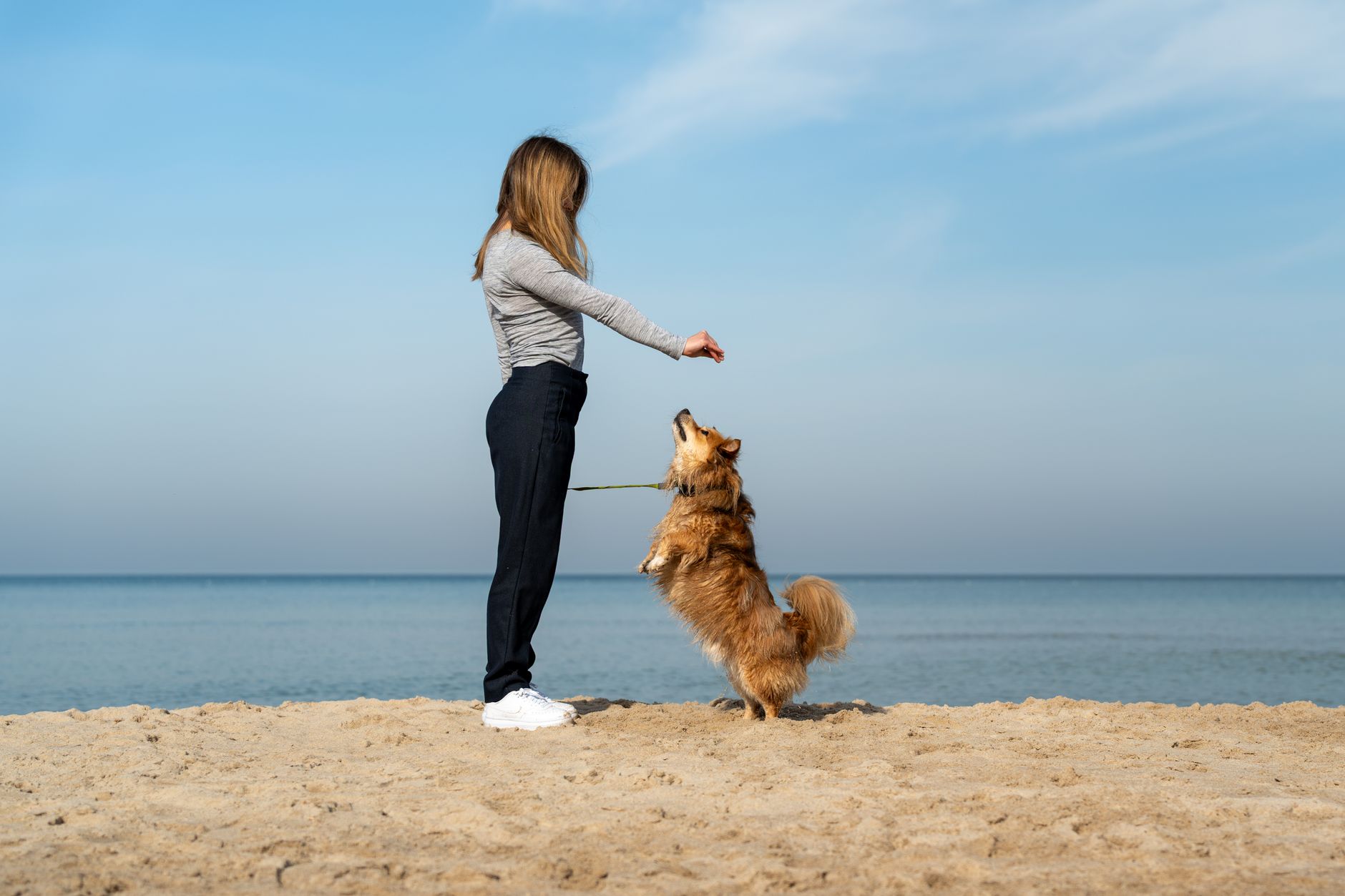
Dogs need more than food, shelter, and routine walks to stay healthy. Mental stimulation, play, and social interaction are essential parts of a balanced lifestyle because dogs are naturally curious animals that use problem-solving, exploration, and communication throughout their daily lives.
A dog that lacks enough enrichment may develop unwanted behaviors such as excessive barking, chewing, digging, restlessness, or attention-seeking. Providing meaningful activities does not require expensive equipment or constant entertainment. The most effective approach combines physical exercise, mental challenges, and activities that match the dog’s personality and natural instincts.
Why entertainment matters for a dog’s well-being
Entertainment for dogs is not simply about keeping them busy. Activities help satisfy important behavioral needs, including exploring their environment, using their senses, solving problems, and interacting with their owners.
Mental stimulation can be especially important for intelligent, energetic, or working breeds that were historically developed for tasks such as herding, hunting, guarding, or retrieving. Without appropriate outlets, these dogs may create their own activities, which are not always desirable for their owners.
Interactive games that challenge your dog’s mind
Problem-solving games encourage dogs to think and use their natural abilities. These activities can often be created with items already available at home.
- Food puzzles: Puzzle feeders and treat-dispensing toys encourage dogs to work for their food instead of eating immediately from a bowl.
- Hide-and-seek: Hiding treats or toys allows dogs to use their powerful sense of smell to search and explore.
- Find the toy: Teaching a dog to locate specific objects builds focus and problem-solving skills.
- Simple training games: Practicing commands, tricks, or new behaviors provides mental exercise while strengthening communication.
Using a dog’s natural instincts through enrichment
The best activities often reflect behaviors dogs are naturally motivated to perform. For example, many dogs enjoy sniffing, searching, carrying objects, chasing, and chewing because these actions are connected to their evolutionary history.
Scent-based activities are particularly valuable because smelling provides significant mental engagement. Allowing a dog to explore smells during walks rather than rushing through the route can make ordinary outings more enriching.
Physical play ideas for healthier dogs
Physical activity supports muscle health, coordination, and emotional balance. The right amount of exercise depends on factors such as age, breed, size, health condition, and individual energy level.
- Playing fetch in a safe area.
- Taking varied walking routes to introduce new environments.
- Playing gentle tug games with clear rules.
- Creating obstacle courses using safe household objects.
- Allowing supervised outdoor exploration.
Owners should avoid assuming that every dog needs intense exercise. Puppies, senior dogs, and dogs with medical conditions may require different forms of activity that are appropriate for their physical abilities.
Indoor activities when outdoor time is limited
Weather, health concerns, or living situations may sometimes prevent long outdoor activities. Indoor enrichment can help dogs stay engaged even in smaller spaces.
- Create a scent hunt by hiding small treats around a room.
- Rotate toys regularly so they remain interesting.
- Practice short training sessions throughout the day.
- Provide safe chew items designed for dogs.
- Use interactive toys that encourage independent play.
Choosing activities based on your dog’s personality
| Dog type | Activities that may work well |
|---|---|
| High-energy dogs | Long walks, training games, retrieval activities, and structured play. |
| Food-motivated dogs | Puzzle feeders, scent games, and reward-based training. |
| Older dogs | Gentle exploration, low-impact games, and cognitive exercises. |
| Independent dogs | Safe solo enrichment activities and exploration opportunities. |
Common mistakes when entertaining dogs
Providing more toys does not always mean providing better enrichment. Many dogs lose interest when they have too many options available at once. Rotating toys and introducing activities gradually can keep them more engaging.
Another common mistake is relying only on physical exercise. A long walk may tire a dog temporarily, but mental challenges are also important because they encourage focus and problem-solving.
Building entertainment into everyday routines
The most sustainable enrichment plans are those that fit naturally into daily life. Feeding can become a training opportunity, walks can become exploration sessions, and short play periods can strengthen the relationship between dogs and their owners.
A happy dog is not necessarily one that is constantly active. The goal is to provide appropriate opportunities for movement, curiosity, learning, and relaxation. By understanding what motivates each dog, owners can create a healthier routine that supports both physical and emotional well-being.
“`