A dog’s transition into old age is not determined by a single number. While many owners expect every dog to become “old” at the same age, veterinary science shows that aging depends on breed, body size, genetics, lifestyle, and overall health. A small companion dog and a giant breed may reach their senior years at very different stages of life.
Understanding when a dog becomes old helps owners recognize changing needs, adjust daily care, and identify potential health concerns before they affect quality of life.
There is no universal age when a dog becomes old
Dogs generally enter their senior stage during the later part of adulthood, but the timeline varies considerably. Smaller dogs often age more slowly, while larger breeds typically experience age-related changes earlier.
| Dog size | Approximate age when considered senior | Common aging pattern |
|---|---|---|
| Small breeds | Around 10 years or older | Often maintain energy and activity for many years. |
| Medium breeds | Around 8 to 10 years | May gradually show changes in metabolism and mobility. |
| Large breeds | Around 7 to 8 years | Often experience physical aging earlier. |
| Giant breeds | Around 6 to 7 years | Have shorter average lifespans and faster aging patterns. |
These categories are general estimates rather than strict rules. A healthy dog may show few signs of aging, while another dog of the same age may already require additional support.
Why some dogs age faster than others
Aging in dogs is influenced by several biological and environmental factors. Breed size is one of the strongest predictors, but it is not the only factor that matters.
- Genetics: Some dogs inherit tendencies toward certain health conditions that can affect longevity.
- Body size: Larger dogs generally experience faster aging processes than smaller breeds.
- Nutrition: A balanced diet throughout life supports healthier aging.
- Exercise: Appropriate physical activity helps maintain muscle strength and mobility.
- Preventive care: Regular veterinary visits can help detect problems earlier.
Signs that a dog is entering old age
Dogs usually do not become old suddenly. Instead, owners may notice gradual changes in appearance, behavior, and physical ability.
- Lower activity levels: Older dogs may sleep more and tire more quickly.
- Joint stiffness: Difficulty climbing stairs, jumping, or standing up can indicate mobility changes.
- Changes in weight: Some senior dogs gain weight due to reduced activity, while others lose muscle mass.
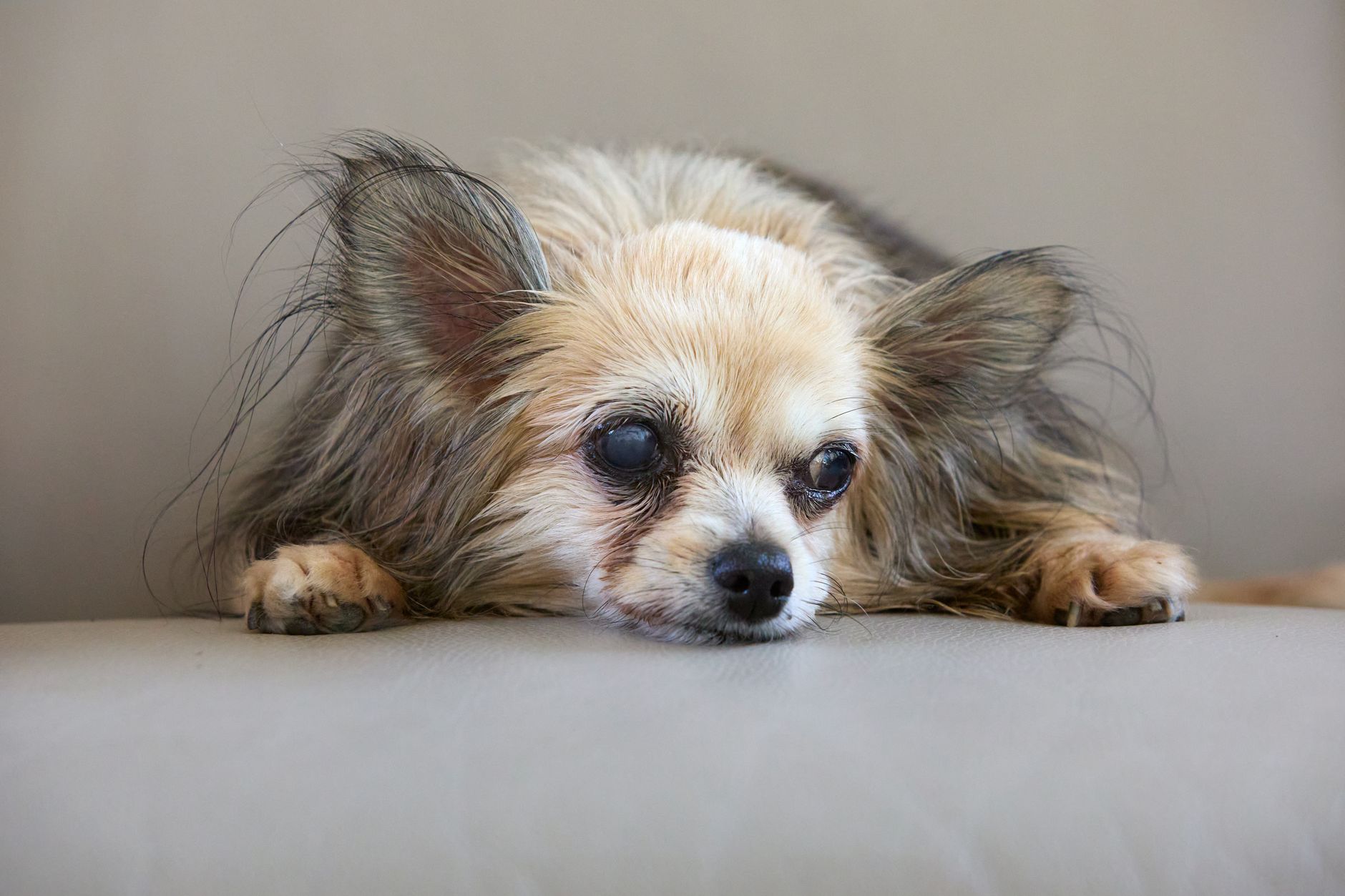
- Reduced senses: Hearing and vision may decline with age.
- Behavior changes: Some dogs may become more anxious, confused, or develop altered sleep patterns.
- Dental issues: Oral health problems become more common as dogs grow older.
How care should change as dogs get older
Becoming an older dog does not mean a pet should stop being active or enjoying daily life. Instead, care strategies should evolve to match changing physical needs.
Maintain appropriate exercise
Senior dogs still benefit from regular movement. However, activities may need to become gentler and more controlled. Short walks, swimming, or low-impact play can help preserve mobility without excessive strain.
Adjust nutrition when needed
Older dogs may have different nutritional requirements depending on their health, body condition, and activity level. Some may need dietary adjustments to support weight control, digestion, or muscle maintenance.
Increase health monitoring
Veterinary examinations become increasingly important as dogs age. Routine monitoring can help identify common age-related concerns such as arthritis, dental disease, kidney problems, heart conditions, or changes in cognitive function.
Is a 10-year-old dog considered old?
A 10-year-old dog may be considered senior, but the meaning of that age depends heavily on breed. For a small dog, 10 years may represent a comfortable stage of mature adulthood with many active years ahead. For a large breed, the same age may represent a much later stage of life.
Age should therefore be viewed together with overall health, mobility, and behavior rather than as the only measure of a dog’s condition.
Senior dogs can continue to live fulfilling lives
Older dogs often remain affectionate, engaged, and capable of enjoying daily activities. Aging changes what a dog needs, but it does not remove its ability to experience comfort, companionship, and enrichment.
The best approach is to focus on maintaining quality of life through appropriate exercise, preventive healthcare, proper nutrition, and attention to individual changes. A dog’s age tells part of the story, but its health and happiness reveal much more.
“`