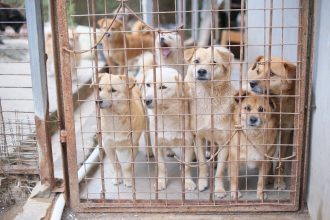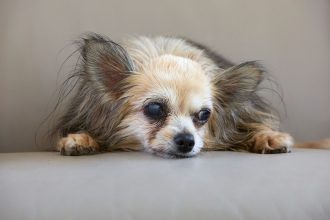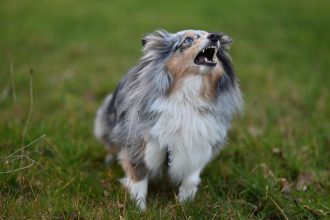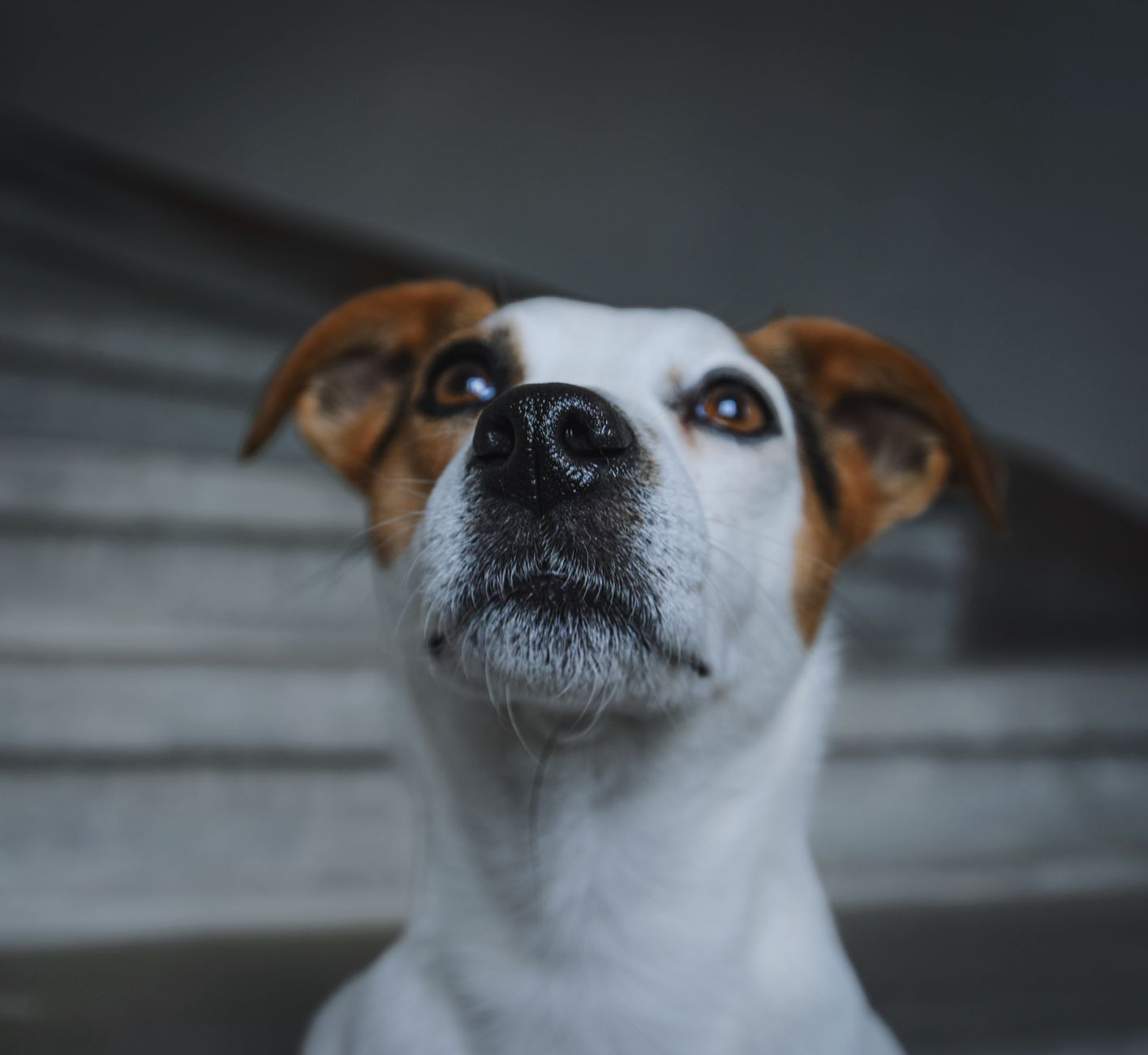
When someone asks “what does a dog look like?”, the simple answer is often a picture of a four-legged animal with fur, a tail, floppy or upright ears, and a familiar friendly expression. However, dogs are among the most visually diverse domesticated animals on Earth. Their appearances can vary dramatically depending on breed, genetics, purpose, environment, and selective breeding history.
A tiny companion dog may weigh only a few pounds and fit comfortably in a person’s arms, while a large working breed can stand much taller and have a powerful build designed for strength and endurance. Some dogs have long flowing coats, others have short hair, and some have unique features such as wrinkled skin, curled tails, or distinctive facial structures.
Understanding a dog’s appearance involves more than recognizing basic features. A dog’s body shape, coat, ears, eyes, and movement often reveal information about its breed background, instincts, and original role. Whether someone is identifying a dog, choosing a breed, or simply learning about canine diversity, appearance provides fascinating clues about these animals.
The Basic Physical Features That Define a Dog
Although dogs come in thousands of different appearances, they share several physical characteristics that distinguish them as members of the same species. These traits developed through evolution from wolves and were later shaped by thousands of years of human breeding.
Most dogs have a similar basic structure:
- Four legs designed for movement and balance
- A head with a muzzle and strong jaw structure
- Two eyes positioned for visual awareness
- Two ears used for hearing and communication
- A tail used for balance and social signals
- A coat of fur that provides protection
While these features are shared, the proportions and details can differ greatly. A greyhound’s narrow body is built for speed, while a bulldog’s compact frame reflects a very different breeding history.
How Dog Sizes and Body Shapes Differ
One of the most noticeable differences between dogs is their size. Domestic dogs range from extremely small breeds designed primarily for companionship to large breeds developed for guarding, pulling, hunting, or working alongside humans.
| Size Category | Typical Characteristics | Examples of Breeds |
|---|---|---|
| Small dogs | Compact bodies, lightweight frames, often bred for companionship | Chihuahua, Yorkshire Terrier, Pomeranian |
| Medium dogs | Balanced size with varied working and companion roles | Beagle, Border Collie, Cocker Spaniel |
| Large dogs | Strong builds, often developed for guarding, hunting, or working | German Shepherd, Labrador Retriever, Great Dane |
Body shape is just as important as size. Dogs may have long legs, short legs, broad chests, narrow waists, heavy muscles, or compact builds. These physical differences are connected to what humans historically bred dogs to do.
Understanding Dog Faces and Facial Features
A dog’s face is one of its most recognizable characteristics. Facial structure influences appearance, communication, and sometimes health.
Muzzle Shape
The muzzle is the part of the face that extends from the eyes toward the nose. Dogs with long muzzles, such as many hunting breeds, often have facial structures associated with tracking and scent work. Dogs with shorter muzzles, such as pugs and bulldogs, have flatter faces due to selective breeding.
Shorter-faced dogs can have a distinctive appearance, but some may experience breathing-related challenges because of their anatomy. Understanding appearance also means recognizing that certain physical traits can affect a dog’s wellbeing.
Eyes and Expressions
Dogs have expressive eyes that play an important role in communication. Eye shape, color, and position vary among breeds. Some dogs have round, prominent eyes, while others have narrower, more focused expressions.
A dog’s facial expression is influenced by both genetics and emotion. A relaxed dog may appear soft and comfortable, while a stressed dog may show changes in eye contact, facial tension, or posture.
The Amazing Variety of Dog Coats
Coat type is one of the easiest ways to notice differences between dogs. Fur developed to protect dogs from environmental conditions, but selective breeding has created an enormous range of textures, lengths, and patterns.
Common coat variations include:
- Short coats: Smooth and close to the body, requiring relatively simple maintenance.
- Long coats: Flowing or feathered fur that often requires regular grooming.
- Curly coats: Hair that forms waves or curls and may require specialized care.
- Double coats: A protective undercoat and outer coat designed for insulation.
- Wire coats: Rough-textured fur commonly seen in certain working and hunting breeds.
Coat color also varies widely. Dogs may have solid colors, mixed patterns, spots, stripes, or unique markings. Genetics determine these patterns, making every dog’s appearance slightly different.
Dog Ears: Shape, Function, and Communication
A dog’s ears are not just a visual feature. They are an important part of canine communication. Ear position can reveal emotions such as curiosity, excitement, fear, or relaxation.
| Ear Type | Description | Common Examples |
|---|---|---|
| Floppy ears | Hanging ears that rest beside the head | Beagle, Cocker Spaniel |
| Pointed ears | Upright ears with a sharp appearance | German Shepherd, Siberian Husky |
| Folded ears | Partially raised ears with a natural fold | Terriers and some herding breeds |
Ear shape varies naturally, but ear movement is often more meaningful than appearance alone. A dog holding its ears differently may be responding emotionally to its surroundings.
Why Dogs Look So Different From Each Other
The incredible variety of dog appearances exists because humans selectively bred dogs for thousands of years. Unlike many wild animals, dogs were shaped around specific jobs and human preferences.
Different groups of dogs were developed for different purposes:
- Herding dogs were bred to control livestock.
- Hunting dogs were developed for tracking and retrieving.
- Guarding breeds were selected for strength and alertness.
- Companion breeds were developed primarily for human companionship.
- Working breeds were bred for endurance and physical tasks.
These roles influenced body structure, coat type, size, and temperament. A dog’s appearance is often a reflection of its historical purpose.
What Does a Mixed-Breed Dog Look Like?
Mixed-breed dogs can have an enormous range of appearances because they inherit combinations of traits from different genetic backgrounds. Some may resemble a specific breed, while others have completely unique features.
A mixed-breed dog may have:
- The coat pattern of one breed
- The body shape of another breed
- A combination of different ear and tail traits
- A completely unpredictable appearance
This diversity is part of what makes mixed-breed dogs unique. Appearance alone cannot always accurately determine a dog’s ancestry or behavior.
How Age Changes What a Dog Looks Like
A dog’s appearance changes throughout its life. Puppies often look very different from adult dogs because their bodies, coats, and facial features develop over time.
Common age-related changes include:
- Growth in body size and muscle development
- Changes in coat texture
- Graying around the face in older dogs
- Changes in body shape and posture
Senior dogs may develop a different appearance as they age, but these changes are a normal part of life and do not reduce their ability to form strong relationships with people.
How to Identify What Kind of Dog You Are Looking At
Identifying a dog’s breed or background based only on appearance can be difficult. Many dogs share similar physical traits, and mixed-breed dogs may not fit traditional categories.
Helpful clues include:
- Overall body size and shape
- Coat texture and color patterns
- Ear and tail characteristics
- Facial structure
- Movement style
- Behavior and temperament
DNA testing can provide additional information about ancestry, but physical appearance alone is not always enough to determine a dog’s background accurately.
What Makes Every Dog’s Appearance Unique
Even dogs from the same breed can look different because genetics create natural variation. Small differences in coat markings, facial features, body proportions, and personality make each dog an individual.
Appearance is only one part of understanding a dog. A dog’s behavior, health, environment, and relationship with humans are equally important when appreciating what makes each animal special.
The Bigger Picture Behind a Dog’s Appearance
When people ask what a dog looks like, they are often looking for a simple visual description. However, dogs cannot be defined by one appearance. They represent one of the widest ranges of physical diversity among domesticated animals.
From tiny companion breeds to powerful working dogs, every shape, coat, and feature tells a story about genetics, history, and the relationship between humans and animals.
Understanding what dogs look like is ultimately about recognizing both their similarities and their incredible differences. Every dog has a unique appearance, but all share the same ability to communicate, bond, and become meaningful companions to people.