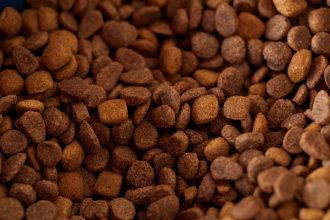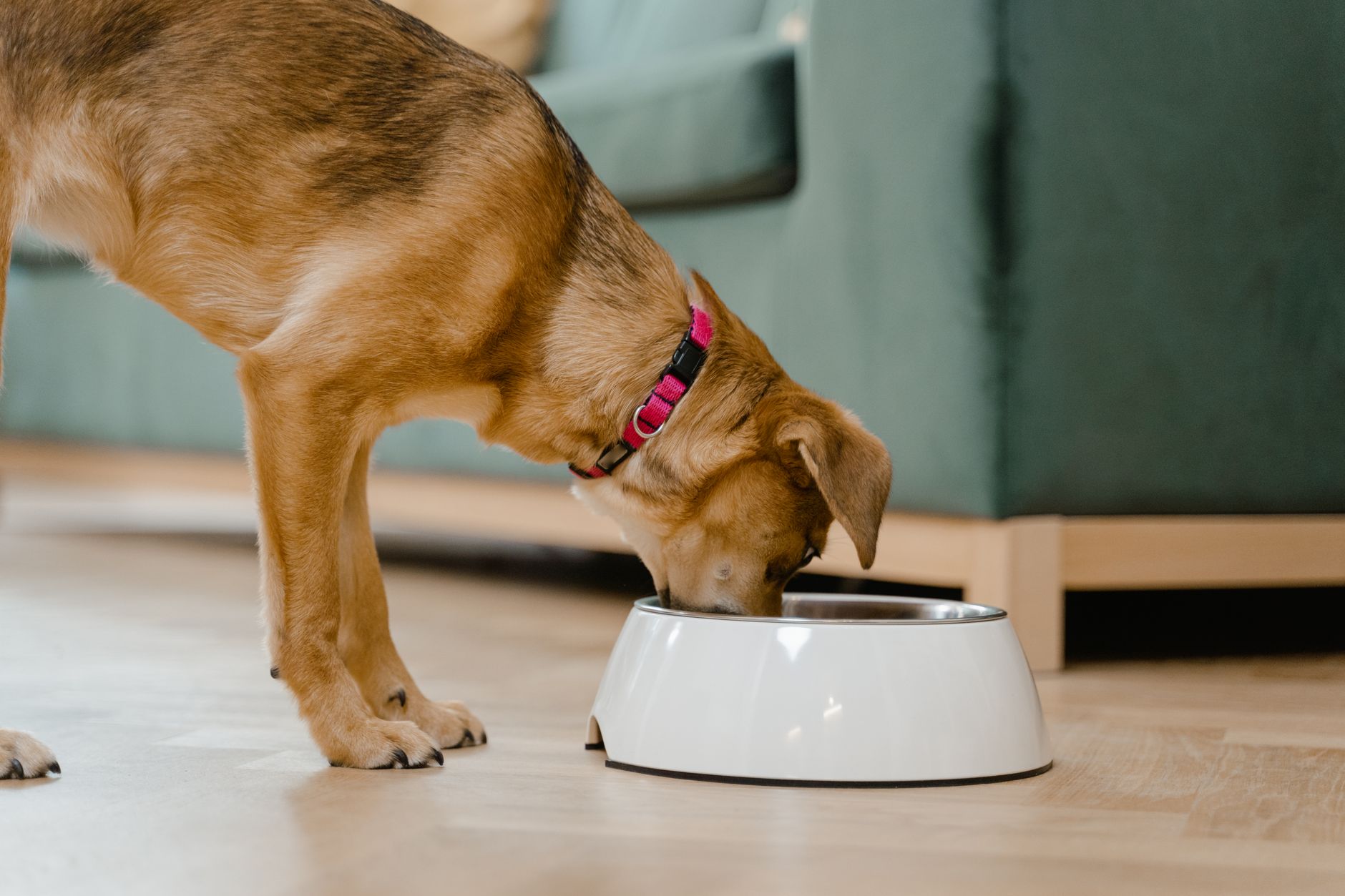
When deciding what a dog should eat, the safest starting point is not a list of human foods. It is the dog’s main diet. For most healthy dogs, that means food formulated to provide all essential nutrients in the correct proportions for the dog’s life stage.
In the United States, pet foods carrying a nutritional adequacy statement that says they are “complete and balanced” are intended to supply the nutrients required for the life stage stated on the label. That distinction matters because treats, snacks, table scraps, and individual ingredients are generally not designed to serve as a complete diet.
Dogs can eat a wider variety of foods than many owners realize, but “a dog can eat it” and “a dog should regularly eat it” are two different standards. Portion size, preparation, medical history, calorie intake, and toxicity all matter.
What Should a Dog’s Main Diet Be?
A dog’s everyday diet should provide appropriate amounts of protein, fat, carbohydrates where included, vitamins, minerals, and other essential nutrients. Nutritional requirements also change with life stage. A growing puppy does not have exactly the same requirements as a healthy adult dog, and an individual dog with a medical condition may need a diet selected with veterinary guidance.
The practical advantage of a nutritionally complete food is consistency. Owners do not have to construct the correct nutrient profile from individual ingredients at every meal.
When evaluating packaged dog food, look beyond words such as premium, natural, or similar marketing terms. The nutritional adequacy statement is more useful because it indicates whether the food is intended to function as a complete diet and for which life stage. The FDA notes that foods labeled complete and balanced must meet an established nutrient profile or satisfy an appropriate feeding-trial standard.
Can Dogs Eat Human Food?
Some human foods can be given to many healthy dogs in small quantities. Others are toxic, excessively fatty or salty, difficult to digest, or physically hazardous.
The safest approach is to treat human food as an occasional extra rather than the nutritional foundation of the diet.
| Food Type | General Approach | Why It Matters |
|---|---|---|
| Complete dog food | Suitable as the main diet when appropriate for the dog’s life stage | Designed to provide essential nutrients in appropriate proportions |
| Plain dog-safe human foods | Small amounts as treats | Can add calories and displace balanced nutrition if overfed |
| Seasoned or fatty table food | Best limited or avoided | May contain excessive fat, salt, or unsafe ingredients |
| Known toxic foods | Avoid | Some can cause serious poisoning even though they are safe for people |
| Bones and hard chews | Potentially hazardous | Can contribute to dental injury, choking, or gastrointestinal damage |
| Raw animal products | Carry additional food-safety risks | May contain disease-causing bacteria that affect dogs and people |
Dog-Safe Foods That Can Work as Occasional Treats
For a healthy dog without dietary restrictions, certain plain foods can be used in small portions. Veterinary guidance includes options such as carrots, green beans, zucchini, blueberries, apple pieces, banana, and some other fruits or vegetables when appropriately prepared.
- Carrots: Can be offered in appropriately sized pieces, raw or cooked without seasoning.
- Green beans: Plain green beans can provide a relatively low-calorie treat.
- Zucchini: Plain raw or cooked zucchini can be suitable in modest portions.
- Blueberries: Small quantities can be used as treats.
- Apple: Plain pieces may be offered after removing the core and seeds.
- Banana: Suitable for many dogs in small amounts, although portion size matters because treats still contribute calories.
- Seedless watermelon: The edible flesh can be offered after removing rind and seeds.
Preparation matters. Foods given as treats should generally be plain rather than covered with salt, butter, sauces, sugar, spices, or seasoning blends. Seeds, pits, hard cores, and large pieces can also create hazards even when the edible portion of the fruit itself is acceptable.
What About Meat, Eggs, and Other Animal Foods?
Dogs can eat appropriately prepared animal-based foods, but feeding individual ingredients is different from providing a balanced diet.
Small portions of fully cooked, unseasoned meat can be used as treats for many healthy dogs. Cooked eggs may also be suitable as occasional food. These foods still contribute calories and should not automatically replace a formulated diet.
Fatty scraps deserve more caution. Food that seems like a harmless leftover may contain far more fat, salt, seasoning, or calories than a dog needs. Sauces and marinades can also contain ingredients such as onion or garlic that should not be fed to dogs.
The 10 Percent Rule Makes Treats Easier to Manage
Treats are useful for training and enrichment, but they can quietly become a substantial part of a dog’s calorie intake.
The World Small Animal Veterinary Association recommends that treats contribute no more than approximately 10 percent of a dog’s daily calories, leaving the large majority of calories to come from a nutritionally complete diet.
This is more useful than simply counting the number of treats. Ten pieces of one food may contain far more energy than ten pieces of another.
Owners who train frequently can also reserve part of the dog’s normal daily food and use that as training rewards rather than continuously adding extra calories.
Foods Dogs Should Not Eat
Several common household foods can cause poisoning in dogs. They should not be treated as foods that are acceptable merely in smaller portions.
Chocolate and Caffeine
Chocolate contains methylxanthines, compounds that can cause gastrointestinal, cardiovascular, and neurological effects in dogs. Risk varies with the type and amount of chocolate, with darker and more concentrated products generally containing more of the problematic compounds. Coffee, caffeine, and energy drinks are also unsafe.
Grapes and Raisins
Grapes and raisins are associated with kidney injury in dogs and should be avoided. Because predicting an individual dog’s response is difficult, they are not appropriate treats.
Onions, Garlic, Chives, and Related Plants
Members of the Allium family, including onion, garlic, and chives, can damage red blood cells and may lead to anemia. These ingredients can also be hidden in prepared foods, sauces, seasonings, and leftovers.
Xylitol
Xylitol is a sweetener found in some sugar-free products, including certain gums, candies, baked products, oral-care products, and other processed foods. In dogs, exposure can cause dangerously low blood sugar and may also result in liver damage.
Checking ingredient labels is particularly important because a product that looks harmless may contain xylitol.
Alcohol and Raw Yeast Dough
Alcohol is toxic to dogs. Raw yeast dough creates an additional problem because it can expand in the gastrointestinal tract and produce alcohol during fermentation.
Macadamia Nuts
Macadamia nuts can cause signs including weakness, poor coordination, vomiting, tremors, and elevated body temperature in dogs. They should not be offered as treats.
Bones Are Not Automatically a Natural or Safe Choice
The idea that dogs naturally chew bones can make bones appear safer than they are. Veterinary nutrition guidance warns that both cooked and raw bones can cause significant harm when chewed or swallowed.
Potential problems include:
- broken teeth;
- choking;
- injury to the mouth or digestive tract;
- intestinal obstruction;
- other complications requiring veterinary treatment.
The same principle applies to extremely hard chews. A product being sold for dogs does not automatically mean it is appropriate for every dog’s teeth, size, chewing style, or medical history.
Raw Diets Have a Food-Safety Tradeoff
Raw feeding is often discussed as if the main question were whether dogs are physically capable of eating raw meat. The more important issue is microbiological risk.
FDA testing has found raw pet food more likely than the other tested pet-food categories to contain disease-causing bacteria. In one FDA study of 196 commercially available raw dog and cat food samples, 15 tested positive for Salmonella and 32 for Listeria monocytogenes.
The risk is not limited to the dog. Contaminated raw food can expose people through hands, bowls, preparation surfaces, utensils, the household environment, or contact with an animal carrying the organisms.
This does not mean every raw meal will contain a dangerous pathogen. It means raw feeding introduces a documented food-safety risk that should be considered rather than assuming “raw” is inherently healthier because it is less processed.
Homemade Dog Food Is More Complicated Than Meat and Rice
A homemade meal can contain wholesome ingredients and still be nutritionally incomplete.
One common example is chicken and rice. Although versions of this combination have historically been used temporarily in certain circumstances, veterinary guidance notes that chicken breast and white rice alone do not provide a complete and balanced nutritional profile for long-term feeding.
The challenge with long-term homemade feeding is not simply choosing “healthy” ingredients. The recipe must provide essential nutrients in appropriate amounts and ratios.
If an owner wants to feed a home-prepared diet as the dog’s primary food rather than as an occasional meal, veterinary nutritional guidance is more reliable than assembling recipes from unrelated online recommendations.
Puppies, Adult Dogs, and Dogs With Medical Conditions Need Different Decisions
A food being safe for a healthy adult dog does not automatically mean it should form part of every dog’s diet.
Puppies have nutritional requirements related to growth. Dogs that are pregnant or nursing have different requirements from those maintained as healthy adults. The FDA therefore distinguishes nutritional adequacy for growth and reproduction from adult maintenance when discussing complete and balanced foods.
Dogs with medical conditions or dietary sensitivities may also have restrictions that make otherwise ordinary treats inappropriate. WSAVA specifically advises owners of dogs receiving veterinary-prescribed diets or living with medical conditions to check whether additional treats are compatible with the dog’s nutritional plan.
How to Answer “Can My Dog Eat This?”
Instead of relying on whether an ingredient is generally described as dog-friendly, run through a few questions first.
- Is this food known to be toxic to dogs? If yes, do not feed it.
- Does it contain hidden ingredients? Sauces, baked products, sweets, and processed foods may contain unsafe ingredients that are not obvious from the product name.
- Is it plain? Heavy seasoning, salt, butter, oils, or sauces can change the risk profile.
- Is there a physical hazard? Pits, bones, corn cobs, hard objects, and large pieces may cause choking or gastrointestinal obstruction.
- Is the portion reasonable? Even safe foods can add substantial calories.
- Does your dog have a medical or dietary restriction? A veterinarian may recommend avoiding foods that are acceptable for healthy dogs.
- Is this a treat or an attempt to replace the main diet? An individual food does not become nutritionally complete simply because it is safe to eat.
If Your Dog Eats Something Questionable
Do not rely solely on whether the dog currently looks normal. Some toxic exposures can cause delayed signs.
If your dog has eaten a known or potentially dangerous substance, record the product, ingredients if available, approximate amount consumed, dog’s approximate weight, and time of exposure. Contact a veterinarian or appropriate animal poison service for situation-specific guidance.
Do not induce vomiting or give home remedies unless a veterinary professional specifically instructs you to do so. The correct response depends on the substance, dose, timing, and condition of the dog.
A Simple Feeding Principle Works Better Than a Huge Food List
Dogs do not need a constantly changing menu of human foods to eat well. A nutritionally complete diet appropriate for the individual dog should provide the foundation. Safe treats can be added in controlled quantities, while known toxins, hazardous bones, and inappropriate table scraps are best kept out of reach.
For owners repeatedly asking “What can my dog eat?”, the most useful distinction is this: safe to taste occasionally is not the same as appropriate to feed routinely.
When a food is unfamiliar, highly processed, heavily seasoned, potentially toxic, or being considered as a major part of the dog’s diet, checking before feeding it is considerably safer than discovering the problem afterward.