Dog breed quizzes have become a popular way for people to explore which type of dog might match their personality, lifestyle, and preferences. While these quizzes are designed for entertainment and self-discovery, they can also encourage a deeper understanding of the traits that influence a successful human-dog relationship.
A meaningful breed match is not determined only by appearance or a favorite breed seen online. The best companion depends on factors such as activity level, living environment, experience with dogs, available time, and expectations about ownership.
What a dog breed quiz can and cannot tell you
A dog breed quiz typically compares personal habits and preferences with common characteristics found in different breeds. Questions may focus on daily routines, exercise preferences, social style, grooming tolerance, and home environment.
However, a quiz cannot predict the exact personality of an individual dog. Genetics, early socialization, training, health, and life experiences all influence behavior. Two dogs from the same breed can have very different temperaments.
The traits that matter most when matching with a dog breed
Understanding your own lifestyle is often more important than choosing a breed based on popularity. Several key factors influence whether a dog and owner are likely to be compatible.
Energy level and daily activity
Some dogs are naturally suited to active owners who enjoy running, hiking, training, or outdoor activities. Others are more comfortable with moderate exercise and relaxed routines.
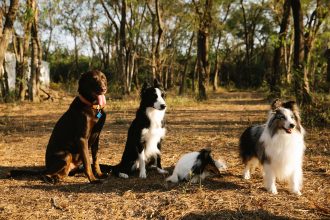
- High-energy breeds: Border Collies, Australian Shepherds, and Siberian Huskies often need significant physical and mental stimulation.
- Moderate-energy breeds: Many retrievers and spaniels balance activity with family companionship.
- Lower-energy breeds: Some companion breeds may adapt better to quieter households.
Living environment
Housing conditions can influence which breeds are practical. A large yard is not a replacement for interaction and exercise, while apartment living does not automatically exclude larger dogs if their needs can be met.
Important considerations include noise sensitivity, exercise requirements, size, and the owner’s ability to provide enrichment.
Training expectations
Different breeds have different learning styles. Some dogs are highly motivated by training and enjoy structured tasks, while others may require more patience because of independence or strong instincts.
A quiz may identify whether you prefer a highly trainable working partner, an affectionate companion, or a more independent dog, but consistent training remains essential for every breed.
Common personality matches with dog breed groups
| Owner personality or lifestyle | Breed characteristics that may fit |
|---|---|
| Active and adventurous | Breeds with endurance, athletic ability, and enthusiasm for outdoor activities. |
| Family-focused and social | Friendly breeds known for adaptability and human interaction. |
| Interested in training | Intelligent breeds that enjoy learning commands and tasks. |
| Prefers a calm home routine | Breeds with lower exercise demands and relaxed temperaments. |
| First-time dog owner | Breeds known for trainability and manageable care requirements. |
Popular breed personalities people often identify with
The loyal working companion
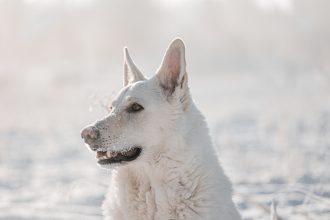
People who enjoy structure, responsibility, and purposeful activities may relate to working breeds such as German Shepherds, Boxers, or similar task-oriented dogs. These breeds often thrive when given clear guidance and mental stimulation.
The energetic explorer
Outdoor enthusiasts may connect with athletic breeds such as Huskies, Retrievers, or other active dogs. These breeds can be rewarding companions for owners who enjoy regular activity but may struggle in homes without enough engagement.
The affectionate home companion
Some people prefer dogs that focus strongly on companionship and family interaction. Many smaller companion breeds and some gentle larger breeds are valued for their close relationships with people.
Why appearance-based choices can be misleading
Social media has increased interest in certain breeds because of their appearance, but physical traits do not always reflect lifestyle compatibility. A beautiful coat may require extensive grooming, and an appealing appearance may come with specific exercise or health considerations.
Responsible ownership begins with understanding what a dog needs rather than choosing only what looks attractive.
Questions to consider before choosing a breed
- How much time can I dedicate to exercise and interaction every day?
- Do I prefer an energetic dog or a calmer companion?
- How much grooming and maintenance am I comfortable managing?
- Have I owned and trained a dog before?
- Can my home environment support the breed’s needs?
- Am I prepared for long-term financial and emotional responsibility?
A breed quiz is a starting point, not a final decision
Personality quizzes can be a fun introduction to the world of dog breeds, but they should be combined with practical research. The strongest match comes from balancing personality, lifestyle, experience, and the individual dog’s characteristics.
The right dog is not simply the breed that matches a quiz result. It is the dog whose needs align with the care, attention, and environment an owner can provide throughout its life.
“`