Alaskan Malamutes and Siberian Huskies are often mistaken for one another because both have thick double coats, pointed ears, curled tails, and a history connected to cold climates. However, these two Arctic breeds were developed for different purposes and have noticeable differences in size, temperament, energy levels, and working abilities.
A Malamute is not a Husky, although both belong to the group of northern sled dogs. Understanding their differences is important for potential owners because their exercise needs, behavior, and living requirements can vary significantly.
Where Malamutes and Huskies come from
The Alaskan Malamute and Siberian Husky both evolved alongside human communities in harsh Arctic environments, but they originated from different regions and served different roles.
The Alaskan Malamute was developed by the Mahlemut people of Alaska. These dogs were bred for strength and endurance, helping transport heavy loads over long distances. Their role was closer to a powerful working companion capable of pulling substantial weight.
The Siberian Husky originated in northeastern Siberia and was developed by the Chukchi people. Huskies were bred to pull lighter sled loads efficiently over long distances, emphasizing speed, stamina, and teamwork.
Key differences between a Malamute and a Husky
| Characteristic | Alaskan Malamute | Siberian Husky |
|---|---|---|
| Size | Generally larger and heavier with a stronger build. | Smaller, lighter, and more athletic in appearance. |
| Original purpose | Bred for hauling heavy freight and powerful pulling work. | Bred for speed and endurance while pulling lighter sleds. |
| Energy level | Active and requires regular exercise but often calmer indoors. | Extremely energetic and often needs more daily activity. |
| Personality | Loyal, affectionate, independent, and strong-willed. | Friendly, social, playful, and often more outgoing. |
| Training | Can learn well but may challenge owners due to independence. | Intelligent but may be difficult because of curiosity and escape tendencies. |
Appearance differences
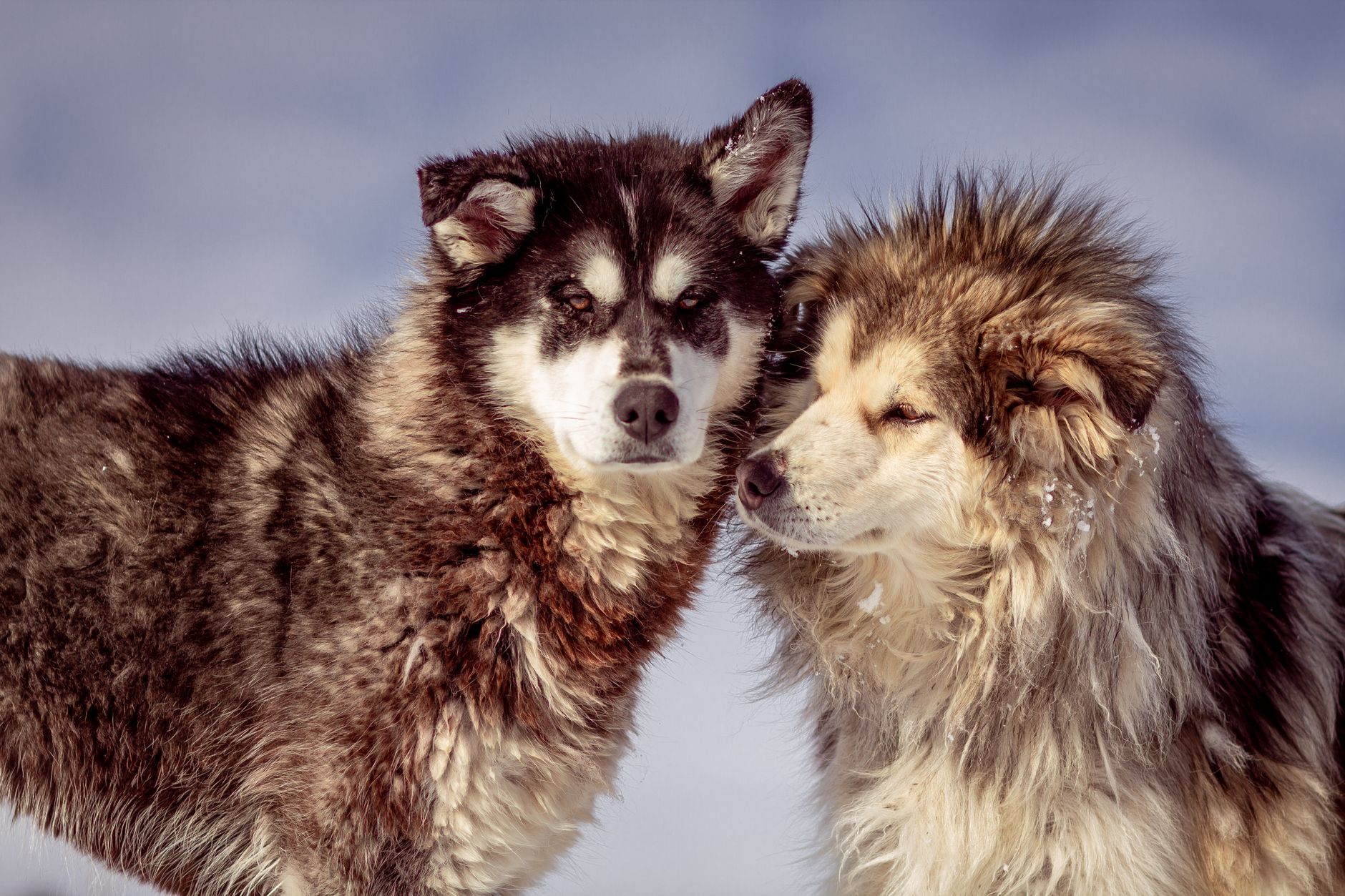
Although both breeds have a wolf-like appearance, their body structures are different. Malamutes typically have a broader chest, heavier bones, and a more muscular frame designed for strength. Their heads are usually wider, and their overall appearance is more powerful.
Huskies are usually more compact and athletic. Their bodies are designed for efficient movement, allowing them to maintain speed and endurance over long distances. They commonly have striking facial markings and may have blue, brown, or even differently colored eyes.
Temperament and family life
Both breeds can form strong bonds with their families, but they have different personalities. Malamutes are often deeply loyal and affectionate but may display a dominant or independent nature. They generally do best with owners who provide consistent training and clear boundaries.
Huskies are typically more socially driven and playful. They often enjoy interaction with people and other dogs, but their intelligence and curiosity can make them challenging for inexperienced owners. Many Huskies are known for attempting to escape yards or finding creative ways to explore their surroundings.
Exercise and training requirements
Neither breed is suitable for a low-activity household. Both were created to work and travel long distances, meaning they require physical activity and mental stimulation.
- Malamutes: Benefit from strength-based activities, hiking, structured walks, and tasks that allow them to use their physical abilities.
- Huskies: Often thrive with running, active play, endurance activities, and activities that challenge their problem-solving skills.
Training should begin early and focus on consistency, positive reinforcement, and socialization. Harsh training methods can damage trust and may not address the independent nature common in northern breeds.
Are Malamutes and Huskies good pets?
Both breeds can be excellent companions for the right owner. However, they are not ideal choices for everyone. Their thick coats require regular grooming, especially during seasonal shedding periods, and their high exercise requirements can be demanding.
Owners should also consider climate. These breeds are adapted for colder environments and may require additional care during hot weather, including access to shade, water, and temperature-controlled spaces.
Choosing between a Malamute and a Husky
The better choice depends on lifestyle rather than appearance. Someone looking for a powerful, loyal working companion may prefer the Malamute. Someone seeking a highly energetic and social adventure partner may find the Husky a better match.
While they share Arctic origins, Malamutes and Huskies represent two different approaches to canine work: one built around strength and hauling power, the other around speed and endurance. Recognizing those differences helps owners choose a breed that matches their expectations and provides a better quality of life for the dog.
“`