Dogs are naturally curious about human food, especially when a sweet and juicy fruit appears in their owner’s hand. Peaches and nectarines may look like harmless summer snacks, and in many cases, a small piece of the fruit itself is not a problem for dogs. However, these fruits require more caution than many owners realize.
The short answer is yes, dogs can eat the flesh of peaches and nectarines in small amounts if they are prepared properly. The danger does not come from the soft fruit itself but from the pit, excessive sugar intake, and the possibility of improper preparation.
Like many human foods, peaches and nectarines can be an occasional treat, but they should never replace a complete and balanced diet designed for dogs.
The fruit is usually safe, but the pit changes everything
Peaches and nectarines are closely related fruits with similar nutritional profiles. Their flesh contains water, fiber, and naturally occurring nutrients that are generally tolerated by many healthy dogs.
However, both fruits contain a large central pit that creates the biggest safety concern. Allowing a dog to chew on a whole peach or nectarine is unsafe because the pit can cause serious problems.
A dog may appear to enjoy chewing fruit, but hard pits are not easily broken down by the digestive system and should always be removed before offering any portion.
Why peach and nectarine pits are dangerous for dogs
The pit is the main reason veterinarians recommend caution with stone fruits. It creates several potential risks:
- Choking hazard: A pit can become stuck in a dog’s throat, especially in smaller breeds.
- Intestinal blockage: If swallowed, the pit may become lodged in the digestive tract and require medical treatment.
- Potential toxicity concerns: Stone fruit pits contain naturally occurring compounds that can become harmful when the pit is damaged or consumed.
The risk is not limited to the entire pit. Small broken pieces left behind after cutting the fruit can also create problems.
Are peaches and nectarines nutritious for dogs?
Peaches and nectarines provide some nutritional benefits, including fiber and water content. These qualities can make them refreshing treats, especially during warmer weather.
However, the nutritional value is relatively limited from a dog’s perspective. Dogs have specific dietary requirements centered around appropriate levels of animal protein, fats, vitamins, and minerals. Fruit can add variety, but it is not necessary for maintaining a healthy diet.
The biggest benefit of these fruits is usually enrichment and variety rather than a major health improvement.
Can peaches and nectarines upset a dog’s stomach?
Even when the pit is removed, eating too much fruit can create digestive problems. Dogs are not designed to consume large amounts of sugary foods.
Possible reactions include:
- Diarrhea
- Gas
- Vomiting
- Stomach discomfort
- Temporary appetite changes
Dogs with sensitive digestion, obesity concerns, or diabetes may need extra caution because the natural sugar content can be unsuitable for their health needs.
Peaches versus nectarines: is one safer?
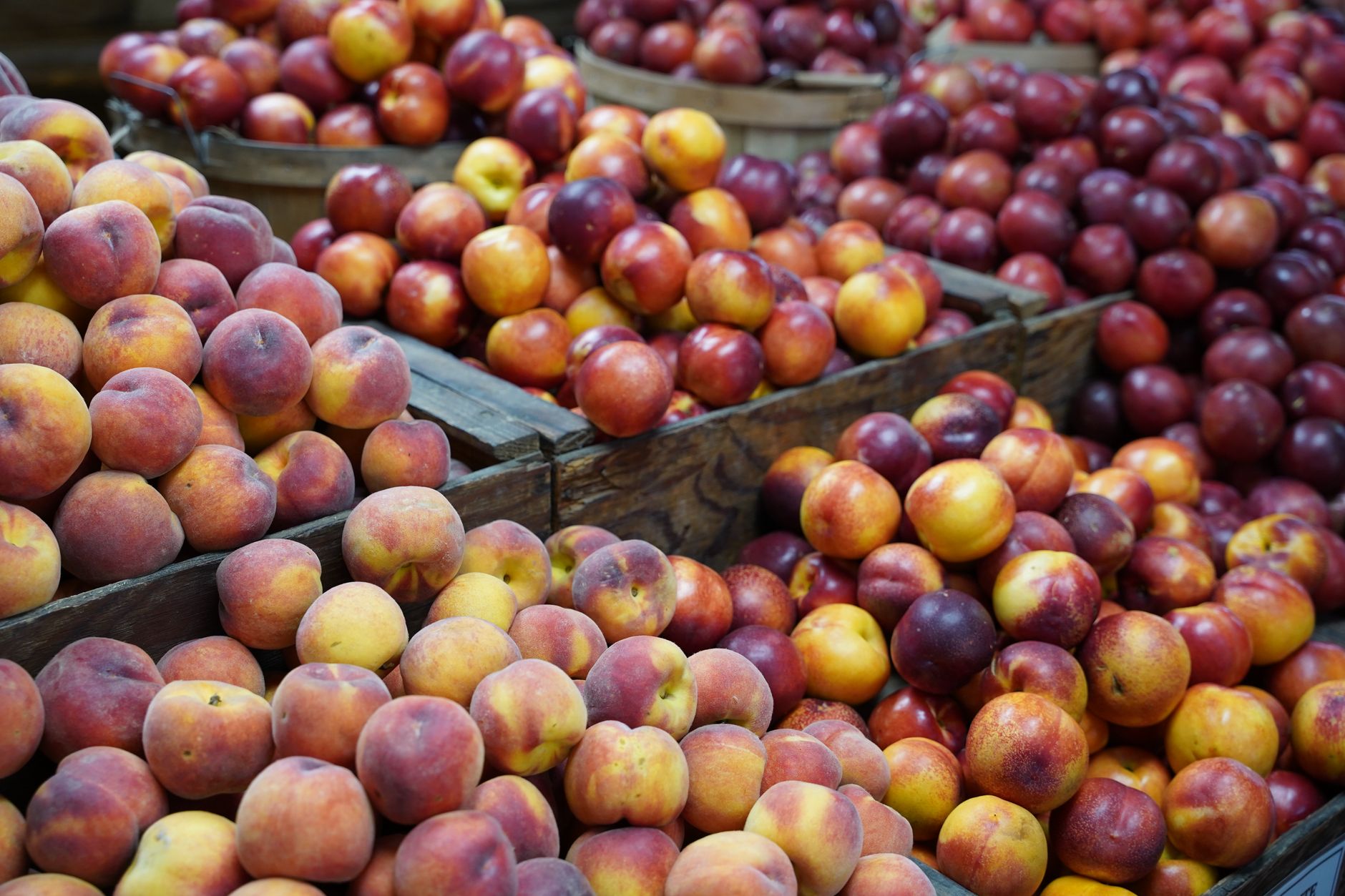
From a dog’s safety perspective, peaches and nectarines are very similar. The main difference between them is the skin texture: peaches have fuzzy skin, while nectarines have smooth skin.
Neither fruit has a significant safety advantage. In both cases, the important rules remain the same:
- Remove the pit completely.
- Serve only the fresh flesh.
- Avoid sweetened or processed versions.
- Offer only small portions.
How to safely give peaches or nectarines to dogs
If you decide to share these fruits with your dog, preparation is the most important step.
- Wash the fruit thoroughly before serving.
- Cut the fruit and remove the pit completely.
- Check that no pit fragments remain.
- Cut the flesh into small, manageable pieces.
- Offer only a small amount as an occasional treat.
Avoid giving dogs canned peaches, nectarines in syrup, desserts containing these fruits, or products with added sweeteners. These foods often contain unnecessary sugar and ingredients that may not be safe for pets.
What should you do if your dog eats a peach or nectarine pit?
Accidental ingestion can happen quickly, especially when fruit is left on a table or counter. If a dog swallows a pit, the situation should be taken seriously.
Watch for signs such as:
- Repeated vomiting
- Loss of appetite
- Abdominal pain
- Lethargy
- Difficulty passing stool
- Changes in normal behavior
Veterinary advice is recommended if a pit has been swallowed, particularly for puppies, small dogs, or dogs showing symptoms. The risk depends on factors such as the dog’s size, the amount consumed, and whether the pit has caused an obstruction.
Who should avoid giving peaches and nectarines?
While many healthy dogs can enjoy a small amount, these fruits may not be suitable for every pet.
- Dogs with diabetes or blood sugar concerns
- Dogs with chronic digestive problems
- Dogs that swallow food quickly without chewing
- Dogs with weight management challenges
- Dogs with known fruit sensitivities
A dog’s individual health condition matters more than the general safety of the food itself.
Better fruit options for regular dog treats
If owners want to add fruit-based treats, some options may be easier to manage because they do not contain large pits. Small portions of blueberries, strawberries, or seedless watermelon are often chosen as simpler alternatives.
Even with safer fruits, portion control remains important. Treats should complement a dog’s diet, not become a major source of daily calories.
The final verdict: peaches and nectarines are occasional treats, not everyday foods
Dogs can eat peaches and nectarines when only the flesh is offered and the pit is completely removed. The fruit itself is not usually the problem; the preparation and quantity determine the level of risk.
A small piece of fresh peach or nectarine can be a pleasant reward for many healthy dogs, but it should remain an occasional treat. Responsible sharing means choosing foods that are enjoyable while still protecting a dog’s long-term health.
“`