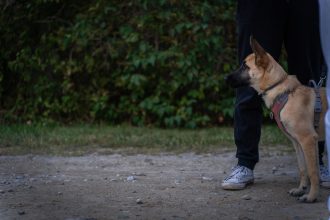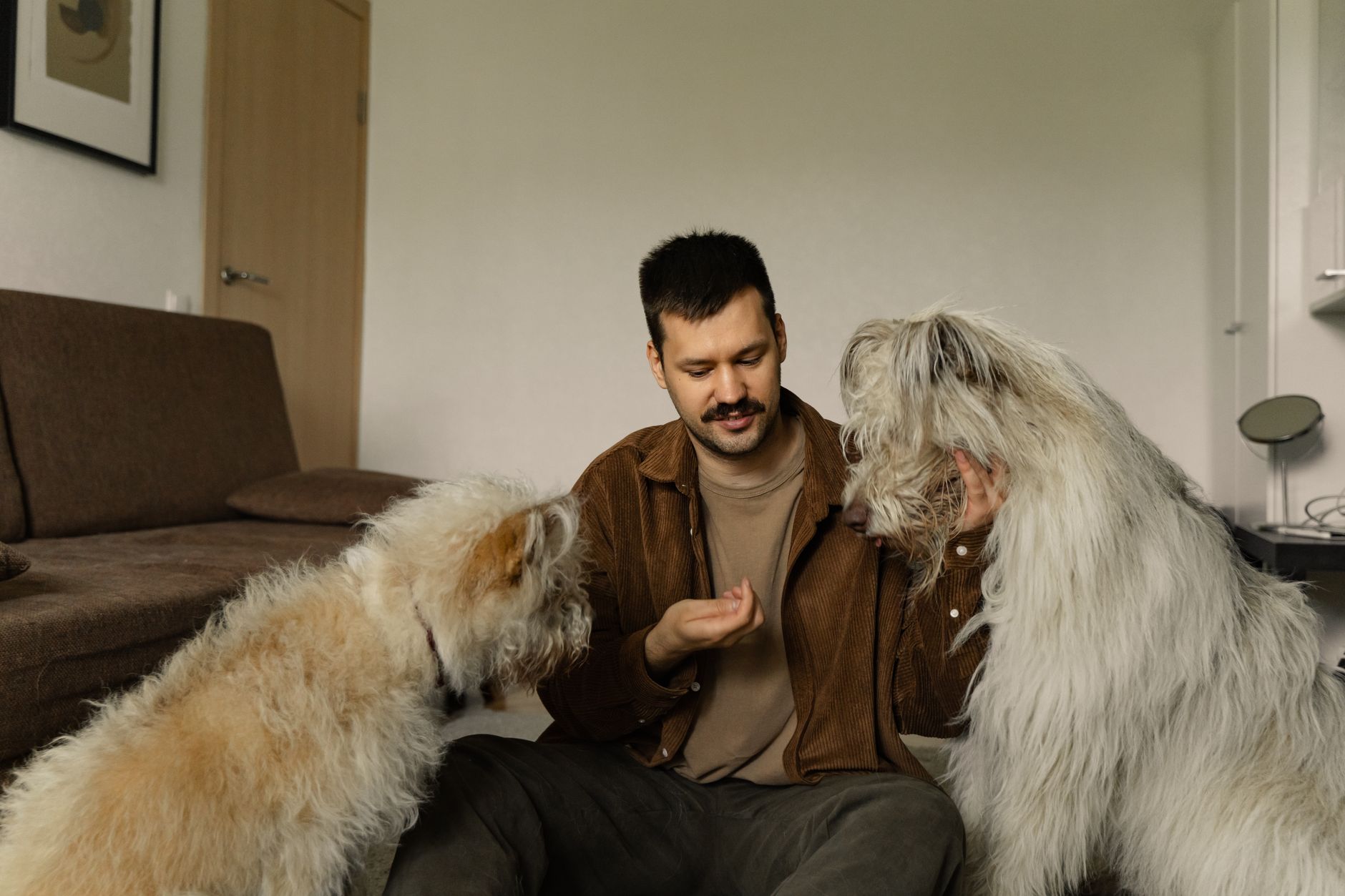
Many dog owners have experienced a moment when their pet seems upset after something unpleasant happens. A dog may avoid eye contact after a bath, refuse to come when called after being scolded, or act differently after a stressful event. This often leads to the question: can dogs actually hold grudges?
The short answer is that dogs do not hold grudges in the same way humans do. They do not typically plan revenge, remember an offense with a desire to get even, or maintain resentment based on moral judgment.
However, dogs can remember negative experiences and may change their behavior because of fear, stress, or learned associations. What looks like a grudge is usually an emotional response connected to memory and trust.
Dogs remember experiences, not grudges
Dogs have strong memories, especially for experiences connected to emotions. They can remember people, places, routines, and situations that made them feel safe or threatened.
If a dog has a frightening experience, such as a painful veterinary procedure or a stressful encounter with another animal, it may react cautiously the next time it faces a similar situation.
This behavior is not the same as a human holding a grudge. The dog is not thinking about the past event and deciding to remain angry. Instead, it is responding based on learned information about whether something feels safe or dangerous.
Why dogs sometimes seem like they are upset with you
Dogs are highly sensitive to changes in their environment and their owner’s behavior. Several situations can make a dog appear distant or unhappy.
After being punished
If a dog is yelled at or punished, it may avoid the person afterward. This is usually not because the dog is angry but because it is trying to avoid another negative interaction.
The dog may associate the person’s tone, body language, or the location where the event happened with stress.
After a stressful event
Activities such as grooming, nail trimming, moving homes, or visiting a veterinarian can create temporary stress. A dog may appear withdrawn afterward while it recovers emotionally.
After changes in routine
Dogs depend heavily on predictable routines. Changes such as a new schedule, a new pet, or reduced attention can affect their behavior.
What looks like resentment may actually be confusion, anxiety, or adjustment to a new situation.
Do dogs remember when humans hurt their feelings?
Dogs can remember unpleasant experiences, but their memory works differently from human emotional memory.
Humans often remember events by creating stories about what happened and why. Dogs are more likely to form associations between experiences, emotions, and outcomes.
For example, a dog that was frightened by a loud noise near a certain location may become nervous when returning to that place. The dog is not thinking, “This place hurt me before,” but it recognizes patterns connected to fear.
Can dogs forgive their owners?
While dogs do not think about forgiveness in the human sense, they can rebuild trust after negative experiences.
Dogs are highly adaptable and responsive to consistent positive interactions. A patient owner who provides safety, rewards, and calm communication can often restore a dog’s confidence.
The process depends on what happened and the dog’s individual personality. A minor stressful event may be forgotten quickly, while repeated fear or mistreatment can have longer-lasting effects.
How dogs show that they trust someone
A dog’s trust is usually shown through behavior rather than thoughts or words.
- Relaxing near a person
- Seeking attention or affection
- Following a person around
- Making comfortable eye contact
- Showing a relaxed body posture
- Responding positively to interaction
When a dog returns to these behaviors after a stressful moment, it is a sign that the relationship remains strong.
Do dogs remember people who mistreated them?
Dogs can remember negative experiences, especially when those experiences are repeated or intense. A dog that has experienced abuse or severe neglect may develop fear responses around certain people, environments, or situations.
These reactions are not revenge. They are protective behaviors developed from previous experiences.
Rehabilitation for fearful dogs often focuses on rebuilding confidence through patience, consistency, positive reinforcement, and creating safe experiences.
Why dogs seem more forgiving than humans
Dogs are social animals that evolved to cooperate with others. Their survival historically depended on forming relationships and responding to social signals.
This helps explain why dogs often reconnect with people after stressful moments. Their focus is usually on the current situation rather than maintaining a long-term emotional conflict.
However, this does not mean dogs should be treated poorly. A dog may rebuild trust, but repeated negative experiences can damage the relationship and affect emotional well-being.
How to rebuild trust with a dog
If a dog seems distant after a stressful event, rebuilding trust requires time and positive interactions.
- Remain calm and avoid forcing interaction.
- Use positive reinforcement such as treats, praise, and gentle attention.
- Create predictable routines that help the dog feel secure.
- Avoid harsh punishment that increases fear.
- Allow the dog to approach at its own comfort level.
Trust is built through repeated experiences that show the dog it is safe.
Do certain breeds hold grudges more than others?
There is no scientific evidence that one dog breed is naturally more likely to hold grudges than another. Differences in behavior are usually influenced by personality, training, genetics, socialization, and individual experiences.
Some dogs may appear more sensitive because they are naturally cautious or emotionally reactive, while others recover quickly from stressful situations.
The final answer: dogs do not hold grudges, but they do remember feelings
Dogs do not hold grudges in the human sense. They do not stay angry because they feel someone deserves punishment. Instead, they remember experiences and form associations that influence future behavior.
A dog that avoids you after a stressful event is usually communicating fear, uncertainty, or a need for space rather than resentment.
The strongest relationships with dogs are built through trust, consistency, and positive experiences. While dogs may not hold grudges, they absolutely remember how people make them feel.
“`