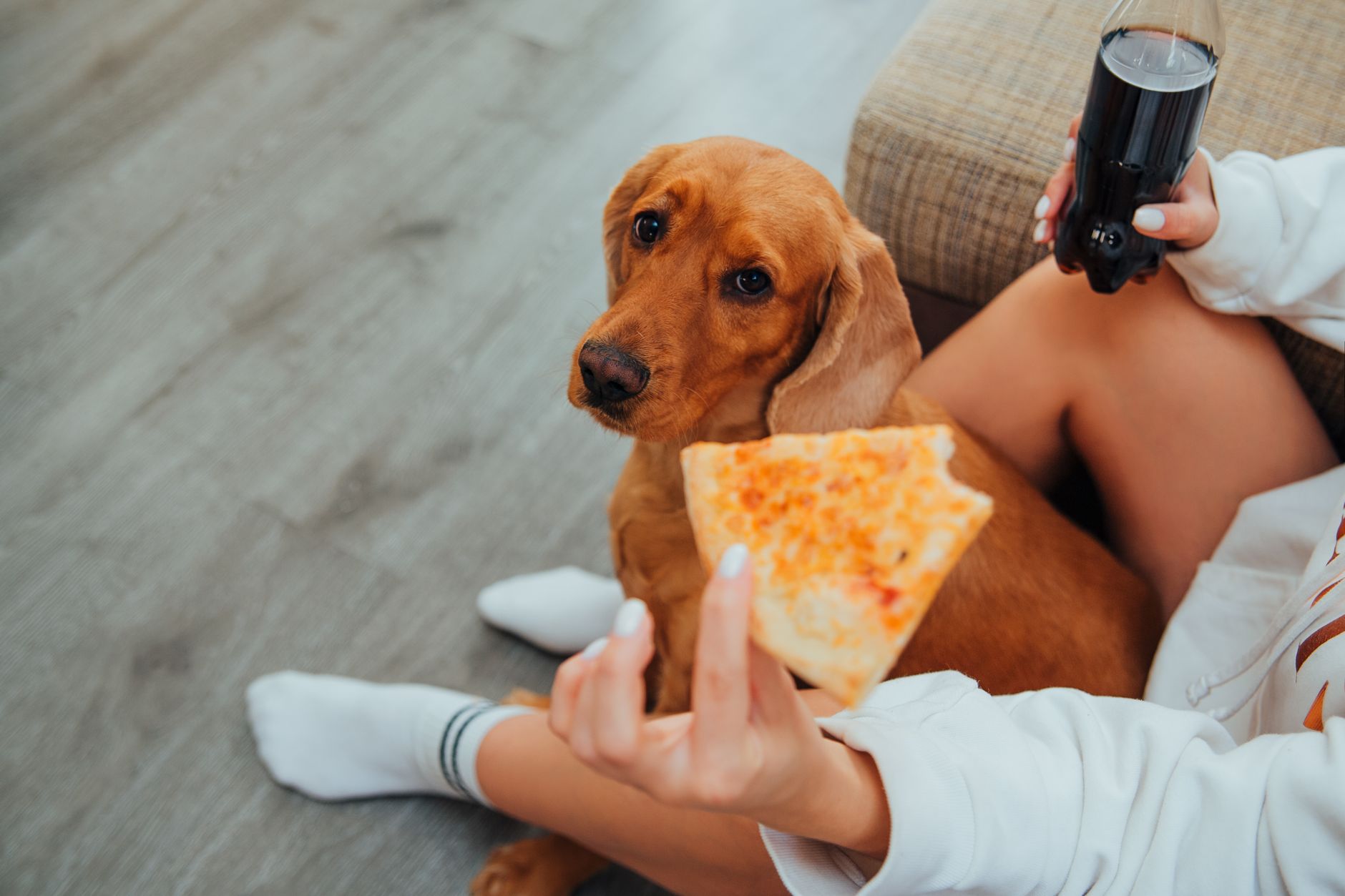
A dog refusing food can be frustrating and worrying, especially when a pet that normally rushes toward the food bowl suddenly loses interest. While some dogs skip meals because of preference, stress, or minor changes in routine, a reduced appetite can also indicate pain, illness, dental problems, or another underlying issue.
The right approach is not simply finding a way to make a dog eat at any cost. The first priority is understanding why the dog is refusing food. Appetite loss is a symptom, not a diagnosis, and solving the underlying problem is more important than temporarily encouraging eating. :contentReference[oaicite:0]{index=0}
First determine why your dog is refusing food
Before changing meals or adding tempting ingredients, observe your dog’s overall condition. A healthy dog that skips one meal may have a temporary issue, but a dog that refuses food along with other symptoms may need veterinary attention.
Common reasons dogs stop eating include:
- Food changes: A sudden switch in brand, flavor, texture, or feeding routine can cause some dogs to refuse meals.
- Stress: Moving, travel, new pets, changes in household routines, or loud environments can reduce appetite.
- Dental discomfort: Mouth pain, gum problems, or difficulty chewing can make eating uncomfortable.
- Digestive problems: Nausea, stomach upset, vomiting, or diarrhea may reduce interest in food.
- Medication effects: Some medications can change appetite or cause stomach discomfort.
- Medical conditions: Illnesses affecting organs, metabolism, or general health may appear first as reduced appetite.
Simple ways to make meals more appealing
If your dog is otherwise healthy and there are no warning signs, small adjustments can make regular food more attractive.
- Warm the food slightly: Gentle warming can increase aroma, which may encourage interest because dogs rely heavily on smell when evaluating food.
- Add warm water: Softening dry food can make it easier to chew and release more scent.
- Create a consistent routine: Feeding at predictable times helps some dogs develop regular eating habits.
- Reduce distractions: Some dogs eat better in a quiet area away from noise or competition from other pets.
- Try a different texture: Some dogs prefer wet food, softer food, or a combination of textures.
Small changes are usually better than constantly replacing meals. Frequently switching foods can teach some dogs to wait for something more exciting, turning dinner into a negotiation where the dog becomes the surprisingly effective manager of the household.
Use food toppers carefully
Adding a small amount of dog-safe food can improve interest, but toppers should not replace balanced nutrition. Excessive additions may create nutritional imbalance or encourage picky eating habits.
When using toppers:
- Keep additions small compared with the main diet.
- Avoid foods that are unsafe for dogs.
- Introduce new ingredients gradually.
- Watch for digestive changes.
The goal is to improve acceptance of a complete diet, not create a meal that only works when covered with increasingly elaborate extras.
Check whether your dog wants to eat but cannot
Some dogs appear uninterested in food when the real problem is physical difficulty. A dog may approach the bowl, sniff food, and then walk away because chewing or swallowing is uncomfortable.
Possible signs of a physical eating problem include:
- Dropping food from the mouth
- Chewing only on one side
- Pawing at the mouth
- Difficulty swallowing
- Showing interest in food but refusing to continue eating
This situation requires a different solution because making the food more appealing will not solve pain or mechanical problems affecting eating. :contentReference[oaicite:1]{index=1}
Avoid forcing a dog to eat
Force-feeding is rarely the correct answer. It can increase stress, create negative associations with meals, and may be unsafe if a dog has difficulty swallowing or has an underlying medical problem.
Instead, focus on:
- Providing fresh water.
- Offering food calmly without pressure.
- Monitoring energy levels, behavior, and other symptoms.
- Seeking professional advice if the problem continues.
When a dog refusing food needs veterinary attention
A temporary decrease in appetite is not always an emergency, but certain situations require faster action. Puppies, senior dogs, and dogs with existing medical conditions may need evaluation sooner because they can become unstable more quickly.
| Situation | Recommended action |
|---|---|
| Dog skips one meal but acts normal | Monitor closely and observe for changes |
| Food refusal continues | Contact a veterinarian for guidance |
| Refusal with vomiting, diarrhea, weakness, or pain | Seek veterinary advice promptly |
| Possible poisoning or foreign object ingestion | Treat as an urgent situation |
Persistent appetite changes can be an early sign of a health problem, so prolonged refusal should not be ignored. :contentReference[oaicite:2]{index=2}
Build healthier eating habits long term
Preventing future feeding problems often comes down to consistency. Dogs generally benefit from predictable routines, appropriate portions, and a diet that matches their age, activity level, and health needs.
- Feed a nutritionally complete dog diet.
- Avoid frequent unnecessary food changes.
- Maintain regular meal schedules.
- Monitor weight and appetite patterns.
- Schedule routine veterinary care.
Helping a dog eat is not about finding a magic ingredient. It is about identifying the reason behind the behavior, making reasonable adjustments, and knowing when a feeding problem may signal something more serious.