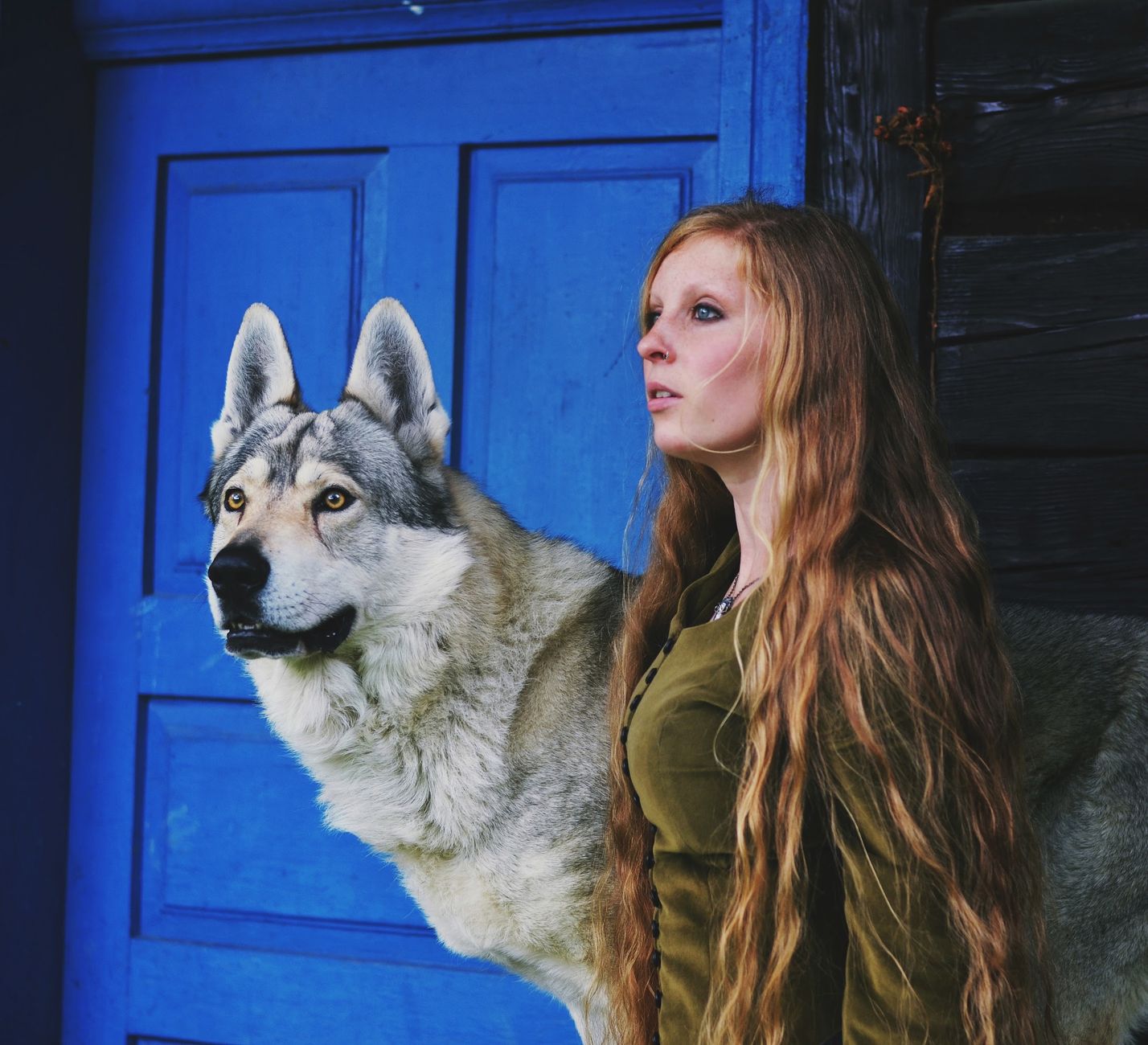
Dogs are among the earliest domesticated animals and have shared a relationship with humans for thousands of years. Unlike many domesticated species that were primarily kept for farming or food production, dogs became partners in hunting, protection, transportation, and social life.
Determining exactly when dogs were domesticated is challenging because domestication was not a single event. Instead, it was a gradual process in which certain wolf populations became increasingly adapted to living alongside humans.
The estimated timeline of dog domestication
Scientific research suggests that dogs separated from their wolf ancestors tens of thousands of years ago. Estimates vary because researchers use different evidence, including genetic analysis, archaeological discoveries, and fossil records.
Many studies place the beginning of dog domestication somewhere between approximately 20,000 and 40,000 years ago, although the exact timing remains debated. Genetic evidence indicates that the relationship likely began during the period when ancient human hunter-gatherer groups and wolves shared overlapping environments.
The earliest confirmed archaeological evidence of dogs comes from ancient remains showing animals with physical and burial characteristics different from wild wolves. These findings demonstrate that humans and dogs had developed a close relationship thousands of years ago.
How wolves became the first domesticated animals
Dog domestication likely began through natural interaction between wolves and human communities rather than through deliberate breeding at the beginning. Some wolves may have approached human campsites to access food remains, while less fearful individuals gained advantages by staying near people.
Over many generations, wolves that were more comfortable around humans may have been more successful in these environments. This gradual selection process changed behavior, appearance, and eventually genetics.
Early domesticated wolves likely provided benefits to humans by:
- Helping detect threats and unfamiliar animals.
- Assisting with hunting through tracking and alerting behaviors.
- Providing companionship and social support.
- Helping humans adapt to different environments.
Evidence scientists use to study dog origins
Researchers combine several types of evidence to understand how and when dogs emerged from wolf populations.
| Evidence type | What it reveals |
|---|---|
| Genetic studies | Show relationships between modern dogs, ancient dogs, and wolf populations. |
| Archaeological remains | Provide physical evidence of early interactions between humans and dogs. |
| Animal morphology | Helps identify changes in skull shape, size, and body structure associated with domestication. |
| Ancient burials | Reveal cultural and emotional connections between humans and dogs. |
The role of dogs in ancient human societies
Once domesticated, dogs became valuable members of human communities. Their abilities made them useful in many different roles depending on the environment and needs of the people they lived with.
Archaeological evidence shows dogs were used for hunting assistance, guarding settlements, and helping transport materials. In some cultures, dogs also held symbolic or spiritual importance and were buried alongside humans.
How modern dogs developed from ancient ancestors
Today’s dogs come from a long history of adaptation and selective breeding. After the initial domestication process, humans gradually selected dogs with specific traits, leading to the development of different breeds with specialized abilities.
Breeds developed for tasks such as herding, guarding, retrieving, and companionship reflect thousands of years of human influence. However, all modern dogs share ancestry connected to ancient wolf populations.
Why the exact date of domestication remains uncertain
The transition from wolf to dog was not immediate. It involved many generations of behavioral and genetic changes, making it difficult to identify one exact moment when domestication occurred.
Different research methods can produce different estimates because genetic changes, physical changes, and human relationships with animals did not necessarily happen at the same time.
New discoveries continue to refine scientists’ understanding of dog evolution, including ancient DNA studies that provide more information about how early dogs spread across different regions.
The lasting relationship between humans and dogs
The domestication of dogs represents one of the most significant partnerships in human history. From ancient hunting companions to modern family pets, dogs have adapted alongside humans for thousands of years.
Their history shows that domestication was not simply a process where humans changed animals, but a long-term relationship where both species influenced each other. The bond between humans and dogs remains one of the strongest examples of cooperation between different species.
“`