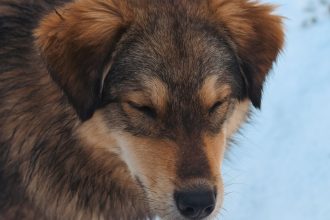
Dogs are among the most familiar animals on Earth, yet their biological classification reveals a much deeper story about evolution, adaptation, and the relationship between humans and other species. A domestic dog is not a separate biological category from wild canids; it belongs to a larger family of carnivorous mammals shaped by millions of years of evolutionary history.
Understanding what family dogs belong to helps explain their behavior, physical characteristics, hunting instincts, social patterns, and close relationship with animals such as wolves, foxes, and other members of the canine group.
Dogs Belong to the Canidae Family
Domestic dogs belong to the biological family Canidae, commonly known as the dog family. This family includes a wide range of carnivorous mammals that share common evolutionary traits, including strong senses of smell, efficient movement, social behavior, and adaptations for hunting or scavenging.
The scientific classification of the domestic dog is:
| Classification Level | Dog Classification |
|---|---|
| Kingdom | Animalia |
| Phylum | Chordata |
| Class | Mammalia |
| Order | Carnivora |
| Family | Canidae |
| Genus | Canis |
| Species | Canis lupus |
| Domestic classification | Canis lupus familiaris |
What Makes the Canidae Family Unique?
The Canidae family includes animals commonly called canids. Members of this group share several characteristics that distinguish them from other carnivores.
- Highly developed sense of smell used for communication, hunting, and environmental awareness.
- Long legs adapted for endurance rather than short bursts of speed alone.
- Strong social behaviors, including cooperation within groups.
- Specialized teeth designed for consuming meat and a varied diet.
- Communication systems involving vocalizations, body language, and scent marking.
Although dogs are classified within the order Carnivora, they are not strict meat-only predators. Domestic dogs are considered omnivorous because they can digest and use nutrients from both animal and plant sources.
The Relationship Between Dogs, Wolves, and Other Canids
The closest living relative of the domestic dog is the gray wolf. Modern genetic research supports the understanding that dogs descended from ancient wolf populations, although the exact population and timing of domestication remain subjects of scientific study.
Dogs and wolves share many biological similarities, including comparable social structures, communication methods, and genetic characteristics. However, thousands of years of domestication have produced major differences in behavior, appearance, and relationship with humans.
| Animal | Relationship to Domestic Dogs |
|---|---|
| Gray wolf | Closest living relative and evolutionary ancestor of domestic dogs. |
| Coyote | A closely related member of the Canidae family. |
| Foxes | Distant relatives within the same biological family. |
| Jackals | Related canids with shared evolutionary ancestry. |
How Dogs Differ From Other Members of Canidae
Although dogs share ancestry with wolves and other canids, domestication has transformed many aspects of their biology and behavior.
Domestic dogs have developed:
- Greater ability to interpret human gestures and communication.
- Reduced fear responses toward humans compared with wild canids.
- Wide variation in body size, coat type, and appearance due to selective breeding.
- Behavioral traits suited for companionship, work, guarding, hunting, and assistance roles.
A Chihuahua and a Great Dane may look dramatically different, but they remain members of the same species because they share the same fundamental genetic identity as domestic dogs.
The Evolutionary Journey From Wild Canid to Household Companion
The transition from ancient wolves to modern dogs is one of the most significant examples of animal domestication. Early human communities likely benefited from wolves that stayed near settlements, possibly taking advantage of food sources while providing humans with warnings, hunting assistance, and companionship.
Over generations, humans and dogs developed a cooperative relationship. Humans influenced dog evolution through selective breeding, while dogs developed traits that improved their ability to live alongside people.
Why Classification Matters for Dog Owners
Knowing that dogs belong to the Canidae family provides practical insight into their behavior. Many common canine behaviors are connected to their evolutionary background.
- Scent exploration: Dogs investigate their environment primarily through smell because their ancestors relied heavily on scent information.
- Social attachment: Dogs are naturally social animals, which helps explain their strong bonds with human families.
- Territorial behavior: Many dogs display guarding or marking behaviors inherited from ancestral survival strategies.
- Communication: Barking, body posture, facial expressions, and scent signals are part of canine social interaction.
Are Dogs Considered Members of the Cat Family?
No. Although dogs and cats are both mammals and both belong to the order Carnivora, they come from different evolutionary branches.
Cats belong to the family Felidae, while dogs belong to Canidae. Their shared classification as carnivores reflects ancient ancestry, but their evolutionary paths separated millions of years ago.
The Bigger Picture: Dogs as Part of an Ancient Evolutionary Line
The domestic dog represents one branch of a much older biological family. Every modern dog, regardless of breed or size, carries traits inherited from ancient canids that survived through adaptation, cooperation, and interaction with humans.
Understanding the family behind dogs does more than answer a classification question. It reveals why dogs behave the way they do, why they communicate so effectively with people, and why their relationship with humans has lasted for thousands of years.