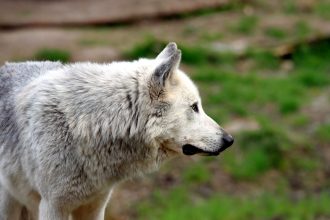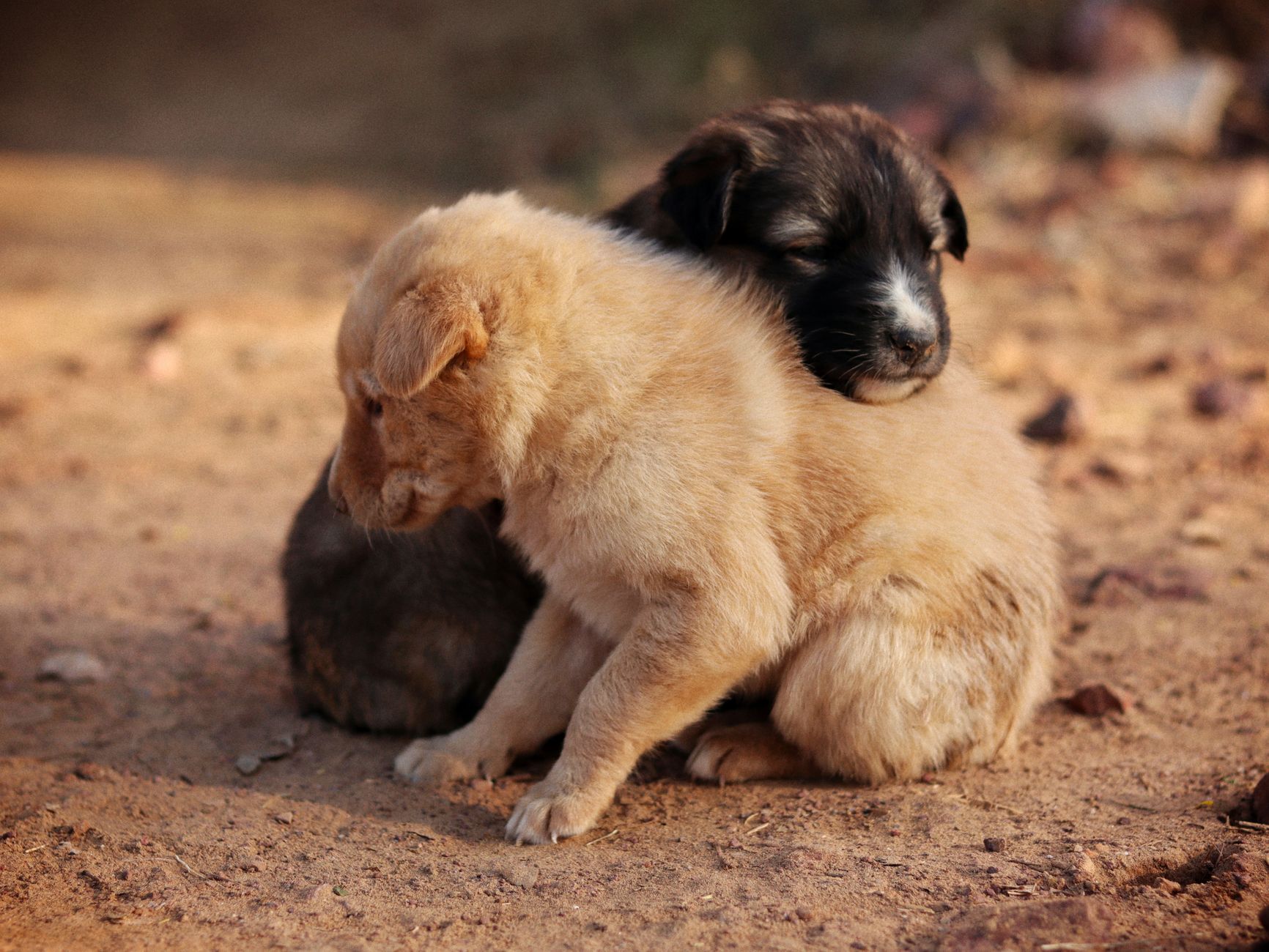
The relationship between dogs and wolves has fascinated humans for centuries. They look remarkably similar, share many behaviors, and even communicate through some of the same body signals. This naturally leads to a common question among animal lovers: can dogs and wolves mate and produce offspring?
The answer is yes. Dogs and wolves can mate and produce fertile offspring because they are closely related members of the same species group. Domestic dogs are descendants of ancient wolves, and both belong to the species Canis lupus. However, the fact that they can reproduce does not mean that a dog-wolf hybrid is the same as owning a normal dog or that the pairing is simple to manage.
Wolf-dog hybrids, often called wolfdogs, combine traits from both domestic dogs and wild wolves. Their genetics, behavior, and care requirements can create challenges that many owners underestimate.
The biological connection between dogs and wolves
Modern dogs and gray wolves share a close evolutionary history. Scientific research shows that domestic dogs descended from ancient wolf populations thousands of years ago through a long process of domestication.
Because they share a similar genetic foundation, dogs and wolves have compatible chromosomes and reproductive systems. This allows them to produce offspring naturally, unlike animals that are more distantly related.
A wolfdog puppy can inherit characteristics from both parents, including physical appearance, instincts, and behavioral tendencies. However, the outcome is not predictable because genetics can express differently from one animal to another.
What is a wolfdog?
A wolfdog is a hybrid animal created when a domestic dog and a wolf reproduce. The amount of wolf ancestry can vary widely depending on the parents.
Some wolfdogs have a high percentage of wolf genetics, while others may have only a small amount. This difference matters because the animal’s behavior and care needs can change significantly depending on how much wild ancestry it carries.
Wolfdogs are sometimes categorized informally by their wolf content:
- Low-content wolfdog: Mostly domestic dog genetics with a smaller amount of wolf ancestry.
- Mid-content wolfdog: A more balanced mixture of dog and wolf traits.
- High-content wolfdog: A larger proportion of wolf genetics and often more challenging wild behaviors.
These categories are not official scientific classifications, but they are commonly used by breeders and owners to describe expected traits.
Why owning a wolfdog is more complicated than owning a dog
A major misunderstanding is assuming that a wolfdog will simply behave like a large dog with a unique appearance. While some individuals can form strong bonds with humans, their behavior may include instincts that are very different from typical domestic dogs.
Strong natural instincts
Wolves are wild animals shaped by survival behaviors such as hunting, territorial awareness, and caution around unfamiliar situations. These traits can appear in wolfdogs even when they are raised by humans from a young age.
A wolfdog may display behaviors such as digging, escaping, increased prey drive, or difficulty adapting to normal household routines.
Training can be more challenging
Domestic dogs have undergone thousands of years of selective breeding to work closely with humans. Many dog breeds are naturally motivated to follow human commands and live in human environments.
Wolves, however, were not domesticated in the same way. A wolfdog may be intelligent and capable of learning, but intelligence does not always translate into obedience. Some behaviors are driven by instinct rather than training.
Different social needs
Wolves are highly social animals that naturally live within complex family groups. A wolfdog may require careful socialization and a deep understanding of canine communication.
Poor handling, isolation, or unsuitable living conditions can create stress and behavioral problems.
Are wolfdogs dangerous?
The answer is not simply yes or no. Individual temperament, genetics, upbringing, environment, and owner experience all influence behavior.
Some wolfdogs are described by owners as affectionate and loyal companions. Others may retain strong instincts that make them unsuitable for typical homes, especially those without experience handling challenging animals.
The main concern is not that every wolfdog is aggressive. The concern is that their behavior can be less predictable than that of a well-established domestic dog breed.
Can a wolfdog reproduce?
Yes. Wolfdogs are generally fertile and can reproduce. A wolfdog can mate with another wolfdog, a wolf, or a domestic dog, creating offspring with different proportions of wolf and dog genetics.
This ability to continue breeding means responsible ownership decisions are important. Unplanned breeding can contribute to animals being placed in homes that are not prepared for their needs.
Why people are attracted to wolfdogs
Many people are drawn to wolfdogs because of their striking appearance. They may have the powerful build, thick coat, and facial features associated with wolves while maintaining some behaviors associated with domestic dogs.
However, appearance is often the easiest part of caring for a wolfdog. The more difficult aspects involve meeting their physical activity needs, managing their instincts, providing appropriate containment, and understanding their behavior.
Legal and ethical considerations
Regulations surrounding wolfdogs vary widely depending on location. Some regions restrict ownership, require special permits, or prohibit keeping certain levels of wolf ancestry.
Beyond legal requirements, there is also an ethical consideration. A wolfdog is not fully a wild wolf, but it is also not always a typical domestic pet. Potential owners must consider whether they can provide an environment that supports the animal’s physical and behavioral needs.
Dog, wolf, or wolfdog: understanding the difference
| Animal | Main Characteristics | Typical Human Relationship |
|---|---|---|
| Domestic dog | Bred for thousands of years to live alongside humans | Usually suited for human households |
| Wolf | Wild animal with strong survival instincts | Not domesticated as a household pet |
| Wolfdog | Combination of domestic and wild traits | Requires specialized understanding and care |
The final answer: yes, but it is not just a bigger dog
Dogs and wolves can mate because they share a close evolutionary relationship, and their offspring can survive and reproduce. However, the result is an animal with a unique combination of domestic and wild characteristics.
A wolfdog can be fascinating, intelligent, and deeply bonded with humans, but it also requires a level of knowledge, commitment, and responsibility beyond ordinary dog ownership. The biggest mistake is focusing only on the appearance of a wolf and overlooking the instincts that come with it.
Understanding the animal’s biology and needs is the most important step before considering any relationship between humans, dogs, and wolves.
“`