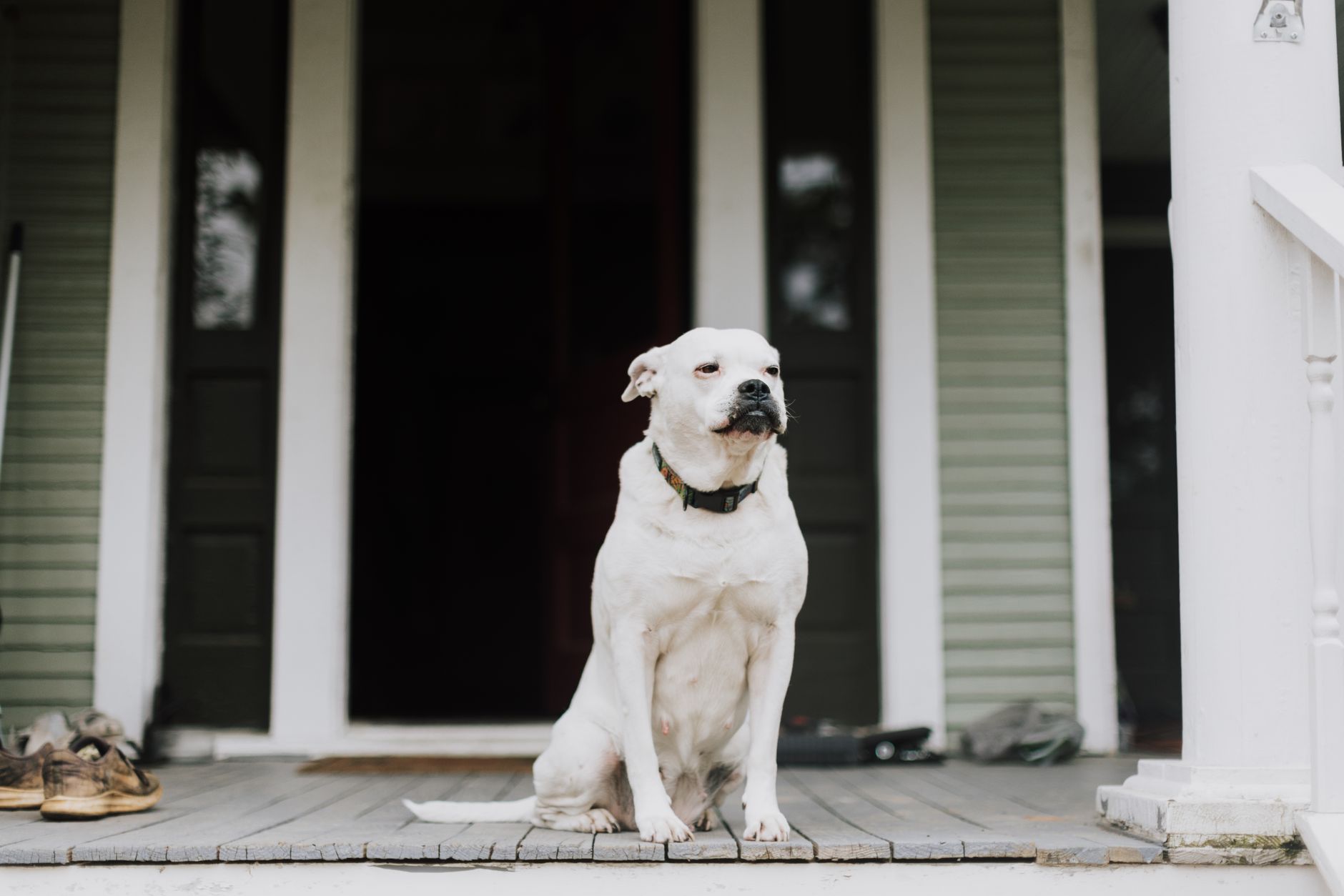
A dog barking when someone approaches the door is one of the most common household challenges. While this behavior can be useful as an alert system, repeated barking at visitors, delivery workers, or passing noises can become stressful for both the dog and the owner.
The most effective approach is not to completely eliminate barking, because vocal communication is a natural part of canine behavior. Instead, the goal is to teach the dog that hearing the doorbell, footsteps, or a knock does not automatically require an intense reaction.
Why dogs bark at the door
Door barking usually develops because the dog associates the entrance with excitement, uncertainty, or a perceived threat. Each time the dog rushes toward the door and barks, the behavior can become stronger because the visitor eventually appears, creating the impression that barking caused the person to leave or arrive.
Common reasons dogs bark at the door include:
- Territorial instincts: The dog believes it needs to protect its home and family.
- Excitement: Visitors represent attention, play, or new experiences.
- Fear or uncertainty: Unexpected sounds or unfamiliar people trigger a defensive response.
- Learned behavior: Barking has been rewarded through attention or interaction.
- Lack of impulse control: The dog has not learned how to remain calm during exciting situations.
Do not reward the barking response
Many dogs continue barking because the behavior produces a result. Owners may open the door, speak loudly, touch the dog, or attempt to calm it down. Although these actions are intended to help, the dog may interpret them as attention.
A better strategy is to reward the behavior you want to see. Calm sitting, moving away from the door, or waiting quietly should receive attention and positive reinforcement.
Teach an alternative routine for visitors
Dogs respond well to predictable routines. Instead of allowing the dog to create its own response when someone arrives, teach a specific behavior that replaces barking.
- Choose a simple command such as “place,” “sit,” or “stay.”
- Practice the command away from the door until the dog understands it.
- Introduce mild door-related triggers, such as a quiet knock or a soft doorbell sound.
- Reward the dog for remaining calm.
- Gradually increase the difficulty by introducing realistic visitor situations.
The purpose is to create a new association: the sound of the door means an opportunity to perform a calm behavior, not an instruction to bark.
Manage the environment while training
Training works best when the dog is not repeatedly practicing the unwanted behavior. Temporary management strategies can reduce opportunities for barking while new habits are being built.
| Situation | Helpful Management Approach |
|---|---|
| Dog reacts to people outside windows | Limit visual access and create a calmer resting area. |
| Doorbell triggers immediate barking | Practice with controlled doorbell sounds at a low intensity. |
| Dog rushes the entrance | Use barriers or distance training to prevent rehearsing the behavior. |
| Visitors increase excitement | Ask guests to ignore the dog until calm behavior appears. |
Practice calm behavior before real visitors arrive
A common mistake is waiting until an actual guest arrives before beginning training. At that moment, many dogs are already highly excited and unable to respond well.
Short daily practice sessions are usually more effective. Owners can simulate door situations by knocking softly, opening the door briefly, or walking toward the entrance while rewarding calm responses.
Provide enough exercise and mental stimulation
Dogs with excess energy often have more difficulty controlling their reactions. Appropriate exercise, enrichment activities, and training games can improve overall emotional regulation.
- Daily walks suitable for the dog’s age and health.
- Interactive toys that encourage problem-solving.
- Short obedience sessions throughout the week.
- Safe opportunities for exploration and socialization.
Avoid methods that increase fear or stress
Punishing a dog for barking at the door may stop the noise temporarily, but it does not necessarily change the emotion behind the behavior. For dogs barking because of fear or insecurity, harsh corrections can increase stress and make reactions worse.
Training should focus on teaching confidence, rewarding calm choices, and creating predictable responses to common household events.
When professional guidance may help
If door barking is accompanied by lunging, aggression, extreme fear, or difficulty calming down after the trigger disappears, professional support may be beneficial. A qualified trainer or veterinary behavior professional can help identify the cause and develop a safer training plan.
Building a calmer response over time
Stopping a dog from barking at the door requires repetition and patience. The goal is not to remove a dog’s natural ability to communicate, but to give the dog better control over its reactions.
With consistent training, appropriate rewards, and careful management of triggers, many dogs can learn that visitors and door sounds are normal parts of daily life rather than events that require constant barking.
“`