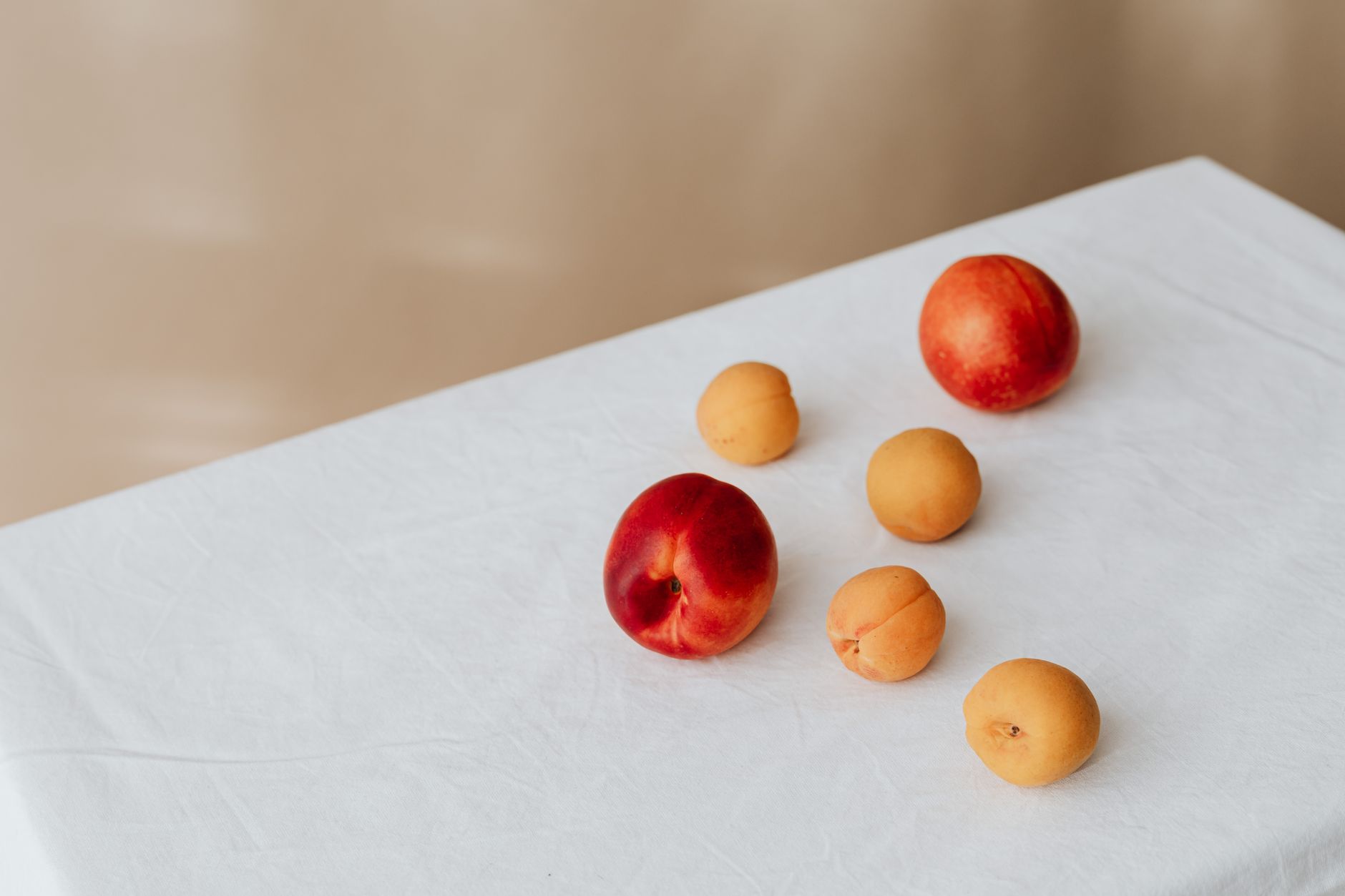
A ripe white peach can be tempting to share when a dog is watching closely during snack time. Its soft texture, sweet flavor, and juicy flesh make it seem like a harmless summer treat. But before offering a piece, dog owners need to understand that peaches come with both safe and unsafe parts.
The answer is yes, dogs can eat a small amount of white peach flesh when it is prepared correctly. However, the entire fruit is not safe. The pit, excess sugar, and improper preparation are the main reasons peaches require caution.
Like many fruits, white peaches can be an occasional treat, but they should never replace a balanced canine diet or become a regular part of a dog’s meals.
The peach flesh is not the main problem
The soft flesh of a ripe white peach is generally considered safe for most healthy dogs when given in moderation. It contains water, fiber, and natural nutrients that can contribute to variety in an otherwise balanced diet.
However, dogs do not require fruit to meet their nutritional needs. A complete dog food already provides the essential nutrients needed for daily health. Peaches are better viewed as a small reward rather than a meaningful dietary supplement.
The most important factor is preparation. A peeled, pit-free piece of peach is very different from allowing a dog to eat an entire peach that still contains the seed.
Why peach pits are dangerous for dogs
The peach pit is the biggest safety concern. It is hard, large, and difficult for dogs to digest. If swallowed, it can create several serious risks.
- Choking hazard: A peach pit can become lodged in the throat, especially in smaller dogs.
- Digestive blockage: If swallowed, the pit may become trapped in the digestive system and require veterinary treatment.
- Potential toxicity concerns: Peach pits contain naturally occurring compounds that can release harmful substances when damaged or consumed.
Dogs should never be given whole peaches to chew on. Even dogs that normally chew their food carefully may accidentally break or swallow part of the pit.
Can white peaches cause stomach problems?
Even when the pit is removed, too much white peach can upset a dog’s digestive system. Dogs are not adapted to eating large amounts of sugary fruit.
Excessive peach consumption may lead to:
- Diarrhea
- Gas
- Stomach discomfort
- Vomiting
- Changes in appetite
This is especially relevant for dogs with sensitive digestion, obesity concerns, or medical conditions affected by sugar intake.
Are white peaches healthier than regular peaches for dogs?
White peaches and yellow peaches are different varieties of the same fruit, mainly differing in flavor, acidity, and appearance. From a dog’s perspective, the safety considerations are essentially the same.
The important factors are not the peach variety but how the fruit is prepared and how much is consumed.
A small piece of either type can be acceptable for many healthy dogs, while the pit and excessive portions remain unsafe.
How to safely give white peach to a dog
If you decide to let your dog try white peach, preparation should always come first.
- Wash the peach thoroughly to remove dirt or surface residues.
- Remove the pit completely.
- Cut away any hard areas around the pit.
- Serve only small pieces of the flesh.
- Avoid adding sugar, syrup, cream, or other toppings.
Fresh fruit is the safest option. Canned peaches, peach desserts, and sweetened peach products are usually poor choices because they often contain added sugars and ingredients that dogs do not need.
What happens if a dog eats a peach pit?
Accidents can happen, especially when fruit is left unattended. If a dog swallows a peach pit, owners should not assume it will simply pass naturally.
The risk depends on factors such as the dog’s size, the size of the pit, and whether symptoms develop. Possible warning signs include:
- Repeated vomiting
- Loss of appetite
- Abdominal pain
- Lethargy
- Difficulty passing stool
- Unusual behavior
Veterinary advice is recommended if a pit has been swallowed, particularly for small dogs or dogs showing any symptoms.
Who should avoid giving peaches to their dog?
While many healthy dogs can tolerate a small amount of peach, some dogs are better off avoiding it.
- Dogs with diabetes or blood sugar concerns
- Dogs with a history of digestive sensitivity
- Dogs that tend to swallow food quickly
- Dogs with weight management problems
- Dogs with known food allergies
Individual tolerance matters. A food that works well as an occasional snack for one dog may cause problems for another.
Better fruit alternatives for regular treats
If owners want to include fruit as a reward, there are options that may be easier to manage. Small portions of fruits such as blueberries, strawberries, or seedless watermelon are often chosen because they have fewer preparation concerns.
Regardless of the fruit, moderation is the most important rule. Treats should support a dog’s overall lifestyle, not replace the nutrition provided by a balanced diet.
The final verdict: white peaches are safe only with careful preparation
Dogs can eat white peaches, but only the flesh and only in small amounts. The pit should never be offered, and the fruit should be treated as an occasional snack rather than an everyday food.
The safest approach is simple: remove the dangerous parts, control the portion, and consider whether the treat adds value to your dog’s health. A little piece of peach can be a pleasant experience, but responsible preparation is what keeps it safe.
“`