


Many dogs are naturally curious about what their owners are eating. Sharing a small amount of human food can be a way to provide variety, but not every ingredient that is safe for people is suitable f...

Wolves and dogs share many similarities, from their body structure and social behavior to their communication methods. This close relationship often leads people to ask whether a wolf is simply a wild...

If you’ve ever watched your cat yawn—really yawn—you may have caught yourself thinking: “That looks like more than one jaw… right?” From a pawrent’s point of...
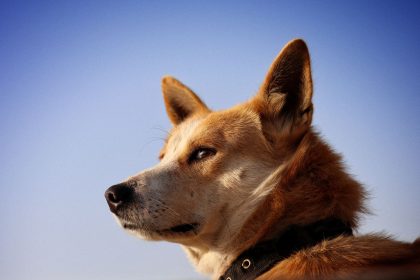
Every domestic dog, from a small apartment companion to a working farm dog, carries a history that began thousands of years ago. Dogs did not appear suddenly as pets; they developed through a long pro...

A wagging tail is one of the most recognizable behaviors in dogs, but it does not always mean a dog is happy. Tail movement is part of a complex communication system that combines body posture, facial...

Your cat’s eye is watery because of irritation, infection, allergies, blocked tear ducts, injury, or underlying illness. Occasional tearing can be harmless, but persistent or worsening watery ey...

When a cat purrs, it usually means the cat is communicating comfort, contentment, or a need for reassurance. However, purring does not always mean happiness. Cats also purr when stressed, scared, inju...

Cats wag their tails while lying down to communicate internal emotional states, process sensory input, regulate arousal, or signal irritation. Unlike dogs, tail movement in cats is rarely a sign of ha...

Dogs cannot explain when something hurts, which means owners often need to recognize small changes in behavior, movement, and daily habits. Pain in dogs is not always obvious. Some animals become quie...

A dog’s diet affects nearly every part of its health, from energy levels and digestion to weight management and long-term wellbeing. Although dogs often appear willing to eat almost anything, their nu...