
Fleas are more than a minor annoyance for cats. These tiny parasites can cause intense itching, skin irritation, allergic reactions, and discomfort, while a severe infestation may contribute to more s...

Cats’ fur grows the most during seasonal transitions, especially in spring and fall. These periods trigger coat changes driven by daylight length, hormones, age, nutrition, and breed. Kittens al...

Feeling your cat’s ears and noticing they seem warmer than usual can be surprising, but warm ears do not always mean something is wrong. A cat’s ear temperature can change naturally depending on activ...
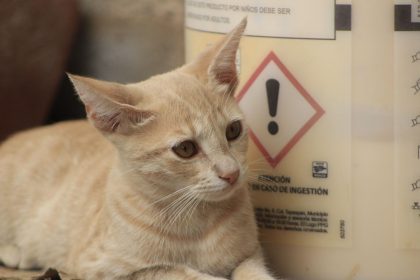
Mange is a skin condition that can make cats extremely uncomfortable, but many owners do not realise that it is caused by microscopic parasites rather than poor hygiene. These parasites affect the ski...

Cats are typically spayed between 4 and 6 months of age, ideally before their first heat cycle. This timing maximizes health benefits, prevents unintended pregnancy, and reduces the risk of reproducti...

Many cat owners notice that their pet’s ears feel warmer than expected and immediately wonder whether something is wrong. In most cases, warm cat ears are not automatically a sign of illness. A cat’s ...
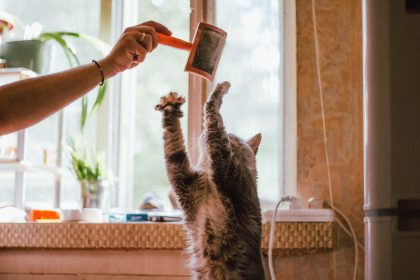
Cats may look fully grown long before they actually finish developing. A kitten that appears almost adult-sized after several months may still be gaining muscle, bone strength, and body maturity. Unde...

Cats open their mouth when they smell to trigger the flehmen response. This behavior directs scent molecules to the vomeronasal organ, allowing cats to analyze pheromones and chemical signals more acc...

Cats purr by rapidly contracting and relaxing muscles in their larynx, which causes vibrations in the vocal cords as air moves in and out of the lungs. This process is controlled by the brain and occu...
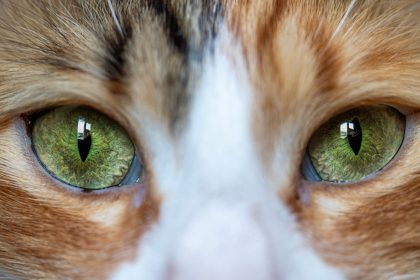
You look at your cat—and their eyes look huge. Black circles filling most of the eye. Wide, intense, almost glowing. From a pawrent’s point of view, dilated pupils can feel alarming. Are t...