
A cat’s teeth may look small compared with their claws or hunting instincts, but they play an important role in eating, grooming, and normal feline behavior. Understanding how many teeth cats have can...
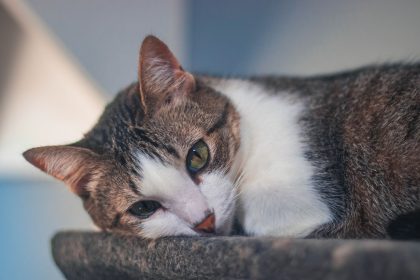
Hearing the term FIP can stop a pawrent in their tracks. From a pawrent’s point of view, it feels sudden and unfair—especially when a cat seemed healthy just weeks earlier. One of the firs...
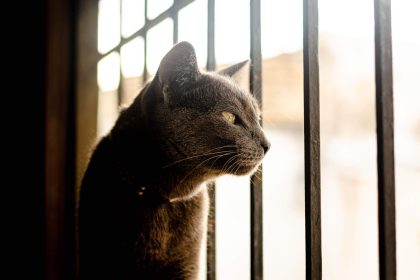
Cats slaver, also known as drooling, because of increased saliva production or difficulty swallowing. In some situations, slavering is harmless and linked to pleasure or excitement. In other cases, es...

Traveling with a cat requires more preparation than simply placing a carrier in the car and arriving at a destination. Hotels introduce unfamiliar smells, sounds, people, and spaces, all of which can ...
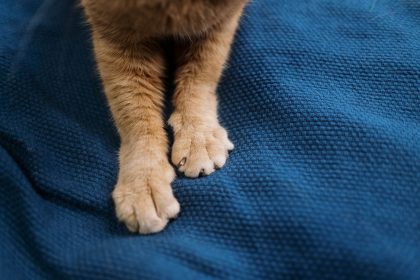
Cats knead blankets because the behavior is an instinct carried over from kittenhood. Kneading provides comfort, signals emotional security, and may also mark territory through scent glands in the paw...
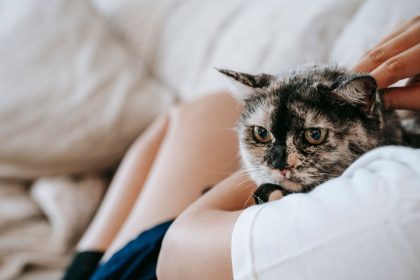
Many cat owners wonder whether they have waited too long to spay their pet. While veterinarians generally recommend spaying cats at an early age, an older cat can often still benefit from the procedur...

When a cat throws up undigested food, the most common cause is regurgitation, not true vomiting. Regurgitation occurs when food fails to reach the stomach and is expelled from the esophagus shortly af...
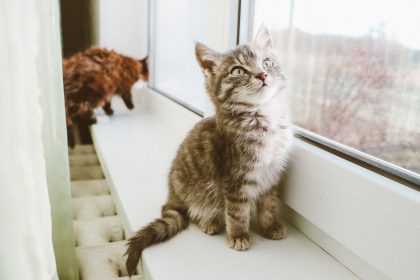
You can get cat pee smell out permanently only by breaking down the urine proteins with enzymatic cleaners and preventing repeat marking. Air fresheners, vinegar, and regular cleaners do not remove ca...
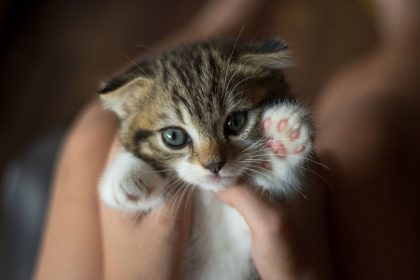
Cats purr to communicate comfort, soothe themselves, bond socially, and promote physical healing. While purring is often associated with happiness, cats also purr when stressed, injured, or unwell, ma...

Finding out your cat may have worms is unsettling. From a pawrent’s point of view, it raises immediate questions: Where did this come from? Did I do something wrong? Can it happen again? The mos...