The domesticated dog is one of the most remarkable examples of a long-term relationship between humans and another species. Dogs today live in homes, work alongside people, assist with medical and security tasks, and form emotional bonds with families around the world. However, the modern dog did not appear suddenly. Its history began thousands of years ago with a gradual process of adaptation between ancient humans and wolf populations.
Domestication changed both animals and humans. Early dogs gained protection, food opportunities, and a stable social environment, while humans gained hunting assistance, protection, and companionship. Over generations, natural selection and human influence shaped dogs into animals uniquely capable of understanding and cooperating with people.
What Does It Mean for a Dog to Be Domesticated?
A domesticated dog is a member of the species Canis lupus familiaris, which developed from ancient wolf ancestors through a process of domestication. Domestication is different from simply taming an individual animal. A tamed wolf may become comfortable around humans, but domestication involves genetic and behavioral changes that occur across many generations.
Domesticated dogs have inherited traits that make them better suited for living with humans. These traits include increased social behavior, greater tolerance of human interaction, and an ability to communicate with people. Dogs are not just wild animals that have learned to live near humans; they have biologically adapted to a human environment.
| Trait | How It Supports Domestication |
|---|---|
| Social behavior | Allows dogs to form strong relationships with humans and other animals. |
| Ability to read human cues | Helps dogs understand gestures, emotions, and commands. |
| Reduced fear of humans | Makes cooperation and close living possible. |
| Adaptability | Allows dogs to live in many environments and roles. |
When Were Dogs Domesticated?
The exact timing of dog domestication remains an area of scientific investigation. Evidence from archaeology and genetics suggests that dogs were domesticated at least tens of thousands of years ago, possibly before the development of agriculture. This means dogs may have lived alongside hunter-gatherer societies long before humans began keeping livestock or growing crops.
Scientists continue to study when and where domestication first occurred because the process was complex. Ancient dog populations likely came from wolf groups that interacted with humans in different regions, and multiple stages of domestication may have shaped modern dogs.
How Did Wolves Become Dogs?
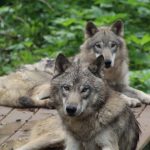
The transition from wolf to dog was not a single event where humans simply captured and trained wolves. Instead, it was likely a gradual relationship that developed over many generations. Some wolves may have approached human camps to take advantage of food scraps. The wolves that were less fearful and more comfortable around people may have had survival advantages.
Humans may have benefited from these early relationships because wolves possessed useful abilities. They could detect threats, track animals, and assist with hunting. Over time, humans and these increasingly cooperative wolves became dependent on each other.
Why Did Humans Domesticate Dogs?
The reasons behind dog domestication were likely practical as well as social. Early humans lived in environments where cooperation and awareness could determine survival. Animals with strong senses, hunting abilities, and protective instincts offered valuable advantages.
Some of the earliest roles of dogs may have included:
- Hunting assistance: Dogs could help track and locate prey.
- Protection: Dogs could alert humans to unfamiliar animals or people.
- Companionship: Social bonds between humans and dogs provided emotional benefits.
- Work support: Dogs eventually helped with herding, transportation, and specialized tasks.
The Biological Changes That Made Dogs Different From Wolves
Domestication influenced dogs both physically and behaviorally. Compared with their wolf ancestors, many dogs developed features associated with living closely alongside humans. These changes are often linked to a process called domestication syndrome, where selecting for reduced aggression and increased social tolerance can influence multiple traits.
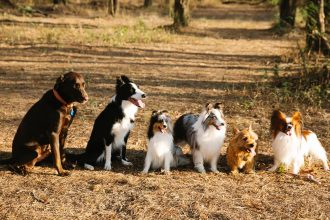
Domestic dogs vary widely in appearance because humans later selectively bred them for specific purposes. Size, coat type, body shape, and behavior were influenced by breeding choices. A Chihuahua and a Great Dane may look extremely different, but both belong to the same domesticated species.
How Dogs Learned to Understand Humans
One of the most important results of domestication is the dog’s ability to communicate with humans. Dogs are unusually skilled at interpreting human signals such as pointing, facial expressions, tone of voice, and routines. This ability helps them cooperate with people in ways that many other animals cannot.
This communication skill likely developed because dogs that worked effectively with humans received advantages such as food, protection, and social acceptance. Over many generations, dogs became increasingly specialized for life alongside people.
Domesticated Dogs Today
Modern dogs serve many roles beyond companionship. Some work as assistance animals for people with disabilities, while others support search and rescue operations, detection work, therapy programs, and livestock management. Their versatility comes from a combination of inherited traits, training ability, and their willingness to cooperate with humans.
However, domestication does not mean dogs no longer have natural instincts. Dogs still need appropriate exercise, mental stimulation, social interaction, and care that respects their biological needs. A domesticated dog is adapted to live with humans, but it remains an animal with its own behaviors and requirements.
The Continuing Evolution of the Human-Dog Relationship
The relationship between humans and dogs continues to change. While many ancient dogs were valued mainly for practical purposes, modern dogs are often considered family members. Advances in animal behavior research have also changed how people understand training, welfare, and responsible ownership.
The story of domesticated dogs is not only about humans changing animals. It is also about two species influencing each other over thousands of years. Humans shaped dogs through breeding and care, while dogs influenced human lifestyles, survival strategies, and emotional connections.
Conclusion
Dogs became domesticated through a long process of cooperation, adaptation, and mutual benefit between humans and ancient wolves. Their ability to live alongside people developed through evolutionary changes that made them more social, communicative, and comfortable in human environments.
A domesticated dog is more than a trained animal. It represents one of the deepest partnerships between humans and another species. From ancient hunting companions to modern family members, dogs continue to demonstrate how powerful cooperation between different species can become.
Frequently Asked Questions
Are dogs descendants of wolves?
Yes. Modern dogs evolved from ancient wolf populations, although scientists continue to study the exact path of domestication.
How long have dogs been domesticated?
Evidence suggests dogs have been domesticated for many thousands of years, with some research indicating the relationship began before agriculture.
What makes a dog domesticated?
A domesticated dog has inherited genetic and behavioral traits that allow it to live and cooperate closely with humans.
Can wolves become pets like dogs?
Individual wolves can sometimes become accustomed to humans, but they are not domesticated animals in the same way dogs are.
Why are dogs so good at understanding humans?
Thousands of years of living alongside humans selected for dogs that could communicate and cooperate effectively with people.