Dogs are often better equipped than humans to handle changes in temperature, but that does not mean they are immune to cold weather. A thick coat, natural insulation, and behavioral adaptations help many dogs stay comfortable, yet individual factors such as size, age, breed, health, and environment determine how well a dog can tolerate low temperatures.
Recognizing when a dog is cold is not always obvious. Some dogs simply seek a warmer place, while others show physical signs that require immediate attention. Understanding these signals helps prevent discomfort, frostbite, and potentially dangerous hypothermia. :contentReference[oaicite:0]{index=0}
Cold tolerance is different for every dog
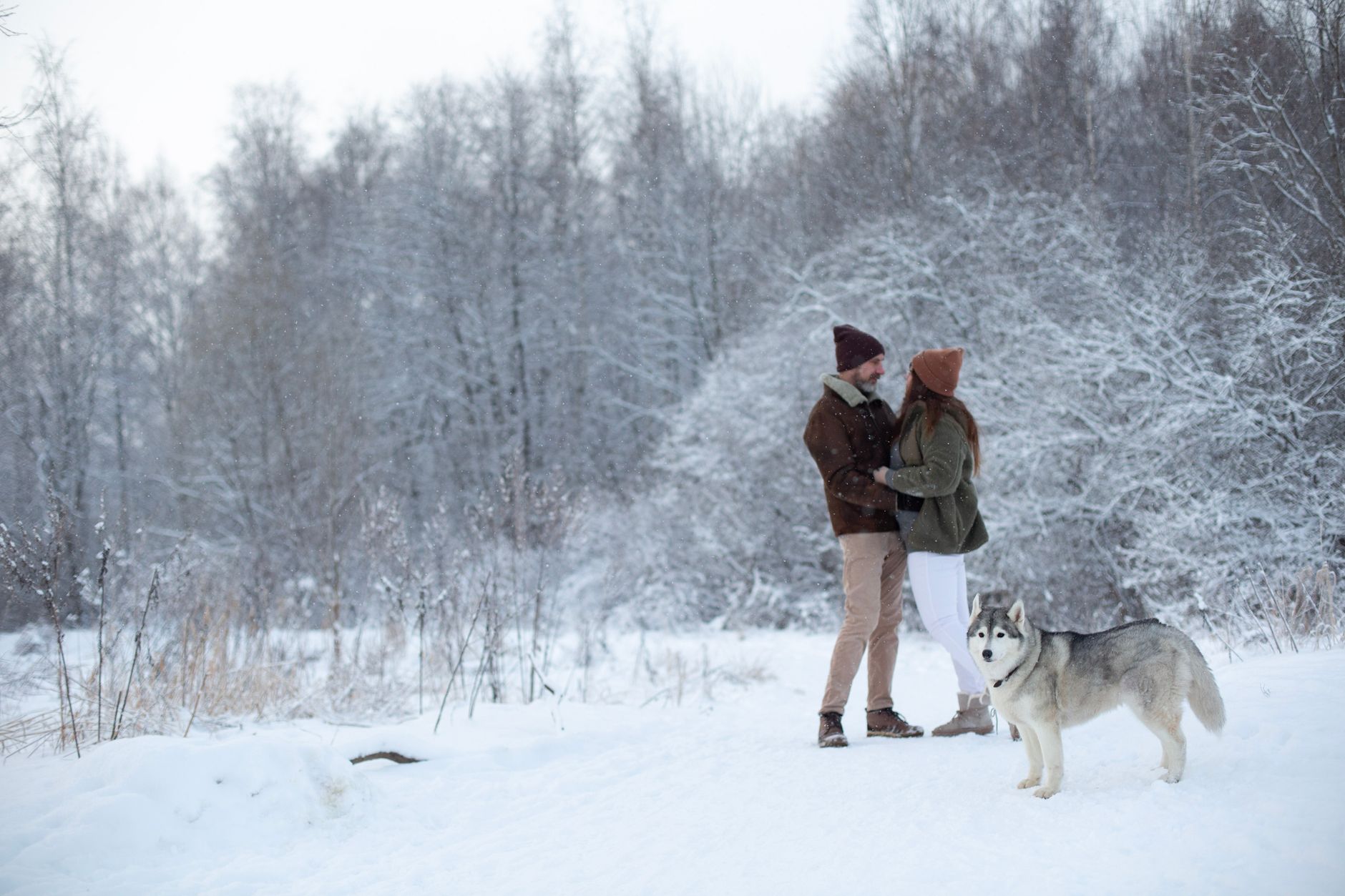
There is no single temperature that is considered safe or unsafe for every dog. A Siberian Husky and a short-haired Chihuahua may experience the same weather very differently. Coat type, body size, activity level, and previous exposure to cold all influence a dog’s ability to maintain body heat.
| Dogs more vulnerable to cold | Why they are at higher risk |
|---|---|
| Puppies | They have less developed temperature regulation and smaller body reserves. |
| Senior dogs | Age-related changes can reduce their ability to maintain body heat. |
| Small breeds | Their bodies lose heat faster because of their smaller size. |
| Short-coated dogs | They have less natural insulation against cold air and wind. |
| Thin or sick dogs | Lower body condition or illness can affect temperature control. |
Dogs that are not accustomed to cold climates may also struggle during sudden weather changes, even if they belong to a breed that can normally tolerate cooler conditions. :contentReference[oaicite:1]{index=1}
The most common signs that your dog is cold
Dogs communicate discomfort through body language before a serious problem develops. Paying attention to small changes can help you respond early.
- Shivering: Trembling is one of the most recognizable signs that a dog is trying to generate heat.
- Seeking warmth: A cold dog may move toward blankets, heaters, sunny areas, or your body heat.
- Lifting paws: Cold surfaces, ice, or snow can make walking uncomfortable.
- Reluctance to move: A dog may slow down or refuse to continue a walk.
- Hunched posture: Curling the body and tucking the tail helps reduce heat loss.
- Whining or anxiety: Some dogs vocalize when they feel uncomfortable.
Other warning signs include weakness, confusion, shallow breathing, reduced responsiveness, or collapse. These may indicate hypothermia rather than simple discomfort and require veterinary attention. :contentReference[oaicite:2]{index=2}
How to check whether your dog is uncomfortable in cold weather
Owners sometimes rely on assumptions, such as checking a dog’s nose or ears alone. These methods are unreliable because external body parts can feel cool while the dog’s internal temperature remains normal. The better approach is to observe behavior and the overall situation.
- Consider the weather conditions, including wind, rain, snow, and humidity.
- Observe whether your dog is acting differently from normal.
- Check for physical signs such as trembling, stiffness, or reluctance to walk.
- Move your dog to a warm area if discomfort appears.
A dog’s normal body temperature is higher than a human’s, generally around 100.5 to 102.5 degrees Fahrenheit. Measuring temperature accurately requires an appropriate pet thermometer and should be done carefully. :contentReference[oaicite:3]{index=3}
What to do if your dog is cold
The first response is simple: reduce exposure. Bring the dog indoors or move them to a dry, protected location. Cold temperatures become more dangerous when combined with wet fur, wind, or prolonged exposure.
- Dry wet fur with towels.
- Provide warm blankets or a comfortable resting area.
- Allow gradual warming rather than sudden extreme heat.
- Monitor behavior and energy levels after warming.
Avoid using very hot heating devices directly against a dog’s skin because cold tissue can be more vulnerable to burns. Severe symptoms should be treated as an emergency. :contentReference[oaicite:4]{index=4}
When a dog may need extra protection
Some dogs benefit from additional layers during cold weather, especially small breeds, thin-coated dogs, elderly dogs, and animals with health problems. A properly fitted sweater or jacket can provide additional insulation during outdoor activities.
However, clothing is not a replacement for limiting exposure. A jacket does not make a dog immune to freezing temperatures, wet conditions, or wind. Dogs still need access to warmth and shelter. :contentReference[oaicite:5]{index=5}
Cold weather risks beyond feeling uncomfortable
Extended cold exposure can lead to two serious conditions: hypothermia and frostbite.
Hypothermia
Hypothermia occurs when a dog’s body temperature drops below a safe level. Early signs may include shivering and reduced activity. More severe cases can involve confusion, slowed breathing, weakness, loss of coordination, and unconsciousness. :contentReference[oaicite:6]{index=6}
Frostbite
Frostbite most commonly affects areas with less protection, including ear tips, paws, and the end of the tail. Cold, wet, or windy conditions increase the risk. Damaged tissue may not appear severe immediately, so veterinary evaluation is important when frostbite is suspected. :contentReference[oaicite:7]{index=7}
How to prevent your dog from getting too cold
- Provide a warm indoor resting area.
- Avoid leaving dogs outside for long periods during severe cold.
- Keep coats dry because wet fur loses insulating ability.
- Use protective gear when appropriate for the individual dog.
- Check paws after walks on ice, snow, or treated surfaces.
- Adjust exercise routines during extreme weather.
Outdoor access is important for many dogs, but comfort and safety should determine how long they remain outside. A dog that wants to return indoors is communicating a need, not simply being difficult.
The practical answer: watch the dog, not just the thermometer
Temperature alone does not determine whether a dog is comfortable. A combination of weather conditions and the dog’s individual characteristics matters more than any universal rule.
The most reliable indicator is your dog’s behavior. Shivering, hesitation, seeking warmth, or unusual weakness are signals that deserve attention. Good cold-weather care is not about preventing every outdoor experience. It is about recognizing limits and responding before a manageable situation becomes a medical emergency.