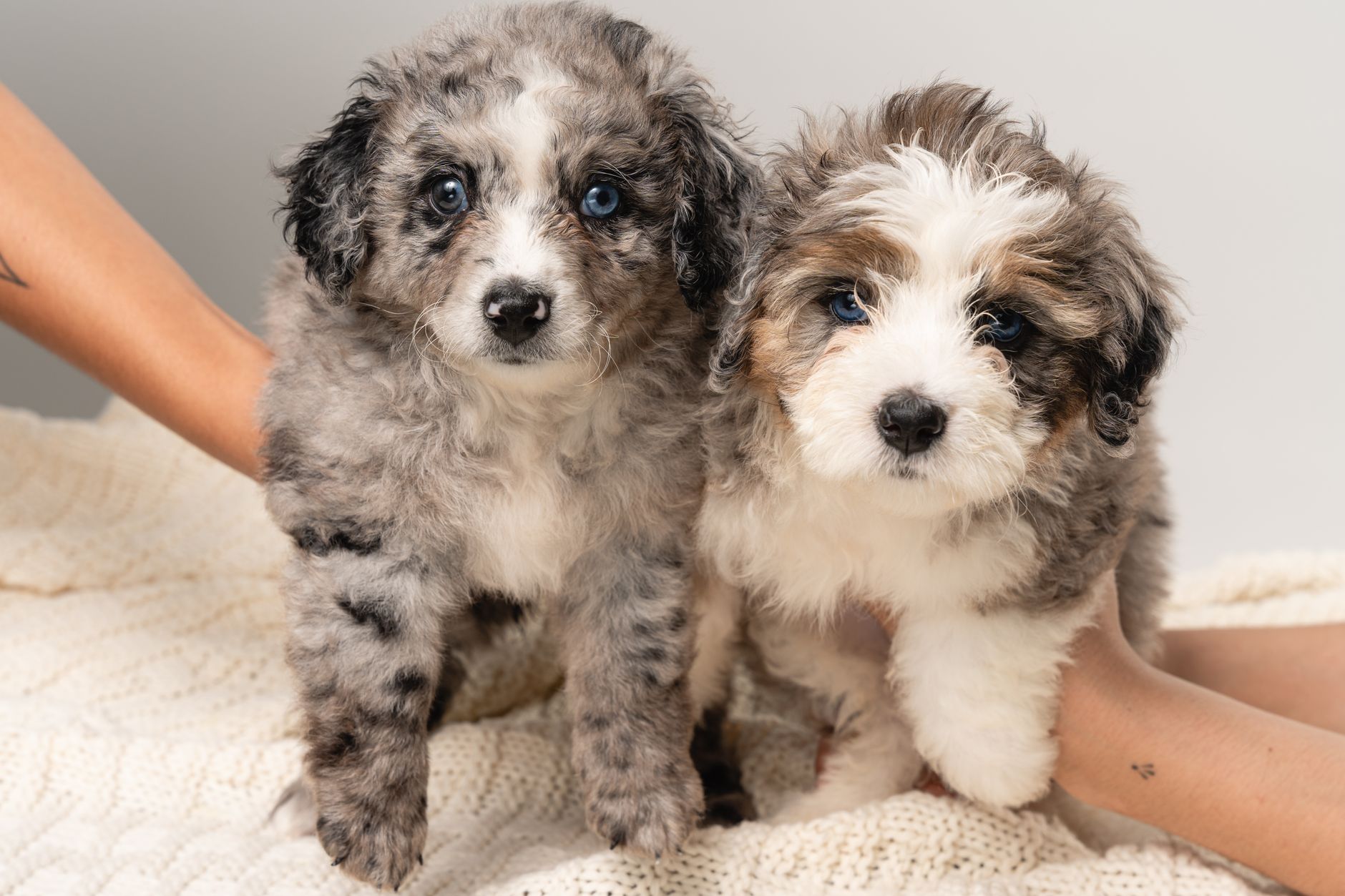
Bringing home a puppy is not only about choosing a name and buying a few toys. A young dog enters a completely new environment and needs the right supplies, routines, and care systems to support healthy development.
The first months of a puppy’s life are a critical period for learning, socialization, nutrition, and building habits. Preparing before arrival helps reduce stress for both the puppy and the owner while creating a safer foundation for the relationship.
The basic supplies every puppy needs
A puppy’s needs can be divided into several categories: safety, nutrition, hygiene, training, health care, and comfort. The exact items depend on the puppy’s breed, size, age, and lifestyle, but some essentials apply to almost every dog.
| Category | Essential items | Purpose |
|---|---|---|
| Food and water | Puppy food, food bowl, water bowl | Provides appropriate nutrition and hydration during growth |
| Safety | Collar, identification tag, leash, secure home environment | Helps prevent accidents and supports safe outings |
| Rest | Bed, crate, blankets | Creates a comfortable sleeping and settling area |
| Training | Treats, toys, training tools | Supports learning and positive behavior development |
| Grooming | Brush, nail tools, puppy-safe cleaning products | Maintains hygiene and helps puppies become comfortable with handling |
Nutrition is the foundation of puppy development
Puppies grow quickly, which means their nutritional requirements differ from adult dogs. A complete puppy diet should provide appropriate levels of protein, fat, vitamins, and minerals needed for growth.
Owners should choose food designed for puppies rather than assuming any dog food is suitable. Large-breed puppies, in particular, may have different nutritional requirements because excessive growth can affect bone and joint development.
Fresh water should always be available. Feeding schedules also help puppies develop predictable routines and make house training easier.
A safe home environment matters from day one
Puppies explore with curiosity and often use their mouths to investigate objects. A home that appears safe to humans may contain hazards for a young dog.
- Remove access to electrical cords and small objects that can be swallowed.
- Store cleaning products, medications, and chemicals securely.
- Keep harmful foods and toxic plants away from reach.
- Create a quiet area where the puppy can rest without constant disturbance.
Preparing the environment before the puppy arrives prevents many avoidable problems. Humans, apparently, need reminders that tiny animals will enthusiastically test every unsafe object within reach. Nature gave puppies curiosity and gave owners the responsibility of hiding the dangerous things.
Training tools are more important than expensive equipment
Many new owners focus on buying accessories but underestimate the importance of consistent training. A puppy needs clear communication, repetition, and rewards for desired behavior.
Useful training supplies include:
- Small treats for rewarding good behavior.
- Durable chew toys to redirect natural chewing habits.
- A leash and collar or harness for controlled walks.
- Puppy pads or cleaning supplies during house training.
Training should be based on positive reinforcement. Punishment-based methods can increase fear and make learning more difficult.
Health care should begin early
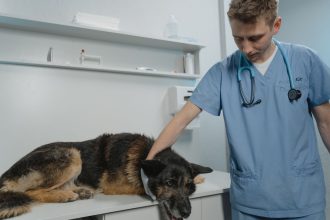
A veterinary visit is an important part of responsible puppy ownership. Puppies typically need health assessments, vaccination planning, parasite prevention, and guidance about nutrition and development.
Owners should also prepare for routine care such as:
- Regular veterinary checkups.
- Vaccinations according to veterinary recommendations.
- Parasite prevention.
- Dental care.
- Grooming and nail maintenance.
Early health care helps identify problems before they become harder or more expensive to manage.
Puppies need socialization, not just supplies
Equipment can make life easier, but experiences shape a puppy’s behavior. Young dogs need safe exposure to different people, environments, sounds, and situations.
Good socialization helps puppies become more confident and better prepared for everyday life. However, exposure should be gradual and appropriate for the puppy’s health status, especially before vaccinations are complete.
Choosing the right items for your puppy
Not every puppy needs the same products. A small companion breed, an active working breed, and a large growing dog may require different equipment.
- Consider size: Toys, beds, collars, and crates should fit the puppy safely.
- Consider energy level: Active puppies may need more enrichment and durable toys.
- Consider coat type: Grooming needs vary significantly between breeds.
- Consider lifestyle: Apartment living and rural environments create different challenges.
The real preparation is building a routine
A puppy does not only need objects. It needs structure, patience, supervision, and time. Food bowls and toys are easy to purchase, but teaching a young dog how to live comfortably in a human household requires daily commitment.
The best preparation combines practical supplies with responsible care habits. A well-prepared owner gives a puppy the security needed to grow into a healthy, confident adult dog.